

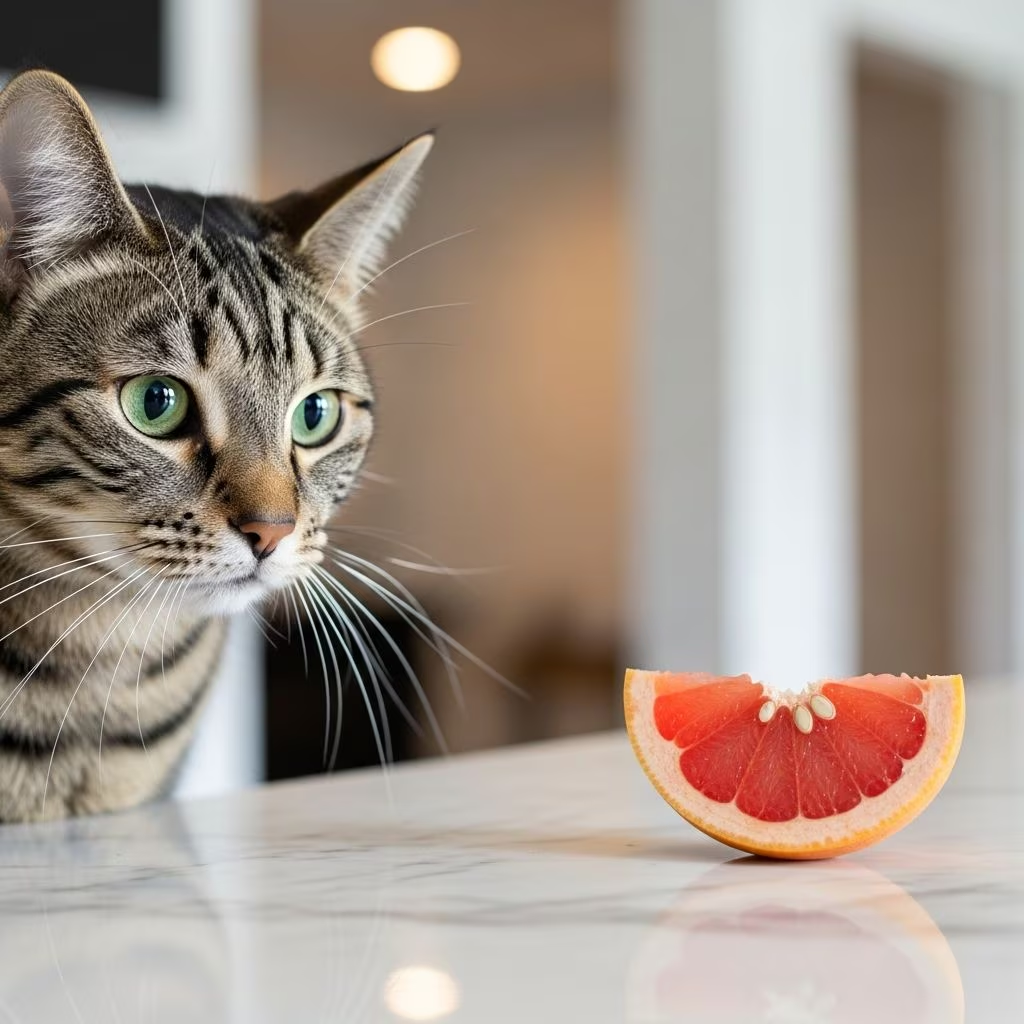
Cats should never eat grapefruit because most parts of this fruit are toxic, and even the flesh can cause stomach upset due to its high acidity. While cats can enjoy some fruits as occasional treats, grapefruit poses serious health risks from compounds like psoralens and essential oils, as noted by veterinary sources including the ASPCA.
In this comprehensive guide, we explain why cats can’t eat grapefruit, the symptoms of poisoning, safe and unsafe fruits for felines, and essential steps for prevention and response. Understanding these risks helps keep your cat healthy and happy.
Why Can’t Cats Eat Grapefruit?
Grapefruit (Citrus paradisi) is a popular citrus fruit for humans, packed with vitamin C and antioxidants. However, it’s dangerous for cats, who are obligate carnivores with digestive systems designed for meat-based diets, not plant matter or acidic fruits.
The primary toxins are psoralens and essential oils, concentrated in the peel, seeds, and plant material. These compounds are toxic to cats, dogs, and horses, potentially causing vomiting, diarrhea, depression, dermatitis, and photosensitivity (increased sensitivity to sunlight). The ASPCA confirms that while the fruit flesh may be edible in theory, the fibrous material around the pulp is problematic, and overall exposure can lead to severe issues or even fatality if enough is ingested.
Psoralens interfere with liver enzymes, hindering toxin processing and leading to buildup in the body. Essential oils irritate the gastrointestinal tract and skin upon contact or ingestion. Even the juicy flesh is highly acidic, which can upset a cat’s sensitive stomach, causing discomfort unrelated to outright toxicity.
Cats typically avoid citrus due to its strong smell, which overwhelms their sensitive noses. This natural aversion is protective, but curious or food-motivated cats might still nibble if accessible.
Which Parts of Grapefruit Are Toxic to Cats?
All parts of the grapefruit carry risks, but toxicity levels vary:
- Peel and Rind: Highest concentration of essential oils and psoralens; causes severe irritation, dermatitis, and GI upset.
- Seeds: Contain psoralens; can cause blockages or toxicity if swallowed.
- Juice and Flesh: Acidic and fibrous; leads to vomiting, diarrhea, though less toxic than peel. No safe amount exists.
- Leaves and Plant: Toxic if chewed, per ASPCA listings.
Even grapefruit oil or scented products can be absorbed through the skin, triggering symptoms without ingestion.
Symptoms of Grapefruit Poisoning in Cats
If your cat consumes grapefruit, symptoms can appear within hours. Monitor closely for these signs of toxicity:
- Vomiting (often the first sign)
- Diarrhea or loose stools
- Excessive drooling or salivation
- Lethargy, weakness, or depression
- Skin irritation, redness, or dermatitis (especially from oils)
- Photosensitivity (sunburn-like reactions)
- Tremors, difficulty breathing, or seizures in severe cases
Symptoms’ severity depends on amount ingested, cat’s size, age, and health. Small cats or those with liver issues face higher risks. Untreated cases can lead to dehydration, liver damage, or death.
What Should You Do If Your Cat Eats Grapefruit?
Act immediately if you suspect ingestion:
- Remove Access: Take away all grapefruit remnants to prevent more intake.
- Assess Symptoms: Note any vomiting, lethargy, or other signs.
- Contact a Vet: Call your veterinarian or an emergency clinic right away—even if no symptoms show, as they can develop later. Provide details on amount and time ingested.
- Do Not Induce Vomiting: This can worsen irritation without professional guidance.
- Follow Vet Advice: Treatment may include activated charcoal, IV fluids, anti-nausea meds, or skin treatments.
Early intervention is crucial; prognosis is good with prompt care.
How Much Grapefruit Is Toxic to Cats?
There is no safe amount. Even tiny pieces can cause GI upset due to acidity and compounds. Factors like cat size influence effects—a nibble might mildly sicken a large adult but severely impact a kitten. Veterinary consensus: Avoid entirely.
Are Other Citrus Fruits Safe for Cats?
No—most citrus is toxic. Avoid:
- Oranges, lemons, limes (citric acid, essential oils cause similar symptoms)
- Lemons/lime peels especially hazardous.
Cats dislike citrus smells, aiding deterrence.
Other Toxic Foods for Cats to Avoid
Beyond grapefruit, steer clear of:
| Food | Risks |
|---|---|
| Chocolate, caffeine | Heart issues, seizures |
| Onions, garlic | Anemia |
| Grapes/raisins | Kidney failure |
| Xylitol | Hypoglycemia |
| Alcohol, raw dough | Toxicity, bloat |
Stick to vet-approved diets.
Safe Fruits and Treats for Cats
Offer these in tiny amounts (<10% daily calories) as occasional treats:
- Blueberries: Antioxidants, low calorie.
- Strawberries: Vitamin C; chop small.
- Bananas: Potassium; mash a bit.
- Apples: Peeled, seeded, diced—no core.
- Watermelon: Seedless rind removed; hydrating.
Always introduce gradually; prioritize commercial cat food.
How to Prevent Grapefruit Exposure
Keep your cat safe with these tips:
- Store fruits securely out of reach.
- Secure trash bins—no peels.
- Avoid citrus cleaners or oils near cats.
- Supervise multi-pet homes.
- Educate household members.
Final Thoughts
Grapefruit offers no benefits to cats and carries substantial risks from toxicity and acidity. Opt for cat-safe treats and a balanced meat-based diet. If exposure occurs, seek vet care promptly. Your vigilance ensures a long, healthy life for your feline companion.
Frequently Asked Questions (FAQs)
Q: Can a small amount of grapefruit harm my cat?
A: Yes, even tiny amounts can cause vomiting or diarrhea. Avoid completely.
Q: Are other citrus fruits safe for cats?
A: No, oranges, lemons, limes are also toxic due to similar compounds.
Q: My cat ate grapefruit but seems fine. Should I call the vet?
A: Yes, symptoms may be delayed. Consult a professional immediately.
Q: Why do cats hate citrus smells?
A: The strong scent overwhelms their sensitive olfactory system, naturally deterring them.
Q: What are the best safe fruits for cats?
A: Blueberries, strawberries, and small pieces of banana or apple (prepared safely).
References
- Can Cats Eat Grapefruit? Safe or Toxic for Cats? — Dial A Vet. 2023. https://www.dialavet.com/blog/can-cats-eat-grapefruit
- Can Cats Eat Grapefruit? Vet-Verified Facts — Huston Veterinary Clinic. 2023. https://hustonveterinary.com/can-cats-eat-grapefruit/
- Can Cats Eat Grapefruit? Vet Approved Health Guide & FAQ — Catster / ASPCA. 2023. https://www.catster.com/nutrition/can-cats-eat-grapefruit/
- Grapefruit Poisoning in Cats – Symptoms, Causes — WagWalking. 2023. https://wagwalking.com/cat/condition/grapefruit-poisoning
- Grapefruit – Toxic and Non-toxic Plants — ASPCA Poison Control. 2023-10-15. https://www.aspca.org/pet-care/aspca-poison-control/toxic-and-non-toxic-plants/grapefruit
- What Can Cats Not Eat? 13 Types of Toxic Foods — Chewy. 2023. https://www.chewy.com/education/cat/food-and-nutrition/what-can-cats-not-eat



