

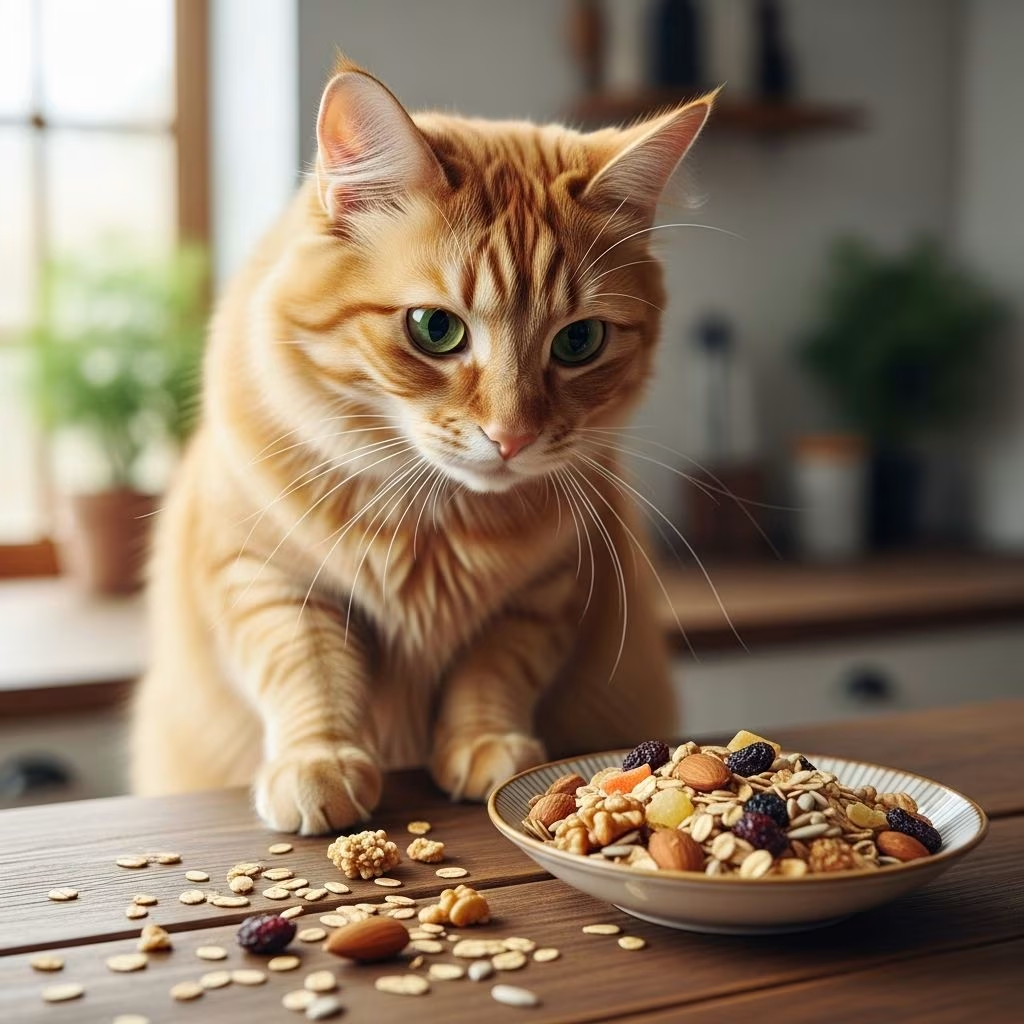
Granola offers humans a convenient, crunchy snack packed with oats, nuts, and sweetness, but for cats, it’s not an ideal treat. While plain granola isn’t inherently toxic, its high carbohydrate content, sugars, and potential additives like raisins, chocolate, or xylitol make it risky for felines. Cats are obligate carnivores requiring primarily animal-based proteins, not grains or fruits. Small, occasional nibbles of plain granola may not harm most cats, but regular feeding can lead to digestive issues, obesity, or nutrient deficiencies. Always check ingredients and consult a vet for personalized advice.
Is Granola Safe for Cats?
Plain granola, primarily made from rolled oats, is generally safe in tiny amounts but not recommended as a staple. Cats lack the enzymes to efficiently digest grains, leading to slower digestion and potential malnutrition if overfed. Veterinary sources emphasize that while a few bites won’t cause immediate harm, granola provides empty calories with little nutritional value for cats. High sugar levels can spike blood glucose and strain the pancreas, while excess carbs contribute to weight gain. Opt for cat-specific treats to avoid these pitfalls.
- Key Safety Note: Avoid granola entirely if it contains toxic ingredients.
- Limit to very small portions (e.g., a single oat cluster) as an absolute maximum.
- Monitor for vomiting, diarrhea, or lethargy post-consumption.
The Dangers of Feeding Cats Granola
Granola’s base ingredients—oats and rice—are hard for cats to process, causing gastrointestinal upset like diarrhea or constipation over time. Its caloric density promotes obesity, a common issue in indoor cats. More critically, added sweeteners and flavors introduce toxins. Sugar elevates insulin risks, particularly in diabetic-prone cats, while fats overload their systems without benefits. Long-term, this grain-heavy snack displaces essential proteins, leading to taurine deficiency and heart issues.
Nutritional Mismatch for Cats
Granola boasts fiber and antioxidants for humans but offers negligible benefits to cats, who derive no evolutionary advantage from grains. A typical serving contains 20-30g carbs per 50g, far exceeding a cat’s daily needs (under 10% of diet). Vets note this imbalance strains digestion, as felines produce limited amylase for carb breakdown.
| Nutrient | Granola (per 50g) | Cat Daily Needs (Adult 4kg) |
|---|---|---|
| Carbs | 25-35g | <10g |
| Protein | 5-10g | 20-30g |
| Fat | 10-15g | 5-10g |
| Sugar | 10-20g | Minimal |
This table highlights why granola disrupts feline balance: excess carbs and sugars dwarf required proteins.
Problematic Ingredients in Granola
Beyond oats, granola often includes hazards. Scan labels rigorously—many varieties pack hidden dangers.
Dairy Products
Milk, yogurt, or cheese clusters appear in creamy granolas. Most cats are lactose-intolerant, lacking lactase to digest milk sugar, resulting in gas, bloating, diarrhea, and dehydration. Even ‘safe’ dairy overwhelms immature or senior cats’ systems.
Honey and Sweeteners
Honey, a common binder, ferments in the gut, causing vomiting, lethargy, and diarrhea. Artificial sweeteners like xylitol (in sugar-free types) trigger insulin surges, hypoglycemia, liver failure—even death in small doses. Honey’s botulism risk affects kittens under one year.
Toxic Fruits: Raisins, Grapes, and More
Dried fruits like raisins or grapes cause acute kidney failure, even in tiny quantities. Symptoms include vomiting within hours, progressing to lethargy and uremia. Blueberries or strawberries are safer but still unnecessary, offering fiber cats can’t utilize fully. Plums or currants pose similar stone-fruit risks.
Chocolate and Nuts
Chocolate chips contain theobromine, sparking hyperactivity, seizures, or cardiac arrest. Macadamia nuts induce weakness and tremors; others risk choking or pancreatitis from high fat.
- Safe Add-ins (Rare): Plain pumpkin seeds or a few blueberries—in moderation.
- Red Flags: Anything dried fruit, chocolate, or nut-heavy.
What Should Cats Eat Instead?
Cats thrive on meat-centric diets: 40-50% protein, 20-30% fat, minimal carbs. Commercial kibble or wet food meets AAFCO standards, providing taurine, arachidonic acid, and pre-formed vitamins absent in plants.
- High animal protein (chicken, fish, beef).
- Vitamins A, D, B-complex from meat/liver.
- Minerals like calcium, phosphorus in balanced ratios.
- Moderate ‘good’ fats for energy/skin health.
- Limited carbs from veggies if any.
Avoid milk; offer lactose-free ‘cat milk’ sparingly. Hydration via wet food prevents urinary issues.
Healthier Treat Alternatives for Cats
Ditch granola for feline-approved options that bond without harm.
- Commercial Cat Treats: Freeze-dried meat bits (e.g., chicken liver) under 10% daily calories.
- Plain Cooked Meats: Boiled chicken, turkey (no seasoning/skin).
- Fish: Salmon or tuna in water, sparingly to avoid mercury buildup.
- Veggies: Steamed broccoli, cucumber slices for crunch.
- DIY Oat Option: Plain oats soaked in water—mimics granola texture safely.
- Cat Grass/Oat Grass: Encourages nibbling, aids digestion/hairballs.
These provide protein bursts or fiber without sugars/carbs. Use puzzle feeders for mental stimulation.
What If Your Cat Eats Granola?
Don’t panic for small amounts of plain granola—watch 24-48 hours for symptoms: vomiting, diarrhea, appetite loss, or odd behavior. Induce vomiting only if vet-advised (hydrogen peroxide risks aspiration). For toxic ingredients:
- Raisins/Grapes: Rush to vet; fluids/monitoring prevent kidney failure.
- Chocolate/Xylitol: Activated charcoal, bloodwork essential.
- Any Distress: Call poison hotline (e.g., ASPCA at 888-426-4435) or ER vet.
Prevent access: store in sealed containers, distract with toys during meals.
Cat Nutritional Requirements
Obligate carnivores need prey-like nutrition: high bioavailable protein for muscle/repair, fats for membranes/energy, trace carbs incidental. Deficiencies cause dilated cardiomyopathy (taurine-lack), blindness (vitamin A), or obesity/diabetes from carb excess. Kittens/seniors/pregnants demand tailored profiles—consult vets for blood panels.
Frequently Asked Questions (FAQs)
Can cats eat plain granola?
Yes, in tiny amounts occasionally, but it’s not nutritious and hard to digest. Skip for health.
Is granola toxic to cats?
Not plain oats, but additives like raisins, chocolate, or xylitol are highly toxic.
What happens if a cat eats granola with raisins?
Risk of kidney failure; seek immediate veterinary care.
Are oats safe for cats?
Plain cooked oats are okay sparingly, but not a dietary focus.
Why is my cat begging for my granola?
Curiosity, scent, or texture; redirect to cat treats to curb habit.
Final Thoughts
While tempting to share granola’s crunch, prioritize your cat’s carnivorous needs. Risks from poor digestibility, toxins, and obesity outweigh rare treats’ joy. Choose protein-rich alternatives for a healthier, happier feline. Regular vet checkups ensure optimal nutrition—your cat thanks you with purrs and play.
References
- Can Cats Eat Granola? Vet-Reviewed Nutritional Facts & Safety Guide — Hepper. 2023. https://articles.hepper.com/can-cats-eat-granola/
- Can Cats Eat Granola Bars? Vet-Reviewed Health Facts & FAQ — Catster. 2023. https://www.catster.com/nutrition/can-cats-eat-granola-bars/
- Can Cats Eat Granola? Vet-Verified Nutritional Facts & Advice — Catster. 2023. https://www.catster.com/nutrition/can-cats-eat-granola/
- 15 Human Foods You Shouldn’t Give to Your Cat — Preventive Vet. 2024-01-14. https://www.preventivevet.com/cats/human-foods-you-should-not-give-to-your-cat
- Granola Toxicity for Cats — What Did My Cat Eat. 2023. https://whatdidmycateat.com/granola



