

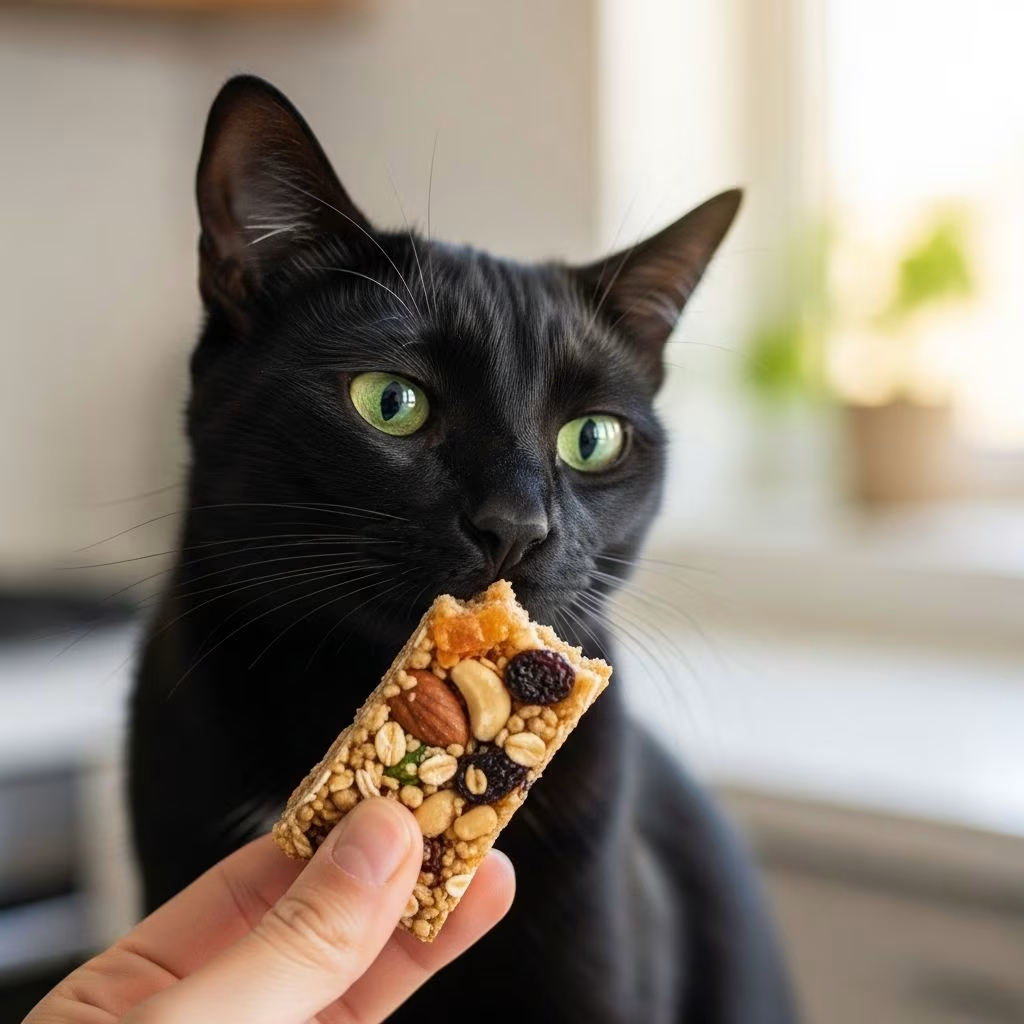
Granola bars are a convenient, tasty snack for humans, packed with oats, nuts, and sweetness that provide quick energy during hikes or busy days. However, when your curious cat eyes your snack and begs for a bite, it’s crucial to pause. Cats are obligate carnivores with unique nutritional needs that differ vastly from ours. Sharing human foods like granola bars might seem harmless, but they can lead to serious health issues.Cats should not eat granola bars because they offer empty calories, high sugar and fat content, and often contain toxic ingredients like chocolate or raisins.
In this comprehensive guide, we’ll break down the ingredients in granola bars, why they’re problematic for cats, what happens if your cat sneaks a piece, and safer treat alternatives. Backed by veterinary insights, this article helps you keep your feline friend healthy and happy.
The Trouble with Granola Bars
At first glance, granola bars appear wholesome, primarily made from rolled oats, which are not inherently toxic to cats in small amounts. Oats provide fiber that can aid digestion in moderation. The real problems arise from the additives that make granola bars appealing to humans: sugars, fats, flavorings, and mix-ins.
- High Sugar Content: Many bars contain added sugars like honey, corn syrup, or chocolate chips. Cats lack the physiological need for sugars and can’t process them efficiently, leading to blood sugar spikes, insulin surges, and potential diabetes risk over time.
- Excessive Fats: A single bar can pack 7 grams or more of fat from nuts, oils, or chocolate. While cats need moderate fats (about 20-30% of their diet), excess leads to obesity, pancreatitis, and hepatic lipidosis (fatty liver disease).
- Empty Calories: Granola bars deliver calories without essential nutrients like taurine, an amino acid critical for heart and eye health in cats. Regular treats like these contribute to weight gain without nutritional value.
- Toxic Additives: Common inclusions like chocolate (containing theobromine), raisins (linked to kidney failure), xylitol (causes hypoglycemia), and certain nuts pose immediate dangers.
Even “healthy” varieties marketed as low-sugar or organic often hide problematic ingredients. A small nibble might not cause instant harm, but habitual sharing disrupts your cat’s balanced diet.
Cat Nutritional Requirements
To understand why granola bars are unsuitable, consider a cat’s dietary blueprint. As obligate carnivores, cats evolved to thrive on meat-based diets. Their bodies prioritize protein for muscle maintenance, energy, and enzymes.
| Nutrient | Recommended % in Cat Diet (Adult Maintenance) | Role | Granola Bar Contribution |
|---|---|---|---|
| Protein | 26-40% | Muscle repair, energy, taurine source | Low (mostly plant-based, incomplete) |
| Fat | 9-20% | Energy, fat-soluble vitamins | Excessive, unbalanced |
| Carbohydrates | <10% (minimal) | Not essential; cats lack enzymes to digest well | High from oats/sugars |
| Taurine | 0.1-0.2% | Heart, vision, reproduction | None |
Commercial cat foods meet AAFCO standards, ensuring balanced nutrition. Human snacks like granola bars ignore these needs, potentially causing deficiencies or excesses. Kittens, seniors, and cats with conditions like diabetes require even stricter adherence.
Are There Any Safe Ingredients in Granola Bars for Cats?
Not all components are villains. Plain oats are digestible in tiny amounts and may provide gut fiber. However, finding a granola bar without extras is rare. Always scrutinize labels:
- Safe (in micro-doses): Oats, plain puffed rice.
- Risky: Nuts (choking hazard, high fat), honey (upsets stomach), dairy (lactose intolerance causes diarrhea).
- Toxic: Chocolate, raisins/grapes, xylitol, onions/garlic in flavored varieties.
Even safe ingredients become problematic due to concentration and lack of feline-specific formulation.
Potential Health Risks if Cats Eat Granola Bars
If your cat devours a granola bar, effects vary by size, amount, and ingredients. Immediate risks include:
- Gastrointestinal Upset: Vomiting, diarrhea from fiber, sugar, or fat overload.
- Toxicity Symptoms: Chocolate causes hyperactivity, tremors, seizures; raisins lead to kidney failure; xylitol triggers hypoglycemia (lethargy, weakness, collapse).
- Long-Term Issues: Obesity, diabetes, pancreatitis from repeated exposure.
Monitor for 24-48 hours: lethargy, reduced appetite, tremors, or unusual thirst/urination warrant immediate vet care. Induce vomiting only under professional guidance.
What Should You Do if Your Cat Ate a Granola Bar?
Don’t panic, but act swiftly:
- Identify Ingredients: Check the wrapper for toxins.
- Assess Amount: A tiny crumb is less concerning than a whole bar.
- Monitor Closely: Offer water; watch for symptoms like vomiting, diarrhea, lethargy.
- Contact Vet: Call your veterinarian or pet poison hotline (e.g., ASPCA at 888-426-4435) if toxins are present. Provide details for tailored advice.
- Prevent Future Access: Store snacks securely.
Early intervention prevents escalation. Vets may recommend activated charcoal, fluids, or monitoring.
Healthier Alternatives: Safe Treats for Cats
Skip granola bars; opt for vet-approved options that align with feline nutrition:
- Commercial Cat Treats: Low-calorie, high-protein formulas with taurine.
- Plain Cooked Meat: Chicken, turkey, fish (no seasoning).
- Veggies: Small bits of cucumber, steamed broccoli for hydration/fiber.
- Cat-Safe Fruits: Blueberries, pumpkin puree (sparingly).
- DIY Options: Freeze-dried meat or tuna flakes in water.
Limit treats to 10% of daily calories. Engage with play or grooming for bonding without food.
Conclusion
Granola bars tempt with their crunch and sweetness, but they’re no match for a cat’s precise nutritional demands. Loaded with sugars, fats, and potential toxins, they risk more harm than good. Prioritize complete cat foods and occasional safe treats to support longevity and vitality. If your cat has munched on one, monitor diligently and consult a vet. Your furry companion deserves snacks that nourish, not jeopardize, their health.
Frequently Asked Questions (FAQs)
What ingredients in granola bars are toxic to cats?
Chocolate (theobromine), raisins/grapes (kidney damage), xylitol (hypoglycemia), and onions/garlic are highly toxic. Even small amounts can cause severe illness.
Is a small piece of granola bar harmful to my cat?
A tiny nibble of plain granola might cause mild upset, but check for toxins. Monitor for symptoms and contact a vet if concerned.
Can cats eat plain oats from granola bars?
Plain oats are safe in very small amounts but offer no nutritional benefit and can cause digestive issues if overfed.
What symptoms indicate my cat needs a vet after eating a granola bar?
Watch for vomiting, diarrhea, lethargy, tremors, rapid breathing, or collapse. Seek immediate care for any signs.
Are there any granola bars safe for cats?
No commercial granola bar is formulated for cats. Avoid entirely; choose cat-specific products instead.
References
- Is it safe for my cat to eat a granola bar? — Dial A Vet. 2023. https://www.dialavet.com/vet-answers/cat-ate-granola-bar-36946
- Can Cats Eat Granola Bars? Vet-Reviewed Health Facts & FAQ — Catster. 2024-10-15. https://www.catster.com/nutrition/can-cats-eat-granola-bars/
- 15 Human Foods You Shouldn’t Give to Your Cat — Preventive Vet. 2023-05-20. https://www.preventivevet.com/cats/human-foods-you-should-not-give-to-your-cat
- Can Cats Eat Granola? Vet-Reviewed Nutritional Facts & Safety Guide — Hepper. 2024. https://articles.hepper.com/can-cats-eat-granola/
- Common Household Items Can Be Toxic to Pets — Turner Vet. 2024-01-10. https://www.turnervet.com/blog?article_id=common-household-items-can-be-toxic-to-pets-heres-what-you-need-to-know



