

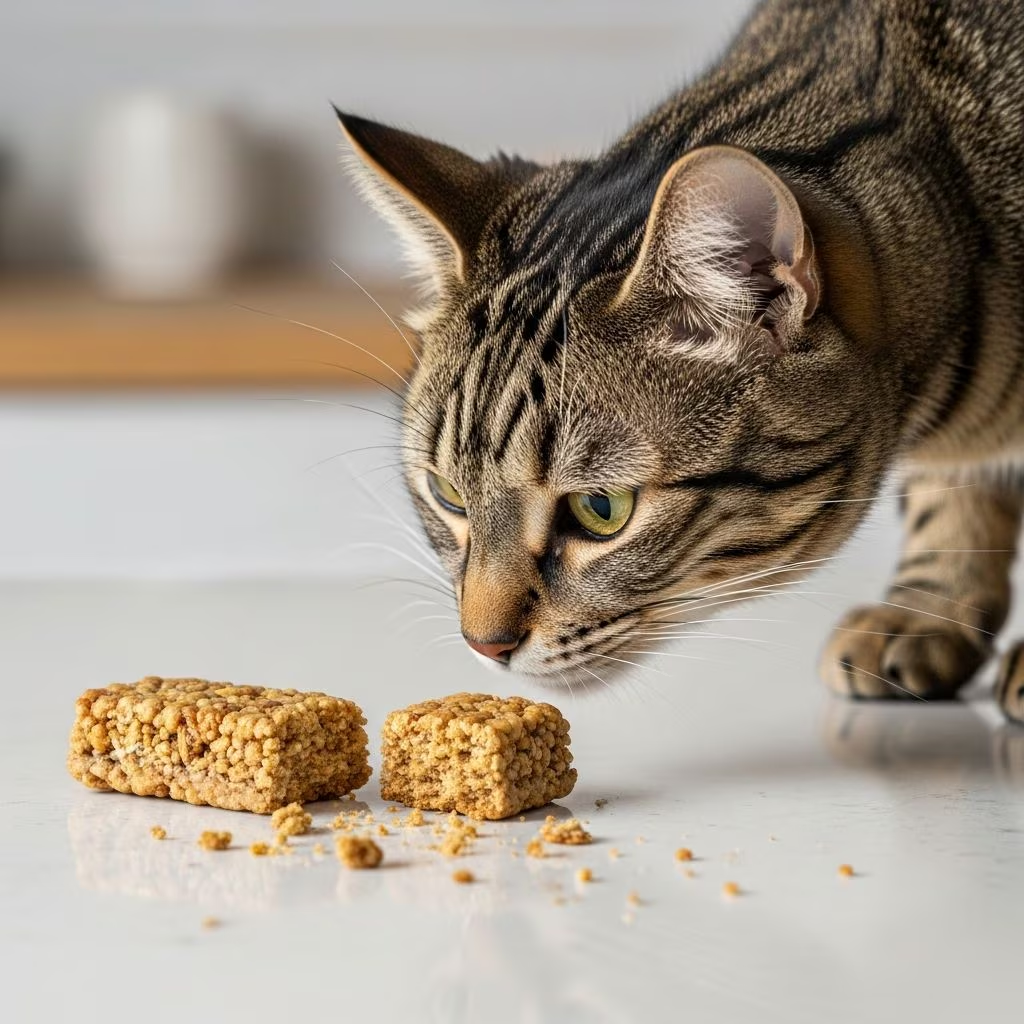
Granola bars are a convenient, tasty snack for humans, packed with oats, nuts, and sweetness that provide quick energy during hikes or busy days. However, when your curious cat eyes your snack and begs for a bite, it’s natural to wonder: can cats eat granola bars? The short answer is no—cats shouldn’t eat granola bars. While plain oats are safe in small amounts, most granola bars contain high sugar, fats, and potentially toxic ingredients like chocolate or raisins that pose serious health risks to felines.
This comprehensive guide, informed by veterinary insights, breaks down why granola bars are problematic for cats, details feline nutritional needs, highlights dangers from specific ingredients, and offers safer treat alternatives. Whether your cat swiped a piece or you’re considering sharing, understanding these facts helps keep your pet healthy and happy.
The Trouble with Granola Bars
Granola bars seem wholesome at first glance, primarily made from oats, but their processed nature makes them unsuitable for cats. Oats alone are not harmful and can even provide some fiber, but the additives turn them into an unhealthy choice. Key issues include:
- High Sugar Content: Many bars contain added sugars or sweeteners exceeding what a cat’s obligate carnivore metabolism can handle, leading to blood sugar spikes, insulin imbalances, and long-term risks like diabetes.
- Excessive Fats: A single bar can pack 7 grams or more of fat, contributing empty calories that promote obesity, a common issue in indoor cats linked to joint problems, diabetes, and heart disease.
- Lack of Nutrients: Unlike balanced cat food, granola bars offer no essential proteins, taurine, or vitamins cats require, making them ’empty calories’ with zero nutritional value for felines.
- Toxic Additives: Common inclusions like chocolate, raisins, xylitol, or certain nuts can cause poisoning, from mild stomach upset to life-threatening conditions.
Even ‘healthy’ varieties marketed as low-sugar often hide artificial sweeteners or high-fructose corn syrup, exacerbating digestive woes. Cats lack the enzymes to efficiently process grains and carbs, leading to bloating, diarrhea, or constipation if overconsumed. In essence, what fuels human adventures burdens a cat’s delicate system.
Cat Nutritional Requirements
To grasp why granola bars fall short, consider a cat’s unique dietary needs. As obligate carnivores, cats evolved to thrive on meat, not grains or sweets. Their ideal diet features:
- High Protein (30-40%+): From animal sources for muscle maintenance, essential amino acids like taurine (preventing heart disease and blindness), and energy.
- Moderate Fats (15-20%): For skin health, energy, and absorption of fat-soluble vitamins, but excess leads to pancreatitis or obesity.
- Limited Carbohydrates (<10%): Cats inefficiently digest carbs due to low amylase enzyme levels; too many strain the pancreas and promote weight gain.
- Vitamins & Minerals: Including A, D, E, B-complex, calcium, phosphorus—deficiencies cause issues like weak bones or poor immunity.
Commercial cat foods meet Association of American Feed Control Officials (AAFCO) standards, ensuring balance regardless of price. Human snacks like granola bars ignore these ratios, offering carbs and sugars instead of protein. Age matters too: kittens need more protein/fat for growth, seniors less fat to combat obesity, but all benefit from meat-centric meals. Deviating risks malnutrition, even if no immediate toxicity occurs.
Potential Dangers of Ingredients in Granola Bars
Beyond calories, specific ingredients spell trouble. Here’s a breakdown:
| Ingredient | Risk to Cats | Symptoms |
|---|---|---|
| Chocolate | Toxic (theobromine/methylxanthines) | Vomiting, diarrhea, rapid heart rate, tremors, seizures |
| Raisins/Grapes | Acute kidney failure | Lethargy, vomiting, reduced urine output |
| Xylitol | Hypoglycemia, liver failure | Weakness, seizures, collapse |
| Nuts (e.g., macadamia, walnuts) | Choking hazard, GI upset, pancreatitis | Vomiting, tremors, high body temp |
| Dairy/Honey | Lactose intolerance, digestive upset | Diarrhea, gas, lethargy |
Even ‘safe’ bars with berries might include toxic grapes. A tiny nibble may pass unnoticed, but cumulative effects or sensitive cats amplify risks. Always check labels and err on caution.
What to Do If Your Cat Eats a Granola Bar
Accidents happen—don’t panic, but act swiftly:
- Identify Ingredients: Review the wrapper for chocolate, raisins, xylitol, etc.
- Monitor Symptoms: Watch 24-48 hours for vomiting, diarrhea, lethargy, tremors, loss of appetite, or odd behavior.
- Provide Water: Encourage hydration to aid fiber passage and prevent dehydration.
- Contact Vet: Call immediately if toxics present or symptoms appear. Provide bar details, amount eaten, cat’s weight/age. Induce vomiting only under vet guidance.
Small amounts sans toxics often cause mild upset resolving in a day, but professional advice ensures safety, especially for kittens, seniors, or health-compromised cats.
Healthier Alternatives: Safe Treats for Cats
Skip granola—opt for vet-approved options providing nutrition without risks:
- Commercial Cat Treats: Low-cal, high-protein varieties mimicking meat flavors.
- Plain Cooked Meat: Chicken, turkey, fish (no seasoning/oil)—tiny portions delight carnivores.
- Veggies: Steamed broccoli, green beans for fiber/crunch (cats enjoy sparingly).
- Oat Grass: Safe oat sprouts for nibbling, aiding digestion/hairballs.
- Feline-Specific Milk: Lactose-free options in moderation.
Treats should comprise <10% daily calories. Pair with play/grooming for bonding sans food.
Frequently Asked Questions (FAQs)
Can cats eat plain granola without additives?
Plain oats are safe in tiny amounts as an occasional treat but offer no benefits and can cause digestive issues if overfed. Avoid regular use.
Is a small piece of granola bar harmful?
If no toxics, likely just upset stomach. Monitor and consult vet if concerned.
What are signs of chocolate poisoning in cats?
Vomiting, diarrhea, restlessness, rapid breathing, seizures—seek emergency care.
Why can’t cats have raisins?
They cause kidney failure even in small quantities; mechanism unknown but proven toxic.
Are there any granola bars safe for cats?
No—variability in ingredients makes none reliably safe. Choose cat-specific treats.
Granola bars aren’t worth the risk. Prioritize your cat’s carnivorous needs with balanced nutrition and safe indulgences for a long, healthy life.
References
- Is it safe for my cat to eat a granola bar? — Dial A Vet. 2023. https://www.dialavet.com/vet-answers/cat-ate-granola-bar-36946
- Can Cats Eat Granola Bars? Vet-Reviewed Health Facts & FAQ — Catster. 2024. https://www.catster.com/nutrition/can-cats-eat-granola-bars/
- Can Cats Eat Granola? Vet-Reviewed Nutritional Facts & Safety Guide — Hepper. 2024. https://articles.hepper.com/can-cats-eat-granola/
- Can Cats Eat Granola? Vet-Verified Nutritional Facts & Advice — Catster. 2024. https://www.catster.com/nutrition/can-cats-eat-granola/
- Common Household Items Can Be Toxic to Pets — Turner Vet. 2023. https://www.turnervet.com/blog?article_id=common-household-items-can-be-toxic-to-pets-heres-what-you-need-to-know



