

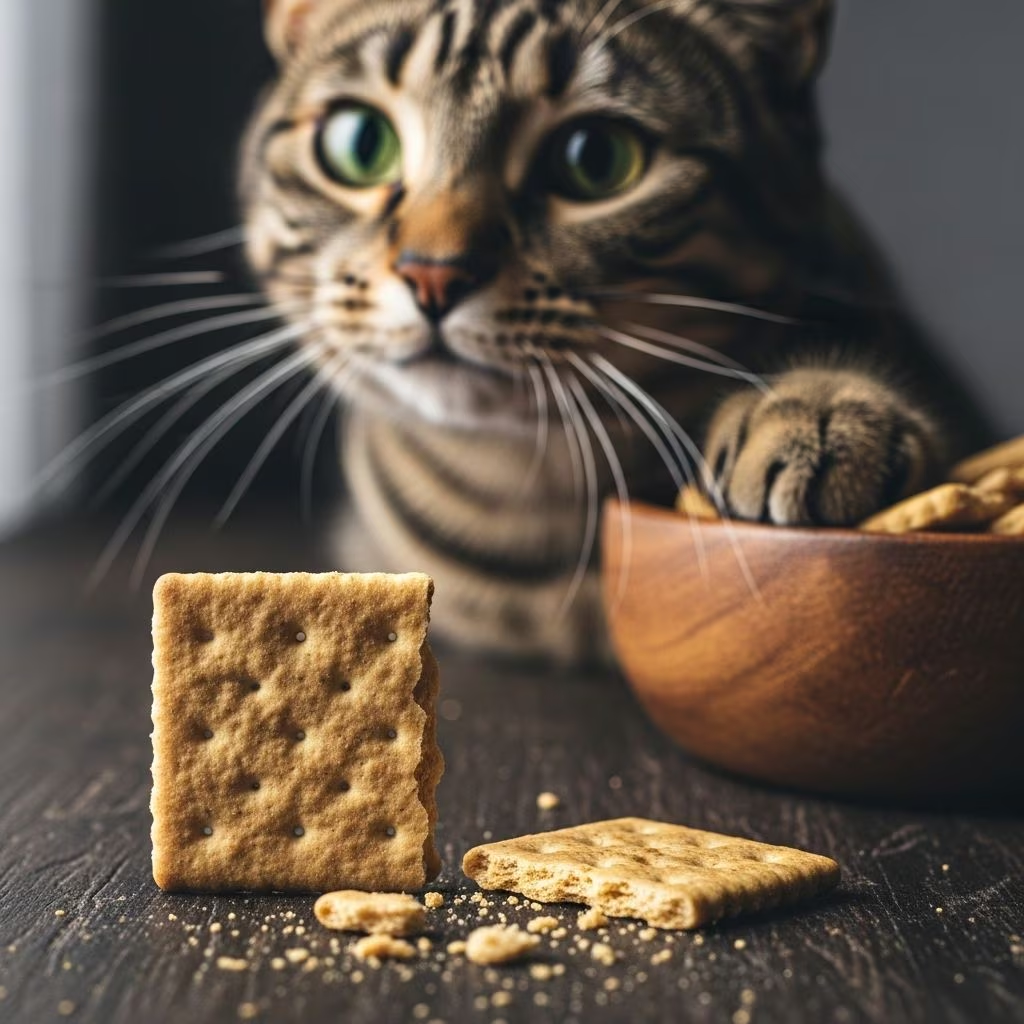
Graham crackers are a popular human snack made from whole wheat flour, sweetened with sugar or honey, and often flavored with cinnamon. While they may seem harmless, cats are obligate carnivores with dietary needs centered on high-protein, low-carbohydrate foods. Plain graham crackers are not toxic to cats in small amounts, but they offer no nutritional value and can lead to health issues if fed regularly.
This article examines the ingredients in graham crackers, their safety for cats, potential risks, what to do if your cat eats them, and better treat alternatives. Understanding these factors helps cat owners make informed choices to support their pet’s health and longevity.
What Are Graham Crackers?
Graham crackers originated in the 19th century as a health food invented by Sylvester Graham, made from coarsely ground whole wheat flour. Today, commercial versions typically include:
- Whole wheat or enriched flour for structure and carbohydrates.
- Sugar, honey, or molasses for sweetness.
- Canola oil or palm oil for crispiness.
- Cinnamon or other spices for flavor.
- Baking soda, salt, and sometimes preservatives.
These ingredients create a crunchy, sweet treat appealing to humans but mismatched for feline digestion. Cats lack enzymes to efficiently break down carbohydrates and cannot taste sweetness due to missing sweet taste receptors, so their interest in graham crackers often stems from fat content or novelty rather than flavor.
Can Cats Eat Graham Crackers?
Plain graham crackers are not acutely toxic to cats, according to sources like the ASPCA, which lists honey and cinnamon as non-toxic in small quantities. A tiny crumb—less than half a cracker per week—is unlikely to harm most healthy cats. However, they provide zero nutritional benefits tailored to feline needs, which prioritize animal-based proteins and fats.
Cats are obligate carnivores, meaning their metabolism is optimized for meat, not grains or sugars. Regular consumption can disrupt this balance, leading to unnecessary health risks. Flavored varieties, such as chocolate-coated graham crackers, are dangerous due to theobromine in chocolate, which is toxic and can cause vomiting, seizures, or death.
The Dangers of Graham Crackers for Cats
Despite not being outright poisonous, graham crackers pose several risks due to their composition:
- High Carbohydrates: Flour-based crackers are carb-heavy (around 70-80% of calories from carbs), which cats cannot digest well, causing bloating, gas, vomiting, or diarrhea.
- Sugar and Honey: These contribute empty calories, promoting obesity, diabetes, and tooth decay. Honey’s high fructose can upset stomachs if overconsumed.
- Salt Content: Added sodium increases thirst and risks dehydration or kidney strain, especially in seniors or cats with renal issues.
- Fats and Oils: While fats appeal to cats, processed oils lack essential nutrients and can lead to pancreatitis if excessive.
- Allergens or Additives: Cinnamon may irritate sensitive cats; artificial sweeteners like xylitol in some brands are deadly.
Long-term, these snacks displace nutrient-dense cat food, fostering begging habits and nutritional deficiencies. A table summarizing key nutritional mismatches:
| Nutrient in Graham Crackers | Amount per Serving (approx. 8 crackers) | Impact on Cats |
|---|---|---|
| Carbohydrates | 22g | Digestive upset; unnecessary for carnivores |
| Sugars | 8g | Obesity, diabetes risk |
| Sodium | 200mg | Kidney strain, dehydration |
| Protein | 2g | Insufficient; cats need 30-40% protein |
| Fat | 3g | Imbalanced; potential GI issues |
Data adapted from typical nutrition labels; cats require diets with minimal carbs (<10%).
What to Do If Your Cat Eats Graham Crackers
Accidental ingestion of a small piece rarely requires intervention. Monitor for 24-48 hours for symptoms like:
- Vomiting or diarrhea.
- Lethargy or loss of appetite.
- Excessive thirst or urination.
- Tremors (if toxic additives present).
Encourage water intake to aid digestion. Withhold food briefly if upset occurs, then resume normal diet. Contact a vet immediately if large amounts were eaten, symptoms persist, or chocolate/xylitol is involved—these can cause rapid toxicity. Prevent future incidents by storing snacks securely and distracting curious cats with toys.
Are There Any Benefits to Graham Crackers for Cats?
No meaningful benefits exist. Graham crackers lack taurine (essential for heart and eye health), arachidonic acid (for skin/coat), and other cat-specific nutrients. Any ‘fiber’ from wheat is irrelevant and potentially harmful in excess. Cats derive no energy advantage from carbs, as they inefficiently convert them to glucose compared to proteins/fats.
Healthier Alternatives to Graham Crackers
Opt for treats comprising 10% or less of daily calories, focusing on protein. Safe options include:
- Commercial Cat Treats: Freeze-dried meat or fish varieties (e.g., chicken, salmon).
- Homemade: Plain cooked chicken, turkey, or fish (no seasoning).
- Veggies: Small pieces of cucumber or steamed broccoli for hydration/fiber (in moderation).
- Dental Treats: Vet-approved chews reducing plaque without sugars.
A sample treat rotation table:
| Treat Type | Portion Size | Frequency | Benefits |
|---|---|---|---|
| Freeze-dried chicken | 1-2 pieces | Daily | High protein, low carb |
| Cooked plain turkey | 1 tsp | 2-3x/week | Lean protein boost |
| Commercial dental treat | As labeled | Daily | Oral health |
| Cucumber slice | Thin slice | Occasional | Hydration |
Always introduce new treats gradually to avoid allergies.
Graham Cracker Nutrition Facts for Cats
A standard serving (8 crackers, ~30g) delivers about 140 calories, mostly from carbs/sugars—far exceeding a cat’s treat allowance (5-10 calories/day for a 10lb cat). This imbalance risks weight gain; a 5lb cat needs ~200 total daily calories, making even one cracker disproportionate.
FAQs
Are graham crackers toxic to cats?
Plain graham crackers are not toxic but can cause digestive issues due to sugar and carbs. Chocolate varieties are highly toxic.
How much graham cracker can I give my cat?
Limit to a tiny crumb occasionally (e.g., 1/4 cracker/week max); better to avoid entirely.
What if my cat ate a whole graham cracker?
Watch for vomiting/diarrhea; offer water and call vet if symptoms appear or if flavored/toxic ingredients present.
Why don’t cats need carbs like in graham crackers?
As obligate carnivores, cats thrive on protein/fat; carbs provide no essential value and strain digestion.
What are the best treats for cats instead of graham crackers?
Protein-rich options like cooked meat or vet-formulated treats support health without risks.
References
- ASPCA Animal Poison Control – Non-Toxic Plants and Foods — ASPCA. 2023-01-15. https://www.aspca.org/pet-care/animal-poison-control/toxic-and-non-toxic-plants
- Nutrient Requirements of Cats — National Research Council (National Academies Press). 2022-06-01. https://nap.nationalacademies.org/catalog/11766/nutrient-requirements-of-dogs-and-cats
- Chocolate Toxicity in Cats — Merck Veterinary Manual. 2024-05-20. https://www.merckvetmanual.com/toxicology/food-hazards/chocolate
- Feline Nutrition Guidelines — American Association of Feline Practitioners. 2023-11-10. https://catvets.com/public/PDFs/PracticeGuidelines/FelineNutritionGuidelines.pdf
- Xylitol Poisoning in Cats — Pet Poison Helpline (via FDA). 2024-02-14. https://www.fda.gov/animal-veterinary/animal-health-literacy/get-facts-about-xylitol-toxicity-pets



