

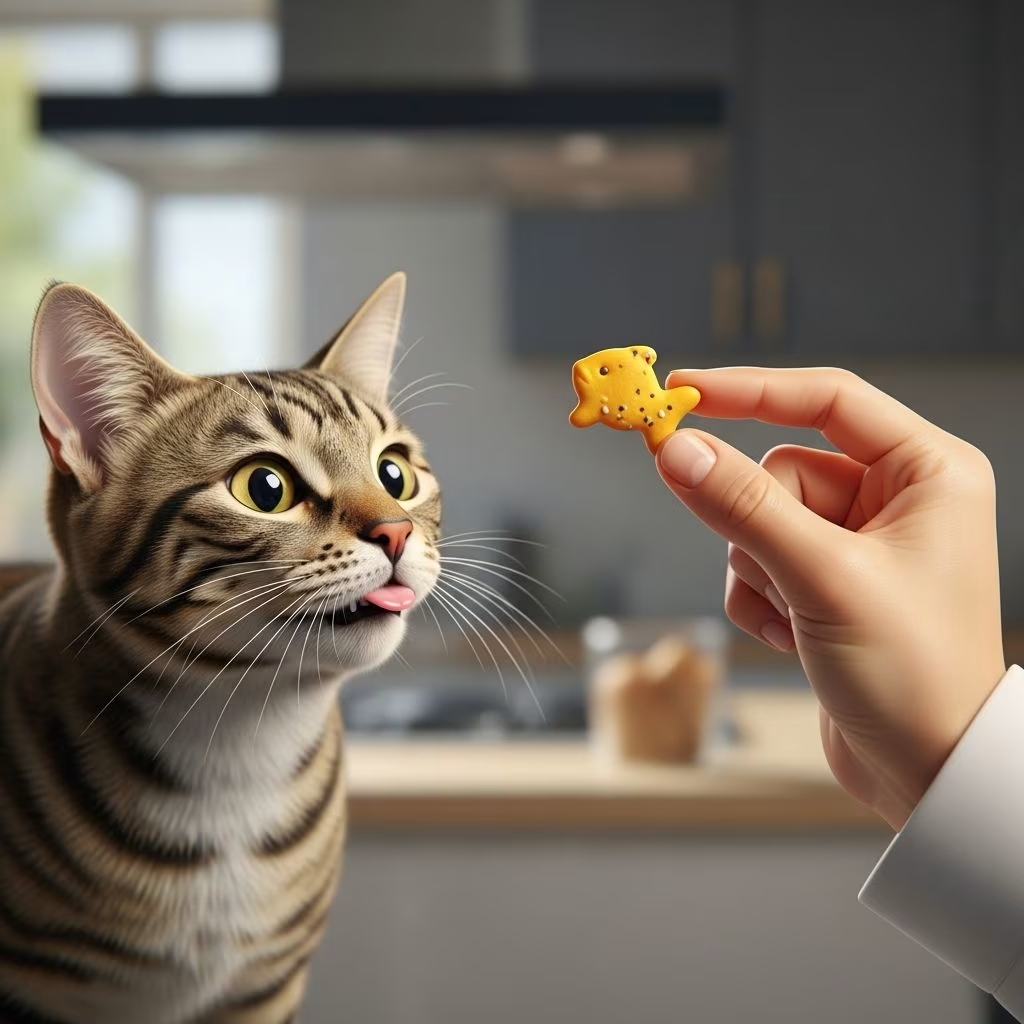
Can Cats Eat Goldfish Crackers? A Comprehensive Guide
When you’re enjoying a snack of Goldfish crackers, your feline friend might be eyeing your hand with interest. The appealing smell and crunchy texture can attract cats, leading many pet owners to wonder if it’s safe to share these popular snacks with their beloved companions. The straightforward answer is no—cats should not eat Goldfish crackers due to potentially toxic ingredients and lack of nutritional value for feline health.
What Are Goldfish Crackers Made Of?
To understand why Goldfish crackers are harmful to cats, it’s important to examine their ingredient list. These seemingly innocent snacks contain multiple components that are unsuitable for feline consumption.
The primary ingredients in Goldfish crackers include:
- Enriched wheat flour — A carbohydrate source inappropriate for obligate carnivores like cats
- Cheddar cheese — Contains dairy that many cats cannot digest properly
- Vegetable oils — Unhealthy fats that provide no nutritional benefit to cats
- Salt — Present in amounts that can be dangerous for feline health
- Onion powder — A toxic ingredient that can cause serious harm to cats
- Seasonings and preservatives — Chemical additives not designed for pet consumption
Toxic Ingredients in Goldfish Crackers
One of the most concerning aspects of Goldfish crackers for cat owners is the presence of onion powder. While it appears last on the ingredient list—suggesting a smaller quantity—onion powder is a concentrated form of onion that poses a significant risk to feline health. Unlike fresh onions, this dehydrated form requires only small amounts to cause toxicity in cats.
Onion toxicity in cats works by damaging red blood cells and causing hemolytic anemia. The harmful compounds in onions can accumulate in a cat’s system over several days, meaning that even occasional consumption of Goldfish crackers could lead to serious health complications. This makes onion powder one of the primary reasons why Goldfish crackers should never be given to your cat, regardless of the quantity.
Another problematic ingredient is milk, which contributes to the cheese flavoring. Most adult cats are lactose intolerant, meaning their digestive systems cannot properly process dairy products. Consuming cheese-based snacks can result in significant gastrointestinal distress for your feline friend.
Why Goldfish Crackers Are Unsafe for Cats
Beyond the specific toxic ingredients, Goldfish crackers present several health concerns for cats due to their overall composition and nutritional profile.
High Salt Content
Goldfish crackers contain notably high levels of salt, which can be extremely harmful to cats. Excessive salt intake can lead to increased thirst and urination, and in severe cases, it may cause sodium ion poisoning. Additionally, high sodium levels place significant strain on a cat’s kidneys, potentially leading to kidney disease or exacerbating existing kidney conditions.
Inappropriate Carbohydrates
Cats are obligate carnivores, meaning their bodies are designed to derive nutrition primarily from animal proteins. Wheat flour and other carbohydrates found in Goldfish crackers provide empty calories that cats cannot use effectively. More concerning, excess carbohydrates can disrupt your cat’s blood sugar balance, increasing the risk of diabetes and obesity over time.
Unhealthy Oils and Fats
While Goldfish crackers are baked, they contain a large amount of vegetable oil. Unlike the healthy fats sometimes included in quality cat foods, these cooking oils offer no nutritional benefit to felines and can contribute to weight gain and metabolic issues.
Artificial Additives
The spices and artificial additives in Goldfish crackers are formulated for human taste preferences, not feline digestive systems. These preservatives and flavorings may trigger allergic reactions in sensitive cats, resulting in itching, redness, or additional gastrointestinal issues.
Can Goldfish Crackers Kill Cats?
The direct answer is: a single Goldfish cracker or two is unlikely to be fatal, but this doesn’t mean they’re safe. If your cat accidentally steals one or two crackers from your plate, immediate panic isn’t necessary. However, the risks increase significantly with quantity and frequency.
Immediate vs. Long-Term Health Risks
| Amount Consumed | Immediate Effects | Health Concerns |
|---|---|---|
| 1–2 crackers | Usually no symptoms | Minimal but not recommended |
| Several crackers at once | Possible vomiting or diarrhea | Gastrointestinal distress |
| Multiple times per week | Digestive upset, lethargy | Obesity, kidney stress, anemia risk |
| Regular feeding over weeks | Chronic digestive issues | Kidney disease, hemolytic anemia, severe obesity |
While Goldfish crackers rarely cause immediate, fatal harm, the cumulative effects of regular consumption can be serious. The onion powder can accumulate in your cat’s system over several days, the high salt content strains the kidneys, and the excessive carbohydrates increase disease risk.
What to Do If Your Cat Eats Goldfish Crackers
If your cat has accidentally consumed one or two Goldfish crackers, follow these steps:
- Stay calm — A small amount is unlikely to cause immediate harm
- Monitor closely — Watch for signs of vomiting, diarrhea, excessive thirst, or unusual behavior
- Provide fresh water — This helps flush the salt from their system
- Contact your veterinarian — If your cat consumed several crackers or shows any symptoms
- Document the incident — Note the time and quantity consumed in case veterinary care is needed
If your cat ate multiple crackers or shows signs of distress, don’t hesitate to seek professional veterinary attention. Symptoms such as severe vomiting, persistent diarrhea, or lethargy warrant immediate medical evaluation.
Healthier Treat Alternatives for Your Cat
Since Goldfish crackers are inappropriate for cats, consider these safer alternatives that align with their dietary needs:
- Commercial cat treats — Specifically formulated with feline nutritional requirements in mind
- Cooked chicken — Plain, boneless, and unseasoned poultry provides lean protein
- Cooked turkey — Another excellent protein source for cats
- Small amounts of wet cat food — As occasional treats between meals
- Freeze-dried meat treats — Made from pure meat with no additives
- Cat-specific dental treats — Help maintain oral health while satisfying the urge to chew
These alternatives provide nutritional value while respecting your cat’s dietary requirements as an obligate carnivore. When introducing any new treat, do so gradually and in small quantities to ensure your cat tolerates it well.
Understanding Your Cat’s Nutritional Needs
Cats have fundamentally different nutritional requirements than humans. As obligate carnivores, they require:
- High-quality animal protein — Essential for muscle maintenance and organ function
- Taurine — An amino acid critical for heart and eye health that cats cannot synthesize themselves
- Appropriate fat levels — From animal sources, not vegetable oils
- Minimal carbohydrates — Cats have no biological need for plant-based carbs
Goldfish crackers provide none of these essential nutrients. Instead, they offer ingredients that are either unsuitable or harmful to feline health. Maintaining a species-appropriate diet is one of the most important factors in keeping your cat healthy and extending their lifespan.
Preventing Access to Human Snacks
The best way to protect your cat from Goldfish crackers and other unsafe foods is prevention. Consider these strategies:
- Store snacks securely — Keep Goldfish crackers and other human foods in closed containers or cabinets
- Don’t eat around your cat — The smell and your consumption can trigger your cat’s interest
- Educate family members — Ensure everyone in your household understands which foods are toxic to cats
- Supervise snacking — When eating at home, be mindful of your cat’s proximity
- Offer appropriate alternatives — When your cat begs, redirect to cat-safe treats instead
Frequently Asked Questions
Q: Can a cat eat just one Goldfish cracker?
A: One Goldfish cracker is unlikely to cause immediate harm, but it’s still not recommended. Even small amounts contain salt, dairy, and onion powder, which aren’t beneficial for cats. It’s best to avoid giving them any crackers at all.
Q: What are the symptoms of onion toxicity in cats?
A: Symptoms of onion toxicity include lethargy, weakness, vomiting, diarrhea, pale gums, and difficulty breathing. These signs may appear days after consumption as the toxins accumulate in the cat’s system.
Q: Can cats have any human snacks safely?
A: Very few human snacks are safe for cats. Plain cooked chicken, turkey, and some fruits like small pieces of watermelon can be given occasionally, but most commercial snacks like crackers should be avoided entirely.
Q: How much salt is too much for a cat?
A: Cats require minimal salt—their needs are met through commercial cat foods. Excess salt can cause dehydration, increased thirst, and kidney stress. Goldfish crackers contain significantly more salt than is appropriate for feline consumption.
Q: Are all crackers bad for cats?
A: Yes, most crackers intended for human consumption contain ingredients unsuitable for cats. Whether they’re cheese-flavored or plain, crackers are primarily carbohydrates with added salt, seasonings, and preservatives that provide no nutritional value and can cause digestive upset.
Q: Should I be concerned if my cat ate several Goldfish crackers?
A: Yes, consuming multiple crackers can result in gastrointestinal distress and other health complications. Contact your veterinarian for guidance and monitor your cat closely for vomiting, diarrhea, or behavioral changes.
Conclusion
Goldfish crackers may be a beloved snack for humans, but they have no place in your cat’s diet. These crunchy treats contain multiple ingredients—including toxic onion powder, inappropriate dairy, excessive salt, and unnecessary carbohydrates—that can harm your feline friend’s health. While a single cracker is unlikely to be fatal, regular consumption or large quantities can lead to serious complications ranging from gastrointestinal distress to anemia and kidney disease.
As a responsible cat owner, the best approach is to avoid giving Goldfish crackers to your cat entirely, even in small amounts. Instead, focus on providing a balanced, species-appropriate diet and choosing treats specifically formulated for cats. By understanding your cat’s unique nutritional needs and the risks posed by human snacks, you can ensure your beloved companion enjoys a long, healthy, and happy life.
References
- Can Goldfish Crackers Kill Cats? — Zoorithm. 2024. https://www.zoorithm.com/post/can-goldfish-crackers-kill-cats
- Can Cats Eat Goldfish Crackers? Vet Approved Facts & Safety Guide — Hepper. 2024. https://articles.hepper.com/can-cats-eat-goldfish-crackers/
- Can Cats Have Goldfish Crackers? — Zoorithm. 2024. https://www.zoorithm.com/cats/can-cats-have-goldfish-crackers
- Can Cats Eat Goldfish Crackers? Vet Approved Facts & FAQ — Catster. 2024. https://www.catster.com/cat-health-care/can-cats-eat-goldfish-crackers/



