

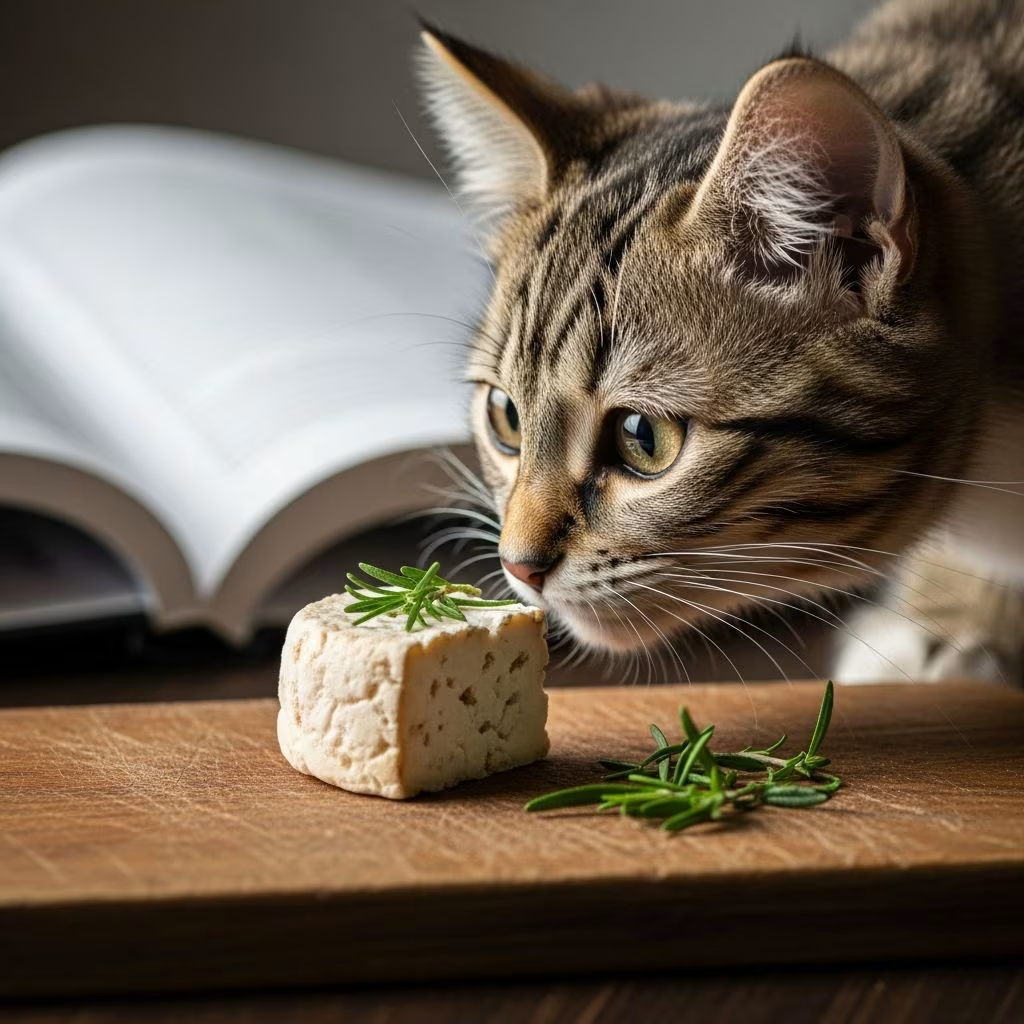
The simple answer is **yes, cats can eat goat cheese** in small amounts as an occasional treat. However, as obligate carnivores, cats thrive on meat-based diets, and dairy like goat cheese should never replace their balanced cat food. This guide explores the nutritional profile, benefits, risks, safe portions, and expert advice to keep your feline healthy.
Nutritional Value of Goat Cheese for Cats
Goat cheese offers a nutrient-dense profile that can provide minor health boosts when fed sparingly. Per 1-ounce (28g) serving, it typically contains:
- Calories: 103 kcal
- Protein: 6 grams
- Fat: 8 grams
- Carbohydrates: 0 grams
- Vitamin A: 8% of RDI
- Vitamin B2 (Riboflavin): 11% of RDI
- Calcium: 6% of RDI
Key benefits for cats include its **low lactose content** compared to cow’s milk cheese, making it more digestible for many felines. It’s also rich in protein for muscle maintenance, calcium for bone health, and vitamins A and B2 supporting vision, skin, and energy metabolism. Unlike carb-heavy foods, it has zero carbohydrates, aligning better with a cat’s low-carb needs.
A Quick Nutritional Comparison Table
| Nutrient | Amount per 1 oz | Benefit for Cats |
|---|---|---|
| Calories | 103 kcal | Low-calorie treat option |
| Protein | 6g | Supports muscle repair |
| Fat | 8g | Energy source, but moderate intake needed |
| Carbs | 0g | Ideal for obligate carnivores |
| Calcium | 6% RDI | Bone and teeth health |
| Lactose | Low | Easier digestion than cow cheese |
Is Goat Cheese Healthy for Cats?
Cats are **obligate carnivores**, requiring animal-based proteins for survival, not dairy. Goat cheese isn’t essential but can be a healthy occasional treat due to its nutrients. Its lower lactose (aged during production) reduces intolerance risks, and it provides protein, calcium, and vitamins without carbs.
In moderation, it may boost health: protein aids growth, calcium strengthens bones, vitamin A supports immunity, and B2 aids metabolism. Studies on feline nutrition emphasize meat primacy, but small dairy amounts pose no harm for most cats. Always prioritize complete cat food meeting AAFCO standards.
The Possible Problems With Cats Eating Goat Cheese
Despite benefits, risks exist. Most adult cats lose lactase post-weaning, becoming **lactose intolerant**. Goat cheese has less lactose but enough to cause issues in sensitive cats.
Common problems include:
- Stomach upset and abdominal pain
- Excessive gas and bloat
- Vomiting or diarrhea
- Constipation
- Increased thirst and dehydration
High fat (8g/oz) risks obesity or pancreatitis; salt in flavored varieties can lead to toxicity. Avoid cheeses with garlic, onions, or herbs—toxic to cats. Introduce slowly, monitoring for allergies like itching or swelling.
How Much Goat Cheese Can Cats Eat?
**Moderation is crucial**—treats should be <10% of calories. Guidelines:
- Kittens: 1–2 tablespoons weekly. Better at lactose digestion, but mother’s milk is best. High calories/sodium risk toxicosis.
- Adult cats: 2–4 tablespoons every other day max. Monitor for intolerance; skip if health issues exist.
Consult a vet before feeding, especially for obese, diabetic, or GI-sensitive cats. Plain, unseasoned goat cheese only.
Can Kittens Eat Goat Cheese?
Kittens under 8 weeks produce lactase for mother’s milk but lack teeth for hard cheese. Creamy goat cheese is digestible but high-sodium risks outweigh benefits. Post-weaning, intolerance grows—limit to tiny amounts or avoid. Opt for kitten formula.
Conclusion
Goat cheese can be a tasty, low-lactose treat for cats, offering protein, calcium, and vitamins without carbs. However, lactose intolerance, fat, and salt risks demand strict moderation. Feed plain portions sparingly, watch for reactions, and prioritize vet-approved cat food. Healthier alternatives like cooked chicken ensure joy without jeopardy.
Frequently Asked Questions
Is goat cheese low in lactose?
Yes, goat cheese has lower lactose than cow cheese due to aging, making it more digestible, though not lactose-free.
Is goat cheese better than other cheeses for cats?
Often yes—lower lactose than soft cheeses like cream or cottage, but all dairy needs moderation. Harder cheeses like cheddar or Swiss are comparable.
Can all cats eat goat cheese safely?
No—lactose-intolerant or health-compromised cats may react. Test small amounts and consult a vet.
What are safer alternatives to goat cheese?
Plain cooked meats (chicken, fish without bones/seeds), commercial cat treats. Avoid toxic additives.
Why do cats like cheese?
Fat and umami flavors appeal, mimicking meat. But enjoyment doesn’t mean nutritional need.
References
- Can Cats Eat Goat Cheese Cheese? – Q and A — Cheese.com. Accessed 2026. https://www.cheese.com/q-and-a/can-cats-eat-goat-cheese-cheese/
- Can Cats Eat Goat Cheese? Vet-Reviewed Nutritional Benefits & FAQ — Catster. Accessed 2026. https://www.catster.com/nutrition/can-cats-eat-goat-cheese/
- Can Cats Eat Cheese? A Guide to Safety — Purina US. Accessed 2026. https://www.purina.com/articles/cat/feeding/can-cats-eat/cheese
- PetMD: Can Cats Eat Cheese? — PetMD (Veterinary Partner). Accessed 2026. https://www.petmd.com/cat/nutrition/can-cats-eat-cheese



