

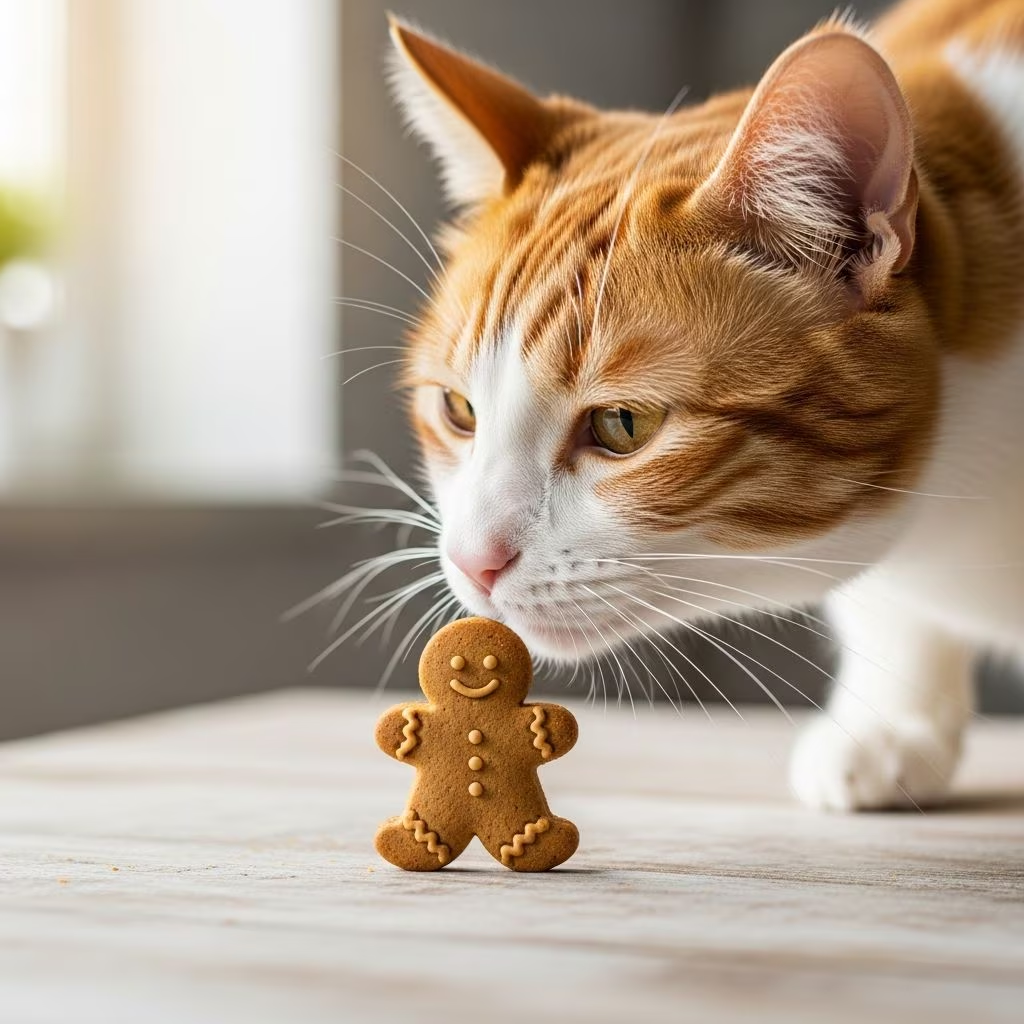
Can Cats Eat Gingerbread?
Occasionally, a small bite of gingerbread or gingerbread cookies is unlikely to be a problem for your cat. However, gingerbread contains several unhealthy ingredients, and depending on the recipe, it can contain harmful ones. Ideally, your cat should not be given gingerbread, but if some drops on the floor or your child feeds a bite or two to the cat, there is little cause for concern.
While ginger itself is not toxic to cats in small amounts, the other ingredients commonly found in gingerbread recipes present significant health risks. The primary concern lies in the spices, sweeteners, and other additives that can be potentially harmful to your feline companion. Cats have different digestive systems than humans, making some ingredients difficult for them to process properly.
Understanding Gingerbread Ingredients
To determine whether gingerbread is safe for your cat, it’s essential to understand what goes into making this popular holiday treat. Most traditional gingerbread recipes contain a combination of flour, butter, sugar, eggs, molasses, and various spices. While some of these ingredients are relatively harmless in small quantities, others can pose serious health risks to felines.
Nutmeg Toxicity in Cats
Gingerbread contains nutmeg, which can be toxic to cats. Nutmeg is unlikely to cause little more than stomach upset in small quantities. This is the most likely issue you will see since nutmeg makes up a very small amount of the recipe. In large quantities, however, nutmeg can be deadly to your cat.
The spice contains myristicin, a compound that can cause toxicity in pets. Symptoms of nutmeg poisoning include:
- Disorientation and confusion
- Increased heart rate and elevated blood pressure
- Hallucinations
- Seizures
- Abdominal pain and dry mouth
Since nutmeg typically appears in gingerbread in only small amounts, the risk of serious poisoning from a single cookie or small piece is minimal. However, it’s still best to avoid giving your cat any gingerbread to eliminate this risk entirely.
Clove Toxicity in Cats
Cloves are another gingerbread ingredient that contains a toxin called eugenol. Eugenol can lead to liver toxicity in cats in large quantities. Like nutmeg, the amount present in a gingerbread recipe is unlikely to cause issues for your cat since clove toxicity generally occurs from eating whole cloves or clove oil.
Eugenol toxicity can lead to vomiting, seizures, tremors, and a staggering gait in cats, though no comprehensive studies about clove toxicity in cats exist. It is best to err on the side of caution and avoid cloves when possible. Additionally, allspice contains eugenol, making it another spice to be mindful of when assessing gingerbread safety.
Cinnamon and Other Spices
Although less likely to cause issues, the cinnamon and allspice in gingerbread can also lead to adverse reactions in cats. While the ASPCA listed cinnamon as non-toxic for cats, too much of it can lead to issues such as diarrhea, vomiting, and blisters inside the mouth. It may even irritate their lungs when consumed in excessive amounts.
Many gingerbread recipes use spices like cinnamon, ginger, cloves, and sometimes allspice to create that distinctive flavor. While these spices are generally recognized as safe for human consumption, cats process them differently.
Sugar Content and Digestive Health
A cat’s digestive system is fundamentally different from that of humans. High sugar content in gingerbread can lead to obesity, dental issues, and even diabetes in pets over time. Additionally, sugars in gingerbread are an issue because cats’ bodies cannot break them down as our bodies do.
This inability to break down sugars properly can lead to stomach upset and even diabetes. Most cats lack the taste receptors for sweetness and don’t require sugary foods in their diet. Gingerbread also often contains molasses, which is high in sugar content and provides no nutritional benefit to cats.
Commercial gingerbread products may also contain frosting and sweet decorations. Frosting and other sweet toppings can make your cat nauseated, vomit, or have diarrhea.
Butter and Fat Content
Rich, fatty ingredients like butter can upset your pet’s stomach and may even lead to pancreatitis in severe cases. Butter is not inherently toxic to cats, but excessive amounts can cause gastrointestinal upset and trigger inflammatory conditions.
The high fat content in traditional gingerbread recipes means that even a small piece contains a concentrated amount of fat that could potentially cause digestive issues in sensitive cats. Pancreatitis, an inflammation of the pancreas, is a serious condition that requires veterinary intervention.
Other Potentially Harmful Ingredients
Beyond the spices and sugar, gingerbread may contain other problematic ingredients:
- Xylitol: Some gingerbread recipes or store-bought versions may include xylitol, a sugar substitute that is highly toxic to dogs and can be dangerous to cats. Ingesting even a small amount can cause a dangerous drop in blood sugar or liver failure.
- Raisins or Currants: If added to gingerbread, these dried fruits can cause kidney failure in dogs and cats.
- Vanilla Extract: If your pet eats raw batter containing vanilla extract, note that pure or artificial vanilla extract has a 35% alcohol content, which is toxic to cats and dogs.
- Raw Eggs: If your cat eats raw gingerbread batter, there is a risk of Salmonella poisoning from raw eggs.
What About Pure Ginger?
While gingerbread may not be safe for your kitty to eat, it turns out ginger is—at least in small amounts! Ginger itself is not toxic to pets in small amounts, and consuming moderate amounts of ginger root will not harm your cat.
In fact, ginger is not only safe, but it can also be beneficial to cats and is quite popular with vets who practice holistic medicine. Ginger is good for soothing digestive issues like indigestion, stomach aches, and nausea; it can even aid your cat if it is prone to motion sickness. This is why ginger can be found in some therapeutic pet treats and supplements designed specifically for feline digestive health.
What to Do If Your Cat Eats Gingerbread
If your beloved feline was only able to get a nibble of gingerbread, then they should be fine. Keep an eye on them, though. Watch for any of the symptoms, such as vomiting, diarrhea, disorientation, or seizures.
Monitor your cat for the following signs over the next 24-48 hours:
- Vomiting or regurgitation
- Diarrhea or loose stools
- Loss of appetite
- Lethargy or unusual behavior
- Disorientation or confusion
- Seizures or tremors
- Increased drooling
- Difficulty walking or staggering gait
If any of these symptoms occur, take your cat to the vet as soon as possible. Your veterinarian can provide supportive care and monitor your cat’s condition. It’s always better to err on the side of caution when it comes to your pet’s diet. Even if your cat seems fine after eating something unusual, long-term effects or hidden dangers could arise.
Proper Cat Nutrition and Treats
A cat’s regular diet should consist primarily of protein-based foods, and treats should also be high in protein and low in carbohydrates, especially sugar. Cats are obligate carnivores, meaning their bodies are designed to obtain nutrients from meat rather than plant-based sources or sugary foods.
Ideally, you should avoid giving your cat table scraps, including gingerbread and other sweets. Instead, consider these healthier treat alternatives:
- Commercial cat treats specifically formulated for feline nutrition
- Small pieces of cooked chicken or turkey (unseasoned)
- Canned tuna or salmon (in water, not oil)
- Cat-safe vegetables like cooked carrots or pumpkin
- Freeze-dried meat treats
Commercial cat treats are a great way to treat your cat without risking dietary problems. These treats are formulated to meet your cat’s nutritional needs while providing an enjoyable snack.
Holiday Safety for Your Feline Friend
During the holiday season, many people want to share treats with their cats. However, it’s crucial to remember that many popular holiday foods and treats are unsafe for felines. Beyond gingerbread, cat owners should also avoid giving their cats items like chocolate, candy, fatty meats, and other human desserts.
If you want to give your cat a special holiday treat, opt for cat-safe options that won’t compromise their health. You can even make homemade cat treats using cat-friendly ingredients like canned pumpkin, cooked chicken, or fish-based treats.
Frequently Asked Questions
Q: Can cats eat gingerbread cookies?
A: Cats should not be given gingerbread cookies. While a small bite is unlikely to cause serious harm, gingerbread contains spices like nutmeg and cloves that can be toxic to cats, along with excessive sugar and fat content that is unhealthy for feline digestion.
Q: What is the safest amount of gingerbread for a cat?
A: The safest amount is none at all. However, if your cat accidentally ingests a small piece, monitor them for symptoms. A single small bite dropped on the floor is unlikely to cause serious problems, but this should not be a regular occurrence.
Q: Are there any safe spices for cats?
A: Most culinary spices should be avoided for cats. However, ginger itself in small amounts is safe and may even provide digestive benefits. Always consult with your veterinarian before introducing any new spices or supplements to your cat’s diet.
Q: What symptoms indicate my cat ate too much gingerbread?
A: Symptoms of gingerbread toxicity or digestive upset include vomiting, diarrhea, disorientation, seizures, tremors, increased heart rate, and behavioral changes. Contact your veterinarian immediately if your cat displays any of these signs.
Q: Can ginger supplements be safe for cats?
A: Ginger supplements can be beneficial for cats when administered under veterinary guidance. Many holistic veterinarians recommend ginger for digestive issues. Always consult your vet before giving your cat any supplements.
Q: What should I do if my child feeds my cat gingerbread?
A: Don’t panic. A small piece is unlikely to cause serious harm. Monitor your cat closely for any signs of distress or unusual behavior over the next 24-48 hours. If symptoms develop, contact your veterinarian. Use this as an opportunity to educate your child about pet safety.
Q: Are there healthier treat alternatives for the holidays?
A: Yes, many cat-safe treat options exist. Consider commercial cat treats, small pieces of cooked chicken or fish, freeze-dried meat treats, or cat-safe vegetables. These alternatives provide nutritional value without the health risks associated with human desserts.
Conclusion
Gingerbread is unlikely to cause harm to your cat in small amounts, so a bite or two isn’t risky. However, gingerbread contains some ingredients that are not healthy for your cat, and the clove and nutmeg can cause toxicity in your cat. Although less likely to cause issues, the cinnamon and allspice in gingerbread can also lead to adverse reactions in cats.
These health issues arise not from the ginger or bread but from other ingredients used in gingerbread such as nutmeg, cinnamon, and cloves. In fact, ginger itself is acceptable to give your kitty in small doses; it can even benefit their health! When it comes to treating your beloved feline companion, prioritize their health and wellbeing by choosing treats specifically formulated for cats rather than sharing your holiday desserts.
References
- Can dogs and cats eat gingerbread? — Dial A Vet. https://www.dialavet.com/blog/gingerbread
- Can Cats Eat Gingerbread? Vet Reviewed Nutritional Facts & Info — Hepper. https://articles.hepper.com/can-cats-eat-gingerbread/
- Can Cats Eat Gingerbread? Vet-Approved Facts & FAQ — Catster. https://www.catster.com/nutrition/can-cats-eat-gingerbread/
- 13 Holiday Foods That Are Dangerous to Cats — PetMD. https://www.petmd.com/cat/nutrition/holiday-foods-dangerous-to-cats
- Are Gingerbread Cookies Safe for Dogs and Cats? — FirstVet. https://firstvet.com/us/articles/can-dogs-and-cats-eat-gingerbread-cookies



