

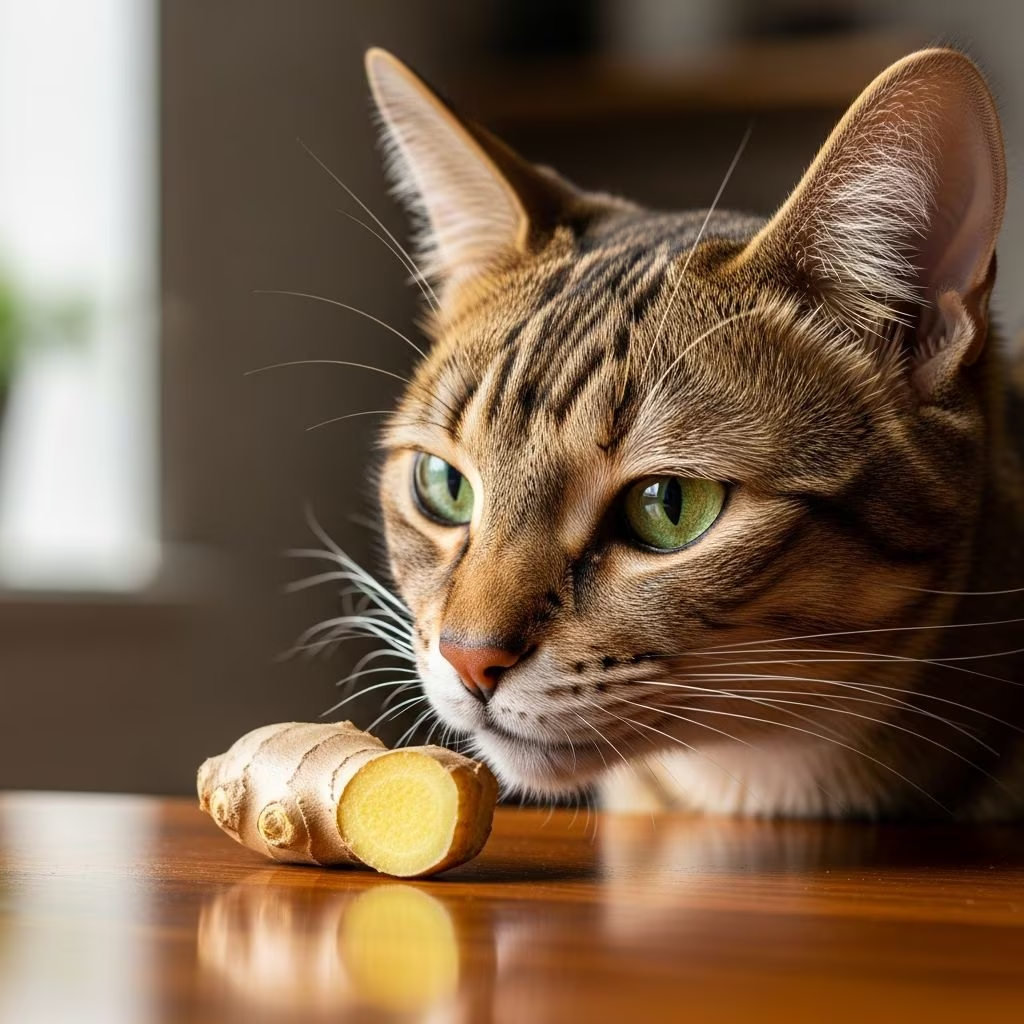
Ginger is a popular spice known for its digestive and anti-nausea properties in humans, but cat owners often wonder if it’s safe for their feline friends. The short answer is yes, cats can eat **ginger** in small amounts, but only with veterinary approval and strict moderation. Ginger root is not toxic to cats, according to sources like the ASPCA, but its potent compounds like gingerol can irritate sensitive feline stomachs if overfed. This comprehensive guide covers everything from safety and benefits to risks, preparation methods, and FAQs to help you make informed decisions for your cat’s health.
Can Cats Eat Ginger Roots?
**Ginger root** is safe for cats when given sparingly, but its tough texture makes it unpalatable for most felines to chew directly. Instead of offering chunks, grind a small piece of fresh ginger root into a fine powder or boil it to make a weak tea. Veterinary experts recommend starting with no more than 1/8 to 1/4 teaspoon of fresh grated ginger per day for an average adult cat, diluted in food or water. Always consult your vet, especially for cats with pre-existing conditions, as individual tolerances vary.
Fresh ginger is preferable over powdered forms because powders may contain additives. Boiling ginger roots releases its active compounds gently, making it easier on the stomach. For example, smash a small thumb-sized piece (about 1/4 teaspoon grated), steep in hot water for 5 minutes, cool completely, and offer 1-2 teaspoons of the strained liquid mixed into wet food. Monitor for acceptance, as cats are picky eaters and the spicy aroma may deter them.
The Short Answer: Is Ginger Safe for Cats?
In small, controlled doses, **ginger is safe for most cats** and non-toxic, as confirmed by the ASPCA and PetMD. However, it’s not a staple food and should never replace a balanced commercial cat diet. Cats lack the enzymes to fully metabolize large amounts of gingerol, the active compound responsible for its zesty flavor and benefits, which is why excess can lead to gastrointestinal distress. VCA Animal Hospitals notes potential mild side effects like stomach upset, emphasizing moderation.
Safe scenarios include occasional use for motion sickness during car rides or mild digestive aid. Unsafe forms include ginger in baked goods, candies, or spiced dishes, which often contain toxic additives like xylitol, sugar, nutmeg, or garlic. For healthy adults, a pinch (less than 1/8 teaspoon) once or twice weekly is generally tolerated, but kittens, seniors, and pregnant cats should avoid it entirely due to sensitive systems.
Potential Health Benefits of Ginger for Cats
While not essential, ginger offers targeted benefits when used judiciously. Its anti-inflammatory and antioxidant properties stem from gingerol and shogaols, which may support feline health in specific cases.
- Digestive support: Ginger soothes nausea and upset stomachs, ideal for cats with motion sickness or post-meal bloating. Studies in veterinary contexts suggest it promotes gastric motility without the harshness of some meds.
- Anti-inflammatory effects: Compounds like gingerol may reduce joint inflammation in arthritic cats, improving mobility. Dial A Vet highlights its role in easing discomfort from conditions like osteoarthritis.
- Immune boost: Antioxidants combat free radicals, potentially strengthening immunity during stress or minor illnesses.
- Circulation improvement: Enhanced blood flow supports organ health, beneficial for older cats with sluggish circulation.
PetMD supports using up to 1/4 teaspoon fresh ginger daily for nausea relief, but Cornell University stresses it’s for acute issues only, not chronic conditions. Always pair with vet-recommended probiotics for better digestive outcomes.
Potential Risks and Side Effects of Ginger in Cats
Too much ginger poses real risks due to cats’ sensitive digestive tracts and livers, which process gingerol inefficiently. Common issues include:
- Gastrointestinal upset: Vomiting, diarrhea, excessive drooling, or gas from overdosing (over 1/2 teaspoon).
- Allergic reactions: Rare but possible—itching, swelling, lethargy, or refusal to eat.
- Drug interactions: Ginger may thin blood or interfere with pain meds, diabetes treatments, or blood pressure drugs.
- Chronic overuse: Liver strain or ongoing inflammation, per Cornell warnings.
Watch for symptoms within 24 hours: lethargy, unusual behavior, or appetite loss. If seen, discontinue immediately and contact a vet. Kittens under 6 months risk severe dehydration from even tiny amounts. Holiday foods like gingerbread or pumpkin pie are dangerous due to nutmeg and sugars.
How to Safely Feed Your Cat Ginger (Vet-Reviewed Dosing Guide)
Follow this vet-backed protocol to minimize risks:
- Consult vet first: Essential for cats on meds, with health issues, or under 1 year old.
- Choose fresh forms: Grate 1/8-1/4 teaspoon fresh root; avoid powders with additives.
- Mix with food: Blend into wet food or broth to mask flavor and protect empty stomachs.
- Start tiny: Offer 1/16 teaspoon first, observe 24-48 hours.
- Frequency limit: Max 1-2 times weekly for acute needs; never daily.
| Situation | Safe Dose | Frequency | Alternatives |
|---|---|---|---|
| Motion sickness | 1/8 tsp grated | Once per trip | Feliway, Cerenia |
| Mild nausea | 1/4 tsp in tea | 1-2x/week | Probiotics |
| Arthritis aid | Pinch daily (vet ok) | Short-term | Vet supplements |
| Kittens/Seniors | None | Avoid | Vet-prescribed |
Store ginger in sealed, elevated containers to prevent curious nibbling.
Ginger Dosage Chart for Cats
Use this chart as a starting guide, adjusted by vet:
| Cat Weight | Fresh Grated (tsp) | Powdered (pinch) | Tea (tsp) |
|---|---|---|---|
| <5 lbs | 1/16 | Tiny | 1 |
| 5-10 lbs | 1/8 | Small | 1-2 |
| >10 lbs | 1/4 max | Medium | 2 |
Doses are per serving; dilute always.
Conclusion
Ginger can be a helpful occasional aid for cats, offering nausea relief and anti-inflammatory support, but it’s no miracle cure. Prioritize moderation, fresh forms, and veterinary guidance to harness benefits without risks. A balanced cat food diet remains paramount—treat ginger as a supplement, not a mainstay. If your cat shows adverse signs, seek professional care promptly.
Frequently Asked Questions
Can cats eat raw ginger?
Yes, in tiny amounts like 1/8 teaspoon grated, but cook or boil for better tolerance. Excess irritates stomachs.
Is ginger tea safe for cats?
Plain, weak ginger tea (no sugar/additives) is safest in 1-2 tsp doses. Consult vet.
Can kittens eat ginger?
No—avoid entirely; their systems are too sensitive, risking severe upset.
Is powdered ginger okay for cats?
Pure powder in pinches yes, but check for additives. Fresh preferred.
What if my cat ate gingerbread?
Contact vet urgently—sugars, fats, nutmeg are toxic.
References
- Ginger – VCA Animal Hospitals — VCA Animal Hospitals. 2023. https://vcahospitals.com/know-your-pet/ginger
- Can Cats Eat Ginger? Benefits and Safe Feeding — Dial A Vet. 2024. https://www.dialavet.com/blog/can-cats-eat-ginger
- Can Cats Eat Ginger? Safety and Dosage Facts — Alibaba Spice Basics (citing ASPCA, PetMD, Cornell). 2024. https://spice.alibaba.com/spice-basics/can-cats-eat-ginger
- Can Cats Eat Ginger? Vet-Approved Nutritional Info & FAQ — Catster. 2024. https://www.catster.com/nutrition/can-cats-eat-ginger/
- 13 Holiday Foods That Are Dangerous to Cats — PetMD. 2023-12-20. https://www.petmd.com/cat/nutrition/holiday-foods-dangerous-to-cats



