

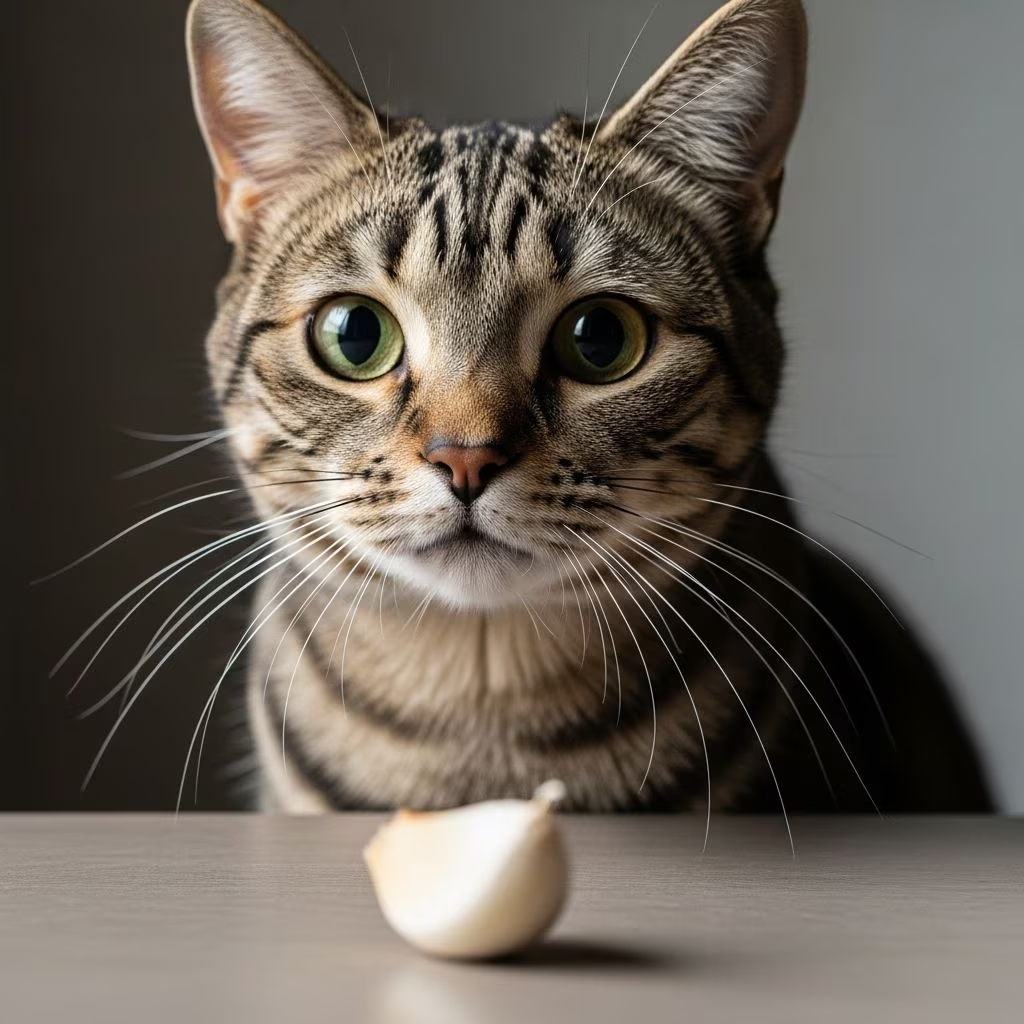
Can Cats Have Garlic?
No, cats cannot have garlic. Garlic is part of the allium family, which also includes onions, leeks, and chives. All of these contain compounds that are toxic to cats because their bodies cannot process them safely. This toxicity means that even small amounts can be harmful to your feline companion. In fact, cats are among the most susceptible to garlic toxicity—even more so than dogs—making it essential to keep all forms of garlic away from your pet.
Whether garlic is raw, cooked, or powdered, it poses the same serious risk to your cat’s health. Many cat owners may not realize how dangerous this common kitchen ingredient truly is, which is why understanding garlic toxicity is crucial for responsible pet ownership.
Why Is Garlic Bad for Cats?
Garlic is dangerous for cats because it contains thiosulfates—a sulfur compound also found in onions, leeks, and chives. Cats lack the specific enzymes needed to break down these compounds safely. When ingested, thiosulfates damage red blood cells, leading to a condition called hemolytic anemia.
Hemolytic anemia is a serious medical condition that reduces oxygen delivery to organs and tissues and can cause severe health complications. This chain reaction is what makes garlic so toxic to cats. The effects can range from mild if only a small amount is eaten to life-threatening in larger doses.
The major risks of hemolytic anemia in cats include:
- Reduced oxygen supply to vital organs
- Organ failure in severe cases
- Lethargy and weakness
- Pale mucous membranes
- Potential death if left untreated
Understanding the mechanism of garlic toxicity helps pet owners appreciate how critical it is to prevent any exposure to this ingredient.
How Much Garlic Is Toxic to Cats?
There is no safe threshold of garlic for cats. Even tiny amounts can be toxic and cause serious harm. Research shows that as little as 5 grams of onion per kilogram of body weight can be toxic, and garlic is three to five times more potent. That means just 1 gram of garlic per kilogram of body weight can be harmful to your cat.
To put this into perspective, an average garlic clove weighs about 5 grams. For an 11-pound cat (approximately 5 kilograms), eating a single clove could be a toxic dose. Even smaller amounts can upset your cat’s stomach and, in some cases, start damaging their red blood cells.
Because cats are more sensitive to garlic than dogs or people, even a “little bit” isn’t safe. Consider these dangerous quantities:
- Less than one small garlic clove (approximately 4–7 grams) can result in severe toxicity in an average-sized cat (10–12 pounds)
- Less than 1/2 teaspoon of minced garlic can be toxic
- Less than 1/8 teaspoon of garlic powder can be toxic
- As little as 197 milligrams of garlic powder can lead to poisoning
If your cat consumes any amount of garlic, it is best to call your veterinarian right away for guidance.
What Are the Symptoms of Garlic Poisoning in Cats?
Symptoms of garlic poisoning may take a few days to appear, but they can be serious. Prompt veterinary care is crucial when you suspect your cat has ingested garlic.
Early Gastrointestinal Signs (Within 1 Day)
- Vomiting
- Diarrhea
- Loss of appetite
- Abdominal pain or discomfort
- Drooling
Signs of Anemia (3–5 Days Post-Exposure)
- Lethargy or extreme fatigue
- Pale gums or mucous membranes
- Red or brown urine (indicating hemoglobin in urine)
- Weakness or difficulty moving
- Rapid or labored breathing
- Weakness in the hind legs
Because symptoms may be delayed, never wait for signs to appear before seeking medical attention. Some breeds, such as Burmese and Siamese cats, may react more quickly to garlic toxicity than others.
Can Cats Eat Garlic Powder?
No, cats cannot eat garlic powder. Garlic powder is more concentrated than fresh garlic, making it even more dangerous for cats. A tiny amount of garlic powder can harm your feline companion.
Because garlic powder is dehydrated and concentrated, it contains significantly more garlic per volume than fresh garlic. This means that even a pinch of garlic powder can exceed the toxic threshold for cats. You should avoid giving garlic to your cat in any form, including powdered versions.
Can Cats Eat Garlic Bread?
No, cats cannot eat garlic bread. Garlic bread often contains garlic or garlic powder, butter, and other ingredients that are not safe for cats. Even though garlic bread contains a relatively small amount of garlic compared to other foods, this product is still harmful to your feline companion.
Plain bread may not be nutritionally appropriate for cats, but it isn’t dangerous on its own. However, garlic bread is downright toxic to cats. The severity of poisoning depends on the ingested amount, your kitty’s size, and how susceptible they are. Although a cat probably won’t die from a single bite, feeding your feline garlic bread regularly can lead to anemia and eventually death.
What Forms of Garlic Should Be Avoided?
Garlic is toxic to cats in all forms. Whether you’re cooking with it in your kitchen or considering it as a potential remedy, you must keep all forms of garlic away from your cat:
- Fresh garlic cloves
- Raw garlic
- Cooked garlic
- Jarred minced garlic
- Garlic powders and salts
- Garlic supplements or natural pest remedies
- All homemade or prepackaged foods containing garlic
- Baby foods and broths with garlic
- Garlic-flavored treats or snacks
Prevention is key. Keep all forms of garlic—fresh, cooked, and powdered—out of reach, and avoid feeding your cat any human foods that contain it.
What Should You Do If Your Cat Eats Garlic?
If your cat eats garlic, they need emergency medical treatment. Do not wait for symptoms to appear before seeking veterinary care. Here are the steps you should take:
- Contact your veterinarian immediately or an emergency veterinary clinic if it’s after hours
- Provide information about the type and amount of garlic ingested and when it occurred
- Describe any symptoms your cat is currently showing
- Follow veterinary guidance regarding decontamination or other treatments
- Monitor your cat closely for any changes in behavior or health over the coming days
Your veterinarian may recommend supportive care, including IV fluids, blood transfusions, or medications to help manage symptoms and protect your cat’s red blood cells. The earlier treatment begins, the better the prognosis for your feline friend.
Is There Any Safe Amount of Garlic for Cats?
No. There is no safe amount of garlic for cats. Even trace amounts—garlic powder, cooked garlic, or garlic in human food—can trigger toxicity. The common myth that a “small amount” of garlic is acceptable for cats is dangerous and should be disregarded entirely.
Some pet owners believe that because garlic has purported health benefits for humans or dogs, it might be beneficial for cats. This is incorrect. Garlic offers no health benefits to cats and is dangerous, making it essential to eliminate any garlic exposure from your cat’s environment.
Frequently Asked Questions About Garlic and Cats
Are cats allergic to garlic, or is it a toxicity issue?
While cats aren’t typically allergic to garlic in the traditional sense, their bodies cannot process it safely. Garlic is toxic to them due to the thiosulfates it contains, which damage red blood cells. It’s not an allergy but a direct toxic effect.
How long does it take for a cat to show symptoms of garlic poisoning?
Gastrointestinal signs can appear within 1 day of ingestion, but anemia-related symptoms typically appear 3–5 days after exposure. This delayed response is why immediate veterinary consultation is crucial, even if your cat seems fine initially.
Is cooked garlic safer than raw garlic for cats?
No. Whether garlic is cooked or raw, it remains toxic to cats. The cooking process does not eliminate or reduce the harmful thiosulfates.
Can garlic supplements help prevent parasites or worms in cats?
No. Avoid supplements or natural pest remedies with garlic. While some people use garlic for these purposes with other pets or themselves, garlic is not safe for cats and should never be used as a health remedy.
What should I do if my cat accidentally ate a small piece of garlic?
Even a small piece of garlic can be harmful. Contact your veterinarian immediately for guidance. Do not wait to see if symptoms develop. Your vet may recommend bringing your cat in for observation or treatment.
Are some cat breeds more sensitive to garlic toxicity?
Yes. Breeds like Burmese and Siamese cats may react more quickly to garlic toxicity than other breeds. However, all cats are susceptible to garlic poisoning regardless of breed.
Prevention Tips for Cat Owners
The best approach to garlic toxicity is prevention. Here are practical steps to keep your cat safe:
- Store garlic securely in cabinets or areas your cat cannot access
- Never leave prepared foods containing garlic unattended around your cat
- Be cautious with shared meals and never feed your cat human food without checking ingredients
- Inform guests about your cat’s dietary restrictions to prevent accidental feeding
- Choose cat treats and foods from reputable manufacturers that do not include garlic or allium vegetables
- Read ingredient labels carefully on all cat food and treat products
- Keep your cat away from the kitchen while preparing garlic-containing dishes
Understanding the Allium Family
Garlic is just one member of the allium family that poses a threat to cats. To provide comprehensive protection for your feline companion, it’s important to avoid all allium vegetables:
Other toxic allium vegetables include:
- Onions (in all forms—raw, cooked, powdered, or dehydrated)
- Chives
- Leeks
- Shallots
Garlic is the most dangerous among allium vegetables—it is five times more toxic than onions. This heightened toxicity makes it especially critical to keep garlic away from your cat.
Conclusion
Garlic is not safe for cats under any circumstances. Whether raw, cooked, powdered, or found in prepared foods, garlic poses a serious threat to your feline companion’s health. Even small amounts can damage red blood cells and lead to hemolytic anemia and serious health complications.
By understanding the dangers of garlic, recognizing the symptoms of poisoning, and taking preventive measures, you can help ensure your cat remains healthy and safe. If you suspect your cat has ingested garlic, contact your veterinarian immediately. Prompt action and professional veterinary care are essential for the best possible outcome.
Remember: there is no safe amount of garlic for cats. Prevention through careful storage, ingredient awareness, and vigilance is the best way to protect your beloved pet.
References
- Can Cats Eat Garlic? — PetMD. 2024. https://www.petmd.com/cat/poisoning/can-cats-eat-garlic
- Can Cats Eat Garlic? — Chewy. 2024. https://www.chewy.com/education/cat/food-and-nutrition/can-cats-eat-garlic
- Can Cats Eat Garlic? Get the Answer NOW! — Untamed Cat Food. 2022-02-25. https://untamed.com/blogs/nutrition/can-cats-eat-garlic
- Can Cats Eat Garlic? Vet-Approved Guide on Garlic Toxicity, Treatment & Safety — Ask A Vet. 2025. https://askavet.com/blogs/news/can-cats-eat-garlic-vet-approved-guide-on-garlic-toxicity-treatment-safety-2025
- Onion and Garlic Poisoning in Cats — PDSA. 2024. https://www.pdsa.org.uk/pet-help-and-advice/pet-health-hub/other-veterinary-advice/onion-and-garlic-poisoning-in-cats
- Is Garlic Bad for Cats? What Every Fur Parent Should Know — Fully Healthy. 2024. https://fullyhealthy.com/blogs/news/is-garlic-bad-for-cats



