

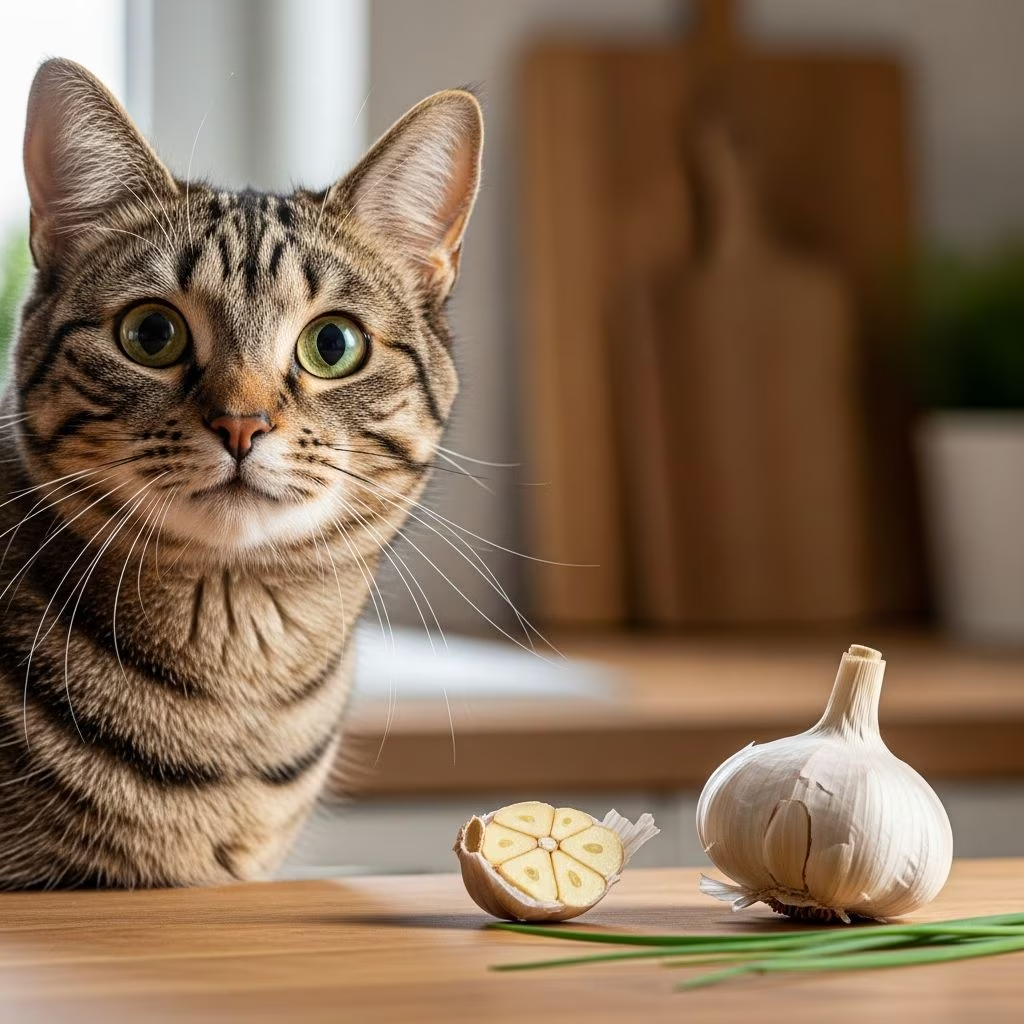
Can Cats Eat Garlic? Understanding the Dangers
Garlic is a staple ingredient in countless human recipes, prized for its flavor and perceived health benefits. However, what’s beneficial for humans can be dangerously toxic for our feline companions. Cats should never eat garlic in any form, as it poses serious health risks that pet owners must understand. Unlike some foods that cats can tolerate in small quantities, garlic requires absolute avoidance to keep your cat safe.
Garlic belongs to the Allium family, which also includes onions, leeks, chives, and scallions. While these vegetables offer nutritional benefits to humans, they are inherently toxic to cats. The toxicity level of garlic is particularly concerning—garlic is approximately five times more toxic to cats than onions are. This significant difference means that even minimal exposure to garlic can trigger serious health complications in your cat.
What Makes Garlic Toxic to Cats?
The primary culprit behind garlic’s toxicity is a compound called sodium n-propyl thiosulfate, an organic sulfur compound that wreaks havoc on feline red blood cells. When a cat ingests garlic, this toxic compound enters the bloodstream and begins attacking the red blood cells responsible for carrying oxygen throughout the body.
The mechanism of damage is particularly concerning. The sodium n-propyl thiosulfate causes red blood cells to weaken and rupture, a process that can lead to hemolytic anemia—a potentially life-threatening condition. Unlike some toxins that produce immediate effects, garlic poisoning can develop insidiously over several days, making it easy for pet owners to miss early warning signs.
It’s important to note that all forms of garlic are dangerous to cats, including:
- Fresh garlic cloves
- Minced garlic
- Garlic powder and garlic salt
- Dried garlic
- Frozen garlic
- Cooked garlic in prepared dishes
- Garlic supplements and extracts
How Much Garlic is Toxic to Cats?
One of the most alarming aspects of garlic toxicity is that very small amounts can be dangerous. There is no established safe threshold for garlic consumption in cats, which means the safest approach is complete avoidance. Research suggests that as little as one small garlic clove can be enough to poison an average-sized cat. To put this in perspective:
- Less than one small clove of fresh garlic can cause toxic effects
- Half a teaspoon of minced garlic can result in toxicity
- 1/8th of a teaspoon of garlic powder can trigger poisoning
The exact amount required to cause toxicity varies based on individual factors including your cat’s size, overall health status, and breed. Some cat breeds demonstrate heightened sensitivity to garlic and may experience severe reactions at lower exposure levels. These sensitive breeds include Burmese cats, Oriental shorthairs, Siamese cats, and Turkish Angoras.
Recognizing Symptoms of Garlic Poisoning
If your cat has accessed garlic, understanding the warning signs of poisoning is crucial for prompt veterinary intervention. Symptoms typically don’t appear immediately—they usually develop two to four days after ingestion. This delay means your cat might seem fine initially, even though garlic toxicity is developing internally.
Common symptoms of garlic poisoning in cats include:
- Nausea and loss of appetite
- Vomiting and diarrhea
- Drooling and mouth irritation
- Abdominal or stomach pain
- Weakness and lethargy
- Fatigue and depression
- Pale gums indicating anemia
- Discolored urine (brown or reddish tint)
- Rapid or labored breathing
- Panting
- Potential collapse in severe cases
The gastrointestinal symptoms occur because garlic causes irritation and ulceration to the digestive tract lining. Meanwhile, the anemia-related symptoms develop as red blood cells are damaged and their oxygen-carrying capacity diminishes.
Can Cats Eat Food Cooked With Garlic?
A common misconception among pet owners is that garlic becomes safe once it’s cooked or incorporated into other foods. This is absolutely false. Cooking garlic does not eliminate its toxic compounds—the sodium n-propyl thiosulfate remains present and dangerous regardless of preparation method. This means cats should never consume:
- Meat seasoned with garlic
- Garlic bread
- Cooked dishes containing garlic
- Broths or sauces with garlic
- Any prepared foods listing garlic as an ingredient
When preparing meals for your household, ensure that any human food offered to your cat has been prepared separately without garlic or other Allium family members. Never assume that because a food is “mostly safe” that small amounts of garlic within it are acceptable. The safest practice is to prepare all cat meals without any condiments or seasonings.
Addressing the Garlic and Flea Myth
Pet owners sometimes encounter the persistent myth that garlic can naturally prevent or eliminate fleas in cats and dogs. This is completely false and potentially dangerous. Not only does garlic fail to protect cats from fleas, but feeding it to your cat for this purpose would actively harm them. There are no known benefits to feeding garlic to cats in any form.
If your cat has fleas, consult your veterinarian for safe, effective treatments. Modern flea prevention options are far more reliable and won’t endanger your pet’s health.
Understanding Garlic Toxicity in Cats
Garlic toxicity occurs when a cat has consumed garlic, and it results in a cascade of harmful effects throughout the body. The condition requires immediate attention because it can progress rapidly and become life-threatening. The toxin damages red blood cells in multiple ways:
- Cellular Damage: Sodium n-propyl thiosulfate weakens red blood cell membranes, causing them to rupture and release their contents.
- Hemolytic Anemia: As red blood cells break down, the body cannot produce new cells fast enough to compensate, leading to anemia.
- Oxygen Deprivation: With fewer healthy red blood cells, less oxygen reaches vital organs and tissues.
- Cardiovascular Stress: The heart works harder to pump remaining cells, and garlic compounds can directly affect heart vessel function.
- Gastrointestinal Damage: Simultaneously, garlic irritates and ulcerates the digestive tract lining.
What to Do If Your Cat Eats Garlic
If you discover or suspect your cat has consumed garlic, don’t wait for symptoms to develop. Contact your veterinarian immediately, even if your cat appears completely normal. Provide your vet with:
- The estimated amount of garlic consumed
- The form of garlic (fresh, powder, cooked, etc.)
- The time of ingestion, if known
- Your cat’s weight and overall health status
Early veterinary intervention can make a significant difference in outcomes. Your veterinarian may recommend monitoring, supportive care, blood tests, or other treatments depending on the amount ingested and your cat’s condition.
Is Garlic Used in Commercial Cat Food?
Pet owners can feel confident that reputable commercial cat food manufacturers do not include garlic in their products. Cats are obligate carnivores, meaning they require meat-based diets to thrive. Commercial feline nutrition typically features high proportions of meat and meat derivatives, with fruits and vegetables playing minimal roles since cats don’t digest plant materials efficiently.
Given garlic’s toxicity, it would never appear in properly formulated cat food. Always read ingredient labels and choose foods from manufacturers with strong quality standards and nutritional expertise.
Protecting Your Cat From Garlic Exposure
Since cats are naturally curious and may investigate household items, proactive prevention is essential. Follow these strategies to keep garlic away from your feline friend:
- Store fresh garlic, garlic powder, and garlic supplements in secure cabinets or high shelves
- Never leave prepared foods containing garlic within your cat’s reach
- Be cautious when cooking with garlic—the aroma may attract curious cats
- Inform family members and visitors about garlic toxicity to prevent accidental exposure
- Be especially vigilant around holidays when garlic-containing dishes are common
- Clean up food scraps immediately after meal preparation
- Supervise outdoor cats to prevent access to wild garlic plants
Frequently Asked Questions About Garlic and Cats
Q: What happens if a cat eats a little garlic?
A: Even small amounts of garlic can be toxic to cats. Symptoms may take days to develop, so if you suspect your cat has eaten any garlic, contact your veterinarian immediately, even if your cat appears well. Don’t wait to see if symptoms develop—early intervention is critical.
Q: Will garlic hurt cats?
A: Yes, garlic is highly toxic to cats and can cause severe illness. It can lead to digestive upset, life-threatening anemia, heart problems, and other serious complications. There is no safe amount of garlic for cats to consume.
Q: Can cats eat garlic supplements?
A: Absolutely not. Garlic supplements, whether for pets or humans, are concentrated and even more dangerous to cats than fresh garlic. Never give your cat any garlic-containing supplement without explicit veterinary approval—which is highly unlikely to be given due to garlic’s toxicity.
Q: Are some cats immune to garlic toxicity?
A: No cats are immune to garlic toxicity. While individual cats may vary in how quickly symptoms develop based on size, health, and breed, all cats are susceptible to harm from garlic. Breeds like Siamese, Burmese, and Oriental shorthairs may be particularly sensitive.
Q: Is garlic ever used in cat treats?
A: Reputable cat treat manufacturers do not include garlic in their products due to its toxicity. Always check ingredient labels carefully, and purchase treats from established companies with strong safety standards.
Q: What are safer flavor alternatives for cat food?
A: Cats don’t require seasoning for enjoyment. Focus on high-quality proteins and consult your veterinarian about safe vegetables or supplements if you want to enhance your cat’s diet. Most cats are satisfied with plain, properly cooked meat.
References
- Can Cats Eat Garlic? A Guide to Safety — Purina US. Updated July 28, 2025. https://www.purina.com/articles/cat/feeding/can-cats-eat/garlic
- Can Cats Eat Garlic? — Cats.com. https://cats.com/can-cats-eat-garlic
- My Cat Ate Garlic Bread! Here’s What to Do (Vet Answer) — Catster. https://www.catster.com/ask-the-vet/cat-ate-garlic-bread-what-to-do/
- Garlic Toxicity in Cats: Vet-Approved Signs, Care Tips & FAQ — Catster. https://www.catster.com/nutrition/garlic-toxicity-in-cats/



