

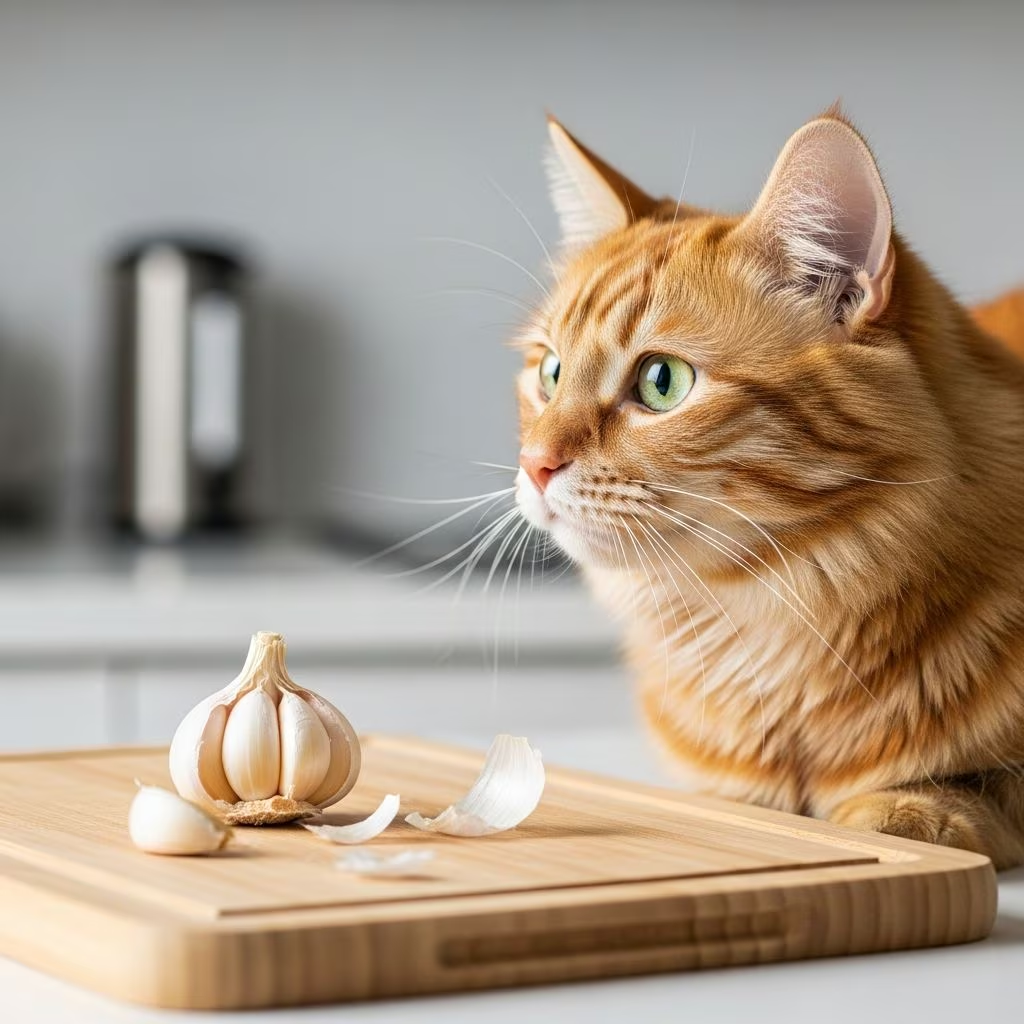
Garlic adds flavor to human meals, but it poses serious risks for cats. All sources unanimously agree: cats cannot safely eat garlic in any form. Belonging to the Allium family—alongside onions, leeks, chives, and shallots—garlic contains toxic sulfur compounds like thiosulfates and disulfides that cats’ bodies cannot metabolize. These compounds damage red blood cells, leading to hemolytic anemia, a potentially fatal condition where oxygen delivery to organs is impaired.
Cats are particularly vulnerable compared to dogs due to their smaller size and unique metabolism. Even tiny amounts, such as a single clove or trace garlic powder, can trigger toxicity. This article covers why garlic is dangerous, toxicity thresholds, symptoms, treatment, prevention, and safe alternatives, drawing from veterinary-reviewed sources.
Why Is Garlic Toxic to Cats?
Garlic’s toxicity stems from compounds like sodium n-propyl thiosulfate and thiosulfates, which cats lack the enzymes to break down. When ingested, these oxidize hemoglobin in red blood cells, causing hemolysis—the rupture and destruction of these vital cells.
Hemolytic anemia reduces the blood’s oxygen-carrying capacity, starving tissues and organs. Effects range from mild gastrointestinal upset to life-threatening collapse. Cats are 3-5 times more sensitive to garlic than onions, making it especially potent.
- Oxidative damage: Sulfur compounds attack red blood cell membranes.
- Anemia progression: Cells burst faster than the body can replace them.
- Organ impact: Heart, lungs, kidneys, and brain suffer from oxygen deprivation.
Veterinarians emphasize that no amount is safe; toxicity builds cumulatively with repeated exposure.
How Much Garlic Is Toxic to Cats?
There is no safe dose of garlic for cats. Research indicates toxicity at approximately 1 gram per kilogram of body weight, far lower than for onions (5g/kg). A standard garlic clove weighs 3-7 grams, so one clove could poison a 5kg (11lb) cat.
| Cat Weight | Toxic Garlic Amount (approx.) |
|---|---|
| 4kg (9lb) | 4g (less than 1 clove) |
| 5kg (11lb) | 5g (1 small clove) |
| 6kg (13lb) | 6g (1 medium clove) |
Concentrated forms like garlic powder or salt are even more dangerous—197mg of powder equals one clove’s toxicity. Factors like breed (e.g., Siamese, Burmese more sensitive), age, and health amplify risks.
Symptoms of Garlic Poisoning in Cats
Symptoms may appear within hours (GI issues) or 3-5 days (anemia). Early detection is critical.
- Gastrointestinal: Vomiting, diarrhea, abdominal pain, loss of appetite.
- Early anemia signs: Lethargy, weakness, pale gums, rapid breathing.
- Severe symptoms: Dark urine (hemoglobinuria), collapse, jaundice, increased heart rate.
If untreated, it leads to organ failure. Contact a vet immediately if exposure is suspected.
What to Do If Your Cat Eats Garlic
Act fast: Do not induce vomiting without vet guidance, as it can worsen damage. Rush to an emergency vet.
- Call poison control or vet: Provide details on amount, time, and cat’s weight.
- Veterinary interventions: Induce vomiting (if safe), activated charcoal to bind toxins, IV fluids for support.
- Anemia treatment: Blood transfusions in severe cases, oxygen therapy, antioxidants like N-acetylcysteine.
- Monitoring: Blood tests track red cell count recovery over days/weeks.
Prognosis is good with prompt care; delays increase fatality risk.
Is Any Form of Garlic Safe for Cats?
No form is safe. Common myths debunked:
- Cooked garlic: Equally or more dangerous—easier to eat large amounts.
- Garlic powder/salt: Highly concentrated; smaller doses toxic.
- Garlic bread/supplements: Even traces harmful; regular exposure builds anemia.
- Baby food/jars: Often contain garlic/onions—avoid.
Safe Alternatives to Garlic for Cats
Skip garlic entirely. Cats thrive on meat-based diets. Safe flavor enhancers:
- Fresh meats: Chicken, turkey, fish (cooked, unseasoned).
- Cat-safe herbs: Catnip, valerian, wheatgrass.
- Commercial foods: AAFCO-approved complete diets.
Avoid Allium family entirely. Consult vets for supplements.
Prevention Tips: Keeping Garlic Away from Cats
Proactive steps prevent accidents:
- Store garlic, spices, and meals out of reach.
- No table scraps or sharing food.
- Label human foods with garlic.
- Educate household on risks.
- Supervise cooking; clean counters.
Frequently Asked Questions (FAQs)
Can cats eat garlic bread?
No, garlic bread is toxic due to garlic content. One bite risks poisoning; regular feeding causes anemia.
Is garlic powder safe for cats?
No, it’s more concentrated and toxic in tiny amounts.
How long do garlic poisoning symptoms take to show?
GI: 1 day; anemia: 3-5 days.
Can a little bit of garlic hurt my cat?
Yes—even small amounts damage red blood cells.
What breeds are most sensitive to garlic?
Siamese, Burmese, and smaller breeds.
References
- Can Cats Eat Garlic? — Chewy. 2023. https://www.chewy.com/education/cat/food-and-nutrition/can-cats-eat-garlic
- Can Cats Eat Garlic? Vet-Reviewed Risks & FAQ — Catster. 2024. https://www.catster.com/nutrition/can-cats-eat-garlic/
- Can cats eat garlic? Get the answer NOW! — Untamed. 2024. https://untamed.com/blogs/nutrition/can-cats-eat-garlic
- Can Cats Eat Garlic? A Guide to Safety — Purina US. 2024. https://www.purina.com/articles/cat/feeding/can-cats-eat/garlic
- Onion and Garlic Poisoning in Cats — PDSA (UK veterinary charity). 2023. https://www.pdsa.org.uk/pet-help-and-advice/pet-health-hub/other-veterinary-advice/onion-and-garlic-poisoning-in-cats
- Can Cats Eat Garlic? Vet-Approved Guide — Ask A Vet. 2025. https://askavet.com/blogs/news/can-cats-eat-garlic-vet-approved-guide-on-garlic-toxicity-treatment-safety-2025



