

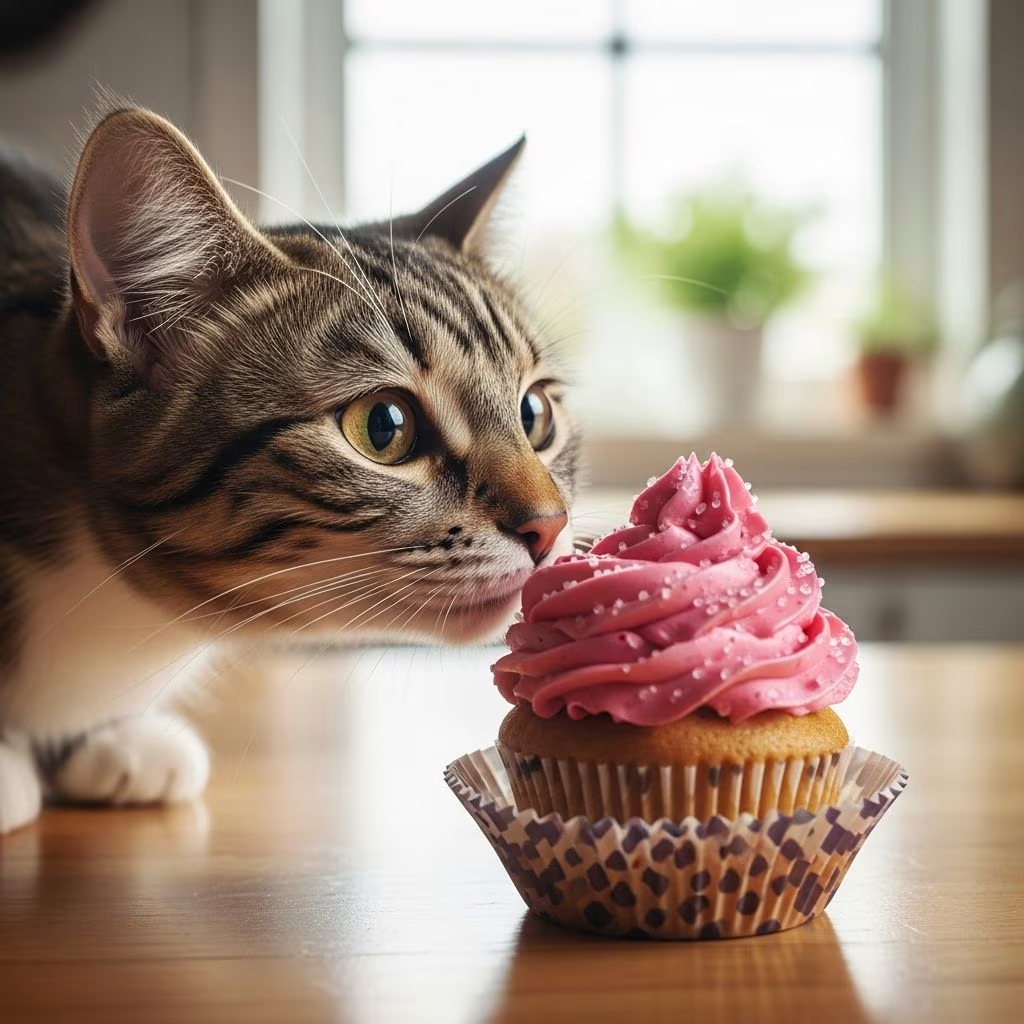
Cats should not eat frosting regularly, as it is high in sugar and fat, which can lead to digestive upset, obesity, and other health issues. While a small lick might not cause immediate harm, certain types like chocolate frosting are toxic and must be avoided entirely.
Can Cats Digest Frosting?
Cats are obligate carnivores with digestive systems designed for meat, not sweets or dairy. Frosting, typically loaded with sugar, fats, and sometimes dairy, poses challenges for feline digestion. A small taste may pass without issue, but larger amounts can trigger vomiting, diarrhea, or stomach upset.
Many adult cats are lactose-intolerant, meaning they lack the enzyme to break down lactose in dairy-based frostings. This can result in gastrointestinal distress 8-12 hours after consumption, including bloating, gas, and loose stools.
Cats also lack sufficient taste receptors for sweetness, so they don’t crave sugar like humans do. Regular exposure to sugary foods like frosting can contribute to long-term problems such as diabetes, dental disease, and weight gain.
The 3 Frosting Types That Cats Should Never Eat
Not all frostings are created equal; some contain outright toxic ingredients for cats. Here are the three most dangerous types to avoid completely:
1. Chocolate Frosting
Chocolate frosting is highly toxic due to theobromine and caffeine, compounds cats metabolize poorly. Dark chocolate and baking chocolate, common in homemade frostings, are the most dangerous. Even white chocolate carries risks.
Symptoms of chocolate toxicity appear 6-12 hours after ingestion and include:
- Vomiting and diarrhea
- Restlessness and panting
- Increased thirst and urination
- Muscle tremors or seizures
- Fast heart rate
- Coma in severe cases
If your cat consumes chocolate frosting, contact a vet immediately. Do not wait for symptoms.
2. Frosting with Artificial Sweeteners (e.g., Xylitol)
While common sweeteners like saccharin, stevia, sucralose, and aspartame are not highly toxic, xylitol—a sugar alcohol in some sugar-free frostings—can cause severe hypoglycemia (low blood sugar) and liver failure in cats. Even small amounts are dangerous.
Gastrointestinal upset like vomiting and diarrhea may occur with other sweeteners in large quantities, but xylitol warrants emergency care.
3. Peanut Butter Frosting
Peanut butter frosting isn’t inherently toxic if chocolate-free, but its high fat, calorie, and sodium content can lead to pancreatitis, stomach aches, and obesity. Sticky texture poses a choking risk, and rare peanut allergies may cause swelling, itching, or breathing issues.
Cats gain no nutritional benefit from peanut butter, so it’s best avoided.
What About Icing?
Icing differs from frosting: it’s primarily powdered sugar and hardens when dry, used for cookie decorations. Lower in fat than creamy frosting, icing still packs excessive sugar and calories, risking weight gain and obesity-related issues like diabetes and joint problems.
While less likely to cause immediate vomiting or diarrhea due to reduced fat, icing offers no health benefits and should not be a treat.
Health Risks of Feeding Cats Frosting Regularly
Beyond acute toxicity, habitual frosting consumption harms cats in multiple ways:
- Obesity: High calories lead to fat accumulation, straining heart, joints, and organs.
- Digestive Issues: Sugar and fat overload causes chronic diarrhea, vomiting, and inflammation.
- Dental Problems: Sticky sugars promote plaque and tartar buildup.
- Diabetes: Excess sugar disrupts insulin regulation over time.
- Pancreatitis: High-fat content inflames the pancreas.
A balanced, meat-based diet meets all feline needs. Human sweets disrupt this balance.
Safe Alternatives to Frosting for Cats
Skip frosting and opt for cat-safe treats:
- Commercial cat treats formulated for nutrition.
- Small pieces of cooked, plain chicken or fish (no seasoning).
- Catnip or silver vine for fun without calories.
- Freeze-dried meat treats.
Consult your vet for personalized recommendations based on your cat’s health and weight.
What Should You Do If Your Cat Eats Frosting?
Assess the amount and type:
| Amount/Type | Action |
|---|---|
| Small lick, safe ingredients | Monitor for 24 hours; ensure water access. |
| Large amount or dairy-based | Watch for vomiting/diarrhea; withhold food briefly. |
| Chocolate, xylitol, or toxic | Contact vet or pet poison hotline immediately. |
Never induce vomiting without vet guidance. Provide details like frosting type and quantity.
Frequently Asked Questions (FAQs)
Can cats eat sweets like frosting occasionally?
A tiny taste of safe frosting rarely causes harm, but regular sweets lead to health issues. Stick to cat-specific treats.
What if my cat licked chocolate frosting?
Chocolate is toxic; monitor for symptoms like vomiting or tremors and seek vet care promptly.
Is icing safer than frosting for cats?
Icing has less fat but high sugar, still risking obesity. Neither is recommended.
Are there frosting recipes safe for cats?
No true ‘frosting’ is healthy; use meat purees or vet-approved purees for topping kibble.
How can I prevent my cat from eating frosting?
Store sweets securely, clean counters, and distract with toys during baking.
Conclusion
Frosting tempts curious cats, but it’s largely unsafe due to sugar, fat, dairy, and toxins like chocolate or xylitol. A lick won’t doom your pet, but prevention is key. Prioritize species-appropriate nutrition for a healthy, happy cat. When in doubt, consult your veterinarian.
References
- Can Cats Eat Frosting? Vet-Reviewed Facts & Safety Guide — Hepper. 2024. https://articles.hepper.com/can-cats-eat-frosting/
- Cat Licked Frosting Effects — Dial A Vet. 2024. https://www.dialavet.com/vet-answers/cat-licked-frosting-effects-26586
- Cats and Chocolate: What You Should Know — VRA Vet. 2023-01-30. https://www.vravet.com/site/blog/2023/01/30/cats-and-chocolate-what-you-should-know-if-your-cat-eats-chocolate
- Can Cats Eat This?: Human Foods Pets Can and Cannot Eat — DAK Pets. 2024. https://dakpets.com/blogs/news/can-cats-eat-this-human-foods-pets-can-and-cannot-eat



