

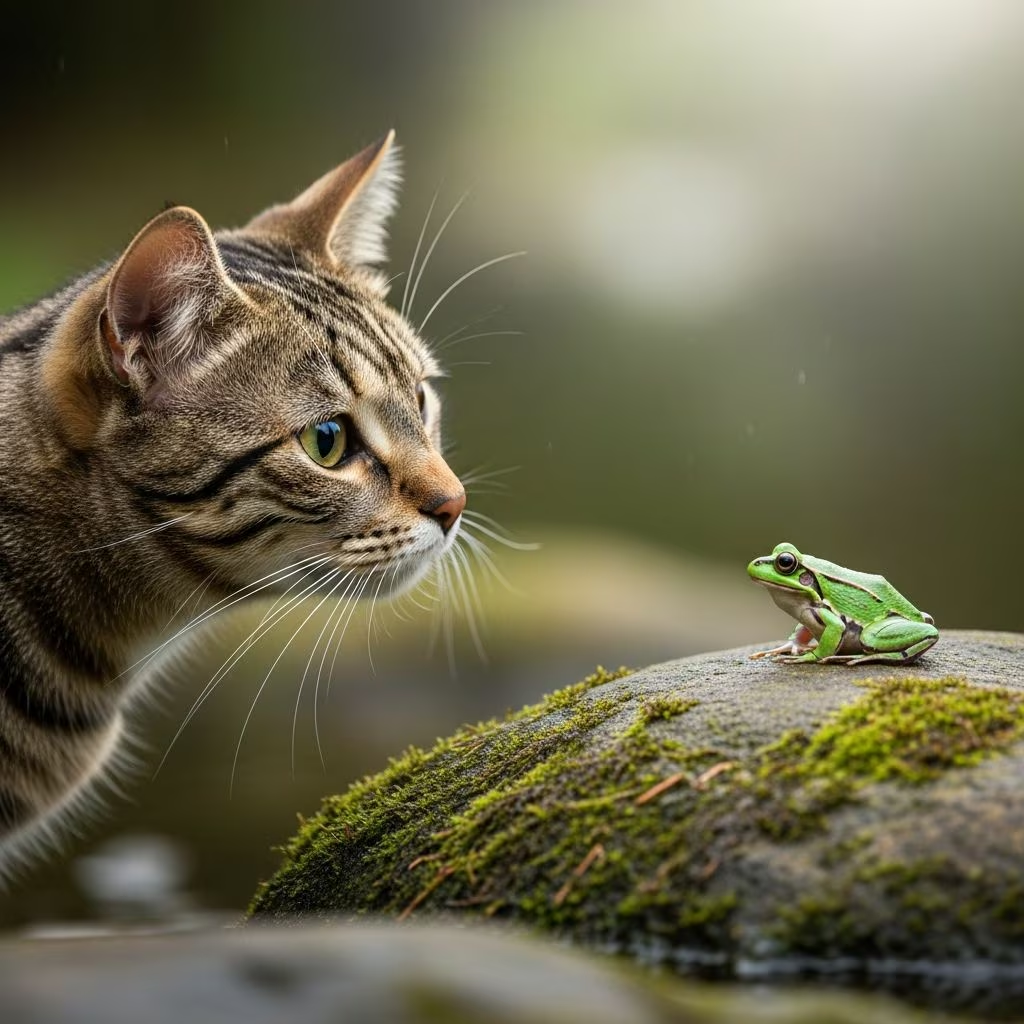
Can Cats Eat Frogs? A Complete Vet-Reviewed Guide
Cats are natural predators with an instinctive drive to hunt small animals, and frogs are among the creatures they may encounter outdoors. If you’ve ever wondered whether your feline friend can safely consume a frog, the answer is nuanced. While most frogs are not toxic and pose minimal risk to cats, the danger lies in distinguishing between safe frog species and toxic alternatives. Understanding the safety considerations, nutritional aspects, and preventative measures can help you protect your cat from potential harm.
Yes, Cats Can Eat Frogs—But With Important Caveats
Most non-toxic frogs are safe for cats to consume and will cause nothing more than mild digestive upset at worst. Cats have been eating frogs and other small prey animals for thousands of years, and their digestive systems are naturally equipped to handle such food sources. If a frog is not toxic or poisonous, there is very minimal risk of a froggy snack causing serious harm to your feline companion.
However, the critical caveat is that not all frogs are safe for cats to eat. The toxic varieties tend to be concentrated in specific geographic regions, particularly tropical climates near the equator. Most cat owners living in temperate zones need not worry excessively, as toxic frogs are relatively rare in North America. The most well-known toxic frog worldwide is the poison dart frog, which contains potent toxins on its skin as a defense mechanism.
Understanding the Difference Between Frogs and Toads
One of the most critical distinctions for cat owners to understand is the difference between frogs and toads. Many people mistakenly use these terms interchangeably, but they represent different animals with vastly different risks to your cat.
Toads pose a significantly greater threat to cats than frogs. There are numerous poisonous toad species found throughout the United States and Canada, far more than the relatively small number of toxic frogs in North America. Many of these toads can cause severe illness or even death if ingested or even merely licked by cats and dogs. This makes encountering a toad far more dangerous than encountering a typical frog.
Key differences between frogs and toads include:
- Toads have bumpy, dry skin; frogs have smooth, moist skin
- Toads are terrestrial and stockier; frogs are more aquatic and streamlined
- Toads secrete toxins as a defense; most frogs do not
- Toads move by walking; frogs move by hopping
Understanding these distinctions and knowing which amphibians are native to your region is essential for protecting your cat from dangerous encounters.
Toxic Frogs and Geographic Considerations
The distribution of toxic frogs is heavily influenced by geography. Most toxic frogs are found in tropical regions near the equator, where humid jungle environments provide ideal conditions for these species. In North America, the number of genuinely toxic frogs is remarkably small, which means many cat owners can allow their outdoor cats some freedom without extreme concern about frog toxicity.
However, if you live in an area known to contain toxic frog species, heightened vigilance is necessary. Learning to identify dangerous species in your local area and educating yourself about their appearance, habitat, and toxicity level can help you protect your cat effectively. If you spot potentially dangerous frogs around your home or neighborhood, preventing outdoor access or closely supervising your cat becomes crucial.
Nutritional Benefits of Frogs for Cats
Beyond safety considerations, there’s an interesting nutritional dimension to frog consumption for cats. Eating frogs actually provides cats with significant nutritional benefits, which explains why they remain attractive prey items for felines in the wild.
Frogs are a natural food source for cats in wild and feral populations, and they contribute valuable nutrients to a feline diet. The complete nutrition comes not just from the muscle meat, but from consuming the entire animal. The skin, bones, cartilage, eyeballs, and entrails of a frog provide essential nutrients that domestic cats would otherwise need to obtain from commercial pet food or supplements.
Key nutritional components that frogs provide to cats include:
- Complete proteins with essential amino acids, including taurine
- Calcium and phosphorus from bones and cartilage
- Vital vitamins and minerals
- Digestive enzymes and beneficial gut bacteria from entrails
- Natural fiber and other micronutrients
This is why nutritionists caution against feeding cats a diet consisting solely of muscle meat. Muscle meat lacks the balanced nutrient profile that whole-prey feeding provides. A cat eating a whole frog receives a more complete nutritional package than a cat eating only prepared ground meat.
Digestive Considerations and Individual Variation
Not all cats will digest a frog without experiencing some gastrointestinal upset. A cat’s ability to digest frogs depends largely on their dietary history and what their digestive system is accustomed to processing.
Cats that are avid hunters and regularly consume live prey will typically digest a frog without any issues. Their digestive systems are adapted to processing whole animals and can efficiently break down all components. Conversely, if a cat is not accustomed to hunting or eating live prey, consuming a frog might pose a challenge to their digestive system. These cats may experience vomiting, diarrhea, or mild digestive upset.
Indoor cats that primarily eat commercial cat food may have digestive systems less equipped to handle whole-prey items than their outdoor or semi-outdoor counterparts. This is an important consideration when evaluating whether your individual cat might safely consume a frog.
Wild Cats Versus Domestic Cats: Consumption Patterns
Wild and feral cats consume frogs in much greater numbers than domesticated house cats. In fact, many domestic cats show little interest in actually eating frogs, despite their hunting instincts.
This difference stems from fundamental differences in living conditions and nutritional needs. Domesticated house cats have full bellies and receive regular, complete meals from their owners. They don’t need to eat frogs or other small prey to sustain themselves. As a result, many domestic cats will play with frogs, toads, and lizards if given the opportunity, but rarely eat them. The hunting instinct remains strong, but the nutritional drive is absent.
Wild cats, by contrast, view frogs as valuable protein sources and will actively hunt and consume them when available. For feral and wild cats, frogs provide essential vitamins, minerals, and proteins necessary for survival.
Signs of Frog or Toad Poisoning in Cats
If you suspect your cat has ingested a toxic frog or toad, recognizing the symptoms of poisoning is crucial for prompt veterinary intervention. Symptoms of amphibian toxin ingestion can range from mild to severe, depending on the species involved and the amount of toxin absorbed.
Common signs of frog or toad poisoning in cats include:
- Excessive salivation and drooling
- Vomiting and diarrhea
- Abdominal distention and pain
- Loss of appetite
- Lethargy and weakness
- Hiding and behavioral changes
- Fever
- Jaundice (yellowing of the skin and eyes)
- Changes in heart rate and abnormal heart rhythms
- Neurological signs including tremors or seizures
- Respiratory distress
If you observe any of these symptoms following a potential frog or toad encounter, contact your veterinarian immediately. Even if you’re uncertain whether your cat ate a toxic species, it’s better to err on the side of caution and seek professional medical evaluation.
How to Prevent Your Cat From Eating Frogs
Prevention is always preferable to dealing with the consequences of accidental toxin ingestion. Several strategies can help reduce the likelihood of your cat hunting and consuming frogs.
Ensuring your cat receives ample nutrition is the primary preventative strategy. Cats that are deficient in essential nutrients like iron or protein may be more inclined to hunt and eat small animals to supplement their diet. By providing high-quality cat food packed with sufficient animal protein and meat content, you reduce the nutritional motivation for hunting.
Additional prevention strategies include:
- Upgrading your cat’s diet to premium food with higher protein and animal meat content
- Supervising outdoor time, especially during peak frog seasons
- Removing standing water and amphibian habitats from your property when possible
- Installing barriers or screens to limit access to areas where frogs congregate
- Using motion-activated sprinklers or lights to discourage frogs from your yard
- Reducing outdoor hunting opportunities for indoor-outdoor cats
Frogs in the Diet of Outdoor Cats: Research Findings
Scientific research provides interesting insights into how commonly frogs actually appear in feline diets. Frogs are surprisingly difficult to detect in dietary studies because they lack easily identifiable remains like feathers, fur, or scales. This makes precise quantification challenging for researchers.
In fecal analysis studies from 2015 and 2019, frog DNA was detected in only 2% of cats known to have eaten frogs, suggesting that traditional fecal analysis significantly underestimates frog consumption. Studies using stomach content analysis or wildlife camera footage capture higher detection rates.
In Australia, where comprehensive studies have been conducted, as many as 13% of native frog species (approximately 30 different kinds) have been recorded as part of cats’ diets. Some Australian cats consumed between 1 and 44 frogs per year on average, with remarkable variation between individuals. One remarkable case documented a cat’s stomach containing the remains of 70 frogs, while another study recorded a cat catching 35 frogs in just 58 hours.
Frequently Asked Questions
Q: Are all frog species toxic to cats?
A: No, most frog species are not toxic to cats. Only a relatively small number of frog species contain toxins, primarily those found in tropical regions. The poison dart frog is the most well-known toxic species, but it is rarely encountered in most parts of North America.
Q: What should I do if my cat eats a frog?
A: If your cat eats a non-toxic frog, typically no intervention is needed. However, if you suspect your cat has eaten a potentially toxic frog or a toad, contact your veterinarian immediately. Monitor your cat for symptoms like excessive drooling, vomiting, diarrhea, lethargy, or behavioral changes.
Q: Can I tell if a frog is poisonous just by looking at it?
A: Appearance alone is not always reliable for determining toxicity. Learning about the specific frog and toad species native to your region is the best approach. Consult local wildlife guides or contact your local animal control for identification help.
Q: Are toads more dangerous than frogs for cats?
A: Yes, absolutely. There are far more toxic toad species than toxic frog species in North America. Many toads can cause severe illness or death if ingested or even licked by cats, making toads significantly more dangerous than frogs.
Q: Will my cat’s digestive system handle a frog?
A: If your cat is an avid hunter accustomed to eating live prey, they will likely digest a frog without issues. However, indoor cats unused to hunting may experience mild digestive upset including vomiting or diarrhea.
Q: Should I prevent my cat from eating frogs?
A: If you live in an area with toxic frog or toad species, yes. If your region lacks dangerous amphibians, prevention is less critical. Ensuring your cat receives proper nutrition can reduce hunting motivation in all cases.
Conclusion
Cats can eat frogs, and for most cat owners, the occasional frog consumption by their feline companion poses minimal risk. As long as the frog in question is not toxic or poisonous, nothing prevents a cat from consuming a frog as a natural snack. The key to keeping your cat safe lies in understanding your local amphibian species, recognizing the important distinction between frogs and toads, and knowing the warning signs of toxin ingestion.
Fortunately, genuinely poisonous frogs dangerous to cats are confined largely to tropical regions near the equator, leaving most North American cat owners with little cause for concern. However, numerous poisonous toad species exist in the United States and Canada, making toad encounters far more worrisome than frog encounters. By learning to identify the amphibians native to your area, ensuring your cat receives complete nutrition, and supervising outdoor time when possible, you can allow your cat to express natural hunting behaviors while minimizing genuine risks. Should your cat encounter a potentially dangerous amphibian, knowing the symptoms of toxin exposure and having quick access to veterinary care ensures the best possible outcome.
References
- Can Cats Eat Frogs? Vet-Reviewed Safety Facts — Catster. 2025. https://www.catster.com/nutrition/can-cats-eat-frogs/
- The Natural Composition of a Cat’s Diet – Whole Prey — Raw Petfood. 2025. https://raw-petfood.pl/en/blog/the-natural-composition-of-a-cats-diet-whole-prey-1750921408.html
- Are Frogs Poisonous To Dogs or Cats? — A-Z Animals. https://a-z-animals.com/blog/are-frogs-poisonous-to-dogs-or-cats/
- What to Do If Your Cat Eats a Lizard or Frog — PetMD. https://www.petmd.com/cat/emergency/poisoning-toxicity/what-do-if-your-cat-eats-lizard-or-frog
- Toad Poisoning in Cats — VCA Animal Hospitals. https://vcahospitals.com/know-your-pet/toad-poisoning-in-cats



