

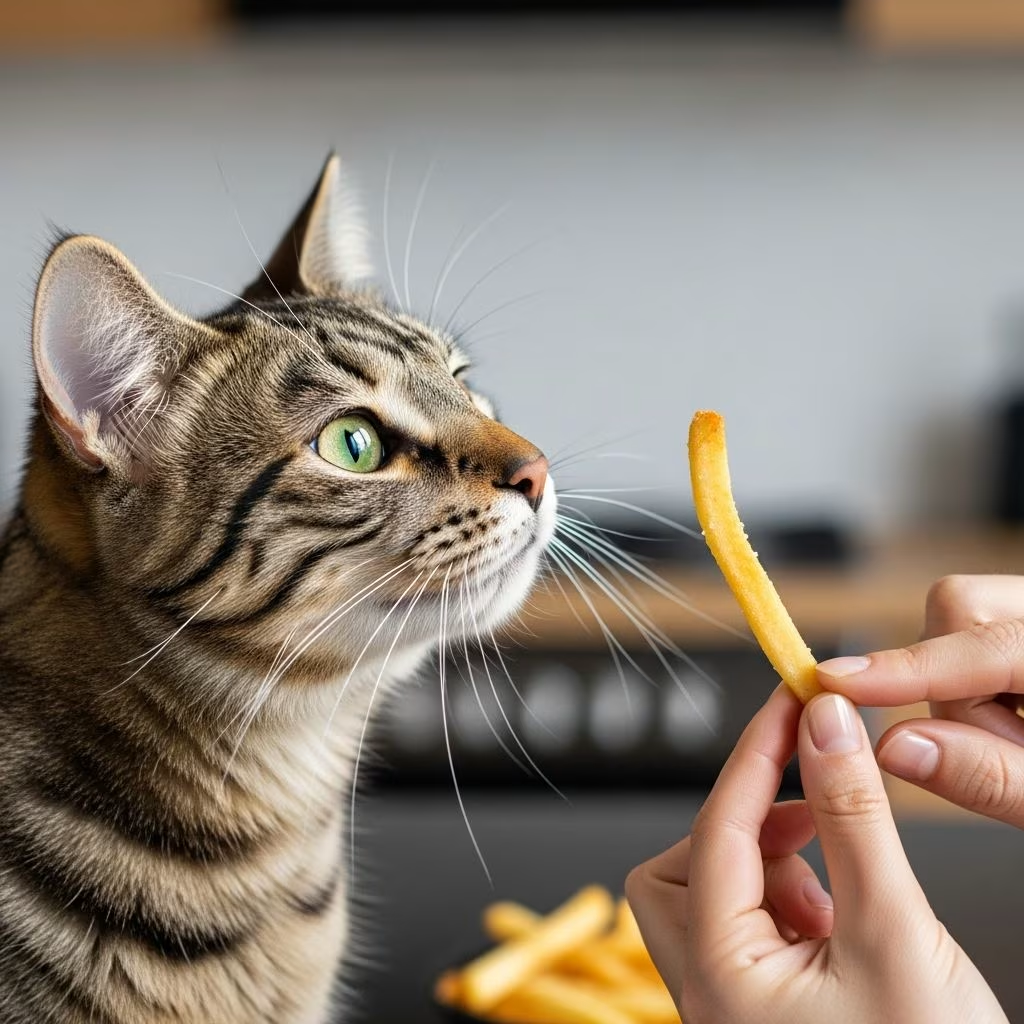
Can Cats Eat French Fries? Vet-Verified Nutritional Facts & Health Risks
As a cat owner, you might be tempted to share your favorite snacks with your feline companion, but when it comes to French fries, the answer is clear: cats should not eat French fries. While the occasional French fry isn’t going to do your healthy cat much harm as long as it isn’t covered in salt and sauce, these crispy treats pose several health risks that make them unsuitable for regular consumption by cats. Understanding why French fries are problematic for cats requires examining their nutritional composition and how cats’ digestive systems process these foods.
Why French Fries Are Bad for Cats
French fries are fundamentally incompatible with feline dietary needs. Cats are obligate carnivores, meaning their bodies are designed to thrive on meat-based proteins rather than carbohydrates and fats found in fried potato products. The nutritional profile of French fries contains several elements that can compromise your cat’s health:
- High Fat Content: French fries are deep-fried in oil, making them extremely high in fat that your cat’s digestive system isn’t equipped to handle efficiently.
- Excessive Salt: The high sodium content in French fries can lead to electrolyte imbalances and sodium poisoning in cats.
- Empty Carbohydrates: Potatoes are carbohydrate-rich, providing no nutritional benefit to obligate carnivores while contributing to weight gain.
- Toxic Additives: Many French fries contain seasonings like garlic and onion powder, which are highly toxic to cats.
Health Risks Associated with French Fries
Pancreatitis
One of the most serious health risks associated with French fry consumption in cats is pancreatitis. This condition involves inflammation of the pancreas gland and has been directly linked to high-fat foods. When a cat consumes fatty foods like French fries, the pancreas becomes inflamed, leading to severe symptoms including reduced appetite, abdominal pain, vomiting, and diarrhea. Pancreatitis can be extremely painful and may require emergency veterinary care.
Obesity and Related Complications
Regular consumption of French fries can contribute significantly to obesity in cats. The combination of high fat and carbohydrate content adds unnecessary calories to your cat’s diet without providing nutritional value. Obesity in cats increases the risk of multiple health conditions, including diabetes, arthritis, and heart disease. Once a cat becomes overweight, managing their eating habits and weight loss becomes considerably more challenging.
Digestive Upset
Cats have sensitive digestive systems optimized for processing meat, not fried foods. When exposed to the high fat and carbohydrate content of French fries, cats commonly experience gastrointestinal disturbances. Even a small serving of fries can trigger vomiting, diarrhea, or gas within hours. Cats with particularly sensitive stomachs may react even more strongly to just a few pieces of French fries.
Salt Poisoning
French fries contain significant levels of sodium, which can lead to salt poisoning in cats if consumed in large quantities. While it’s unlikely that a cat would eat enough French fries to cause severe salt poisoning, elevated sodium levels can still cause serious health issues. Symptoms of salt poisoning include excessive thirst and urination, lethargy, reduced appetite, and tremors. Additionally, high sodium consumption increases the risk of heart disease and high blood pressure in cats.
Solanine Toxicity in Potatoes
Another critical concern with French fries is the presence of solanine, a naturally occurring toxic compound found in raw and undercooked potatoes. When potatoes are raw, they contain significant levels of solanine, which is toxic to humans and most mammals, including cats. Although cooking reduces solanine levels, the cooking temperature used for French fries is not sufficient to reduce solanine to safe levels for cats.
The solanine concentration is particularly high in the potato skin and in green or underripe potatoes. If your cat were to consume raw or undercooked French fries, or fries made from green potatoes, the solanine toxicity risk is considerably elevated. To make potatoes safe for cats, they would need to be roasted in a hot oven rather than fried in oil—a preparation method that defeats the purpose of eating French fries.
Dangerous Seasonings and Toppings
Beyond the potatoes themselves, the seasonings and toppings commonly added to French fries pose additional risks to cats. Many commercial French fry preparations include ingredients that are toxic to felines:
- Garlic and Onion Powder: These are among the most dangerous seasonings for cats, capable of damaging red blood cells and leading to anemia, organ failure, and even death.
- Ketchup: Often contains garlic and onion, making it toxic to cats.
- Mayonnaise: High in fat and salt, further exacerbating the health risks.
- Barbecue Sauce: Typically contains multiple problematic ingredients for feline health.
- Crispy Onions: Some French fry preparations include crispy onion toppings, which are toxic to cats.
Even homemade French fries prepared without these seasonings still contain the problematic combination of oil and salt that makes them unsuitable for cats.
What to Do If Your Cat Ate French Fries
If your cat accidentally consumed one or two cooked French fries without heavy seasoning, the risk of serious health consequences is minimal. However, the appropriate response depends on several factors:
Minor Exposure
If your cat stole a single French fry or ate just a couple of pieces, you don’t need to panic. Monitor your cat for any signs of digestive problems, including vomiting, diarrhea, or changes in appetite. Ensure your cat has plenty of fresh water available at all times to aid digestion and prevent dehydration.
Higher Risk Situations
The risk of adverse effects is significantly higher if the French fries were raw, undercooked, or unpeeled. Solanine levels are much higher in raw potatoes and are particularly concentrated in the skin. If your cat consumed French fries with these characteristics, or if they were heavily seasoned with garlic, onion, or other toxic ingredients, you should contact your veterinarian immediately.
When to Seek Veterinary Care
Contact your veterinarian if your cat shows any of the following symptoms after consuming French fries:
- Vomiting or retching
- Diarrhea or loose stools
- Abdominal pain or discomfort
- Loss of appetite
- Lethargy or unusual behavior
- Tremors or unusual movements
- Excessive thirst or urination
Your veterinarian can assess your cat’s condition and provide appropriate treatment if necessary.
Healthier Treat Alternatives for Your Cat
Rather than offering your cat French fries, consider these nutritionally appropriate alternatives that align with feline dietary needs:
- Plain Cooked Chicken: A lean protein source that satisfies cats’ carnivorous nature without added fats or seasonings
- Commercial Cat Treats: Specially formulated products designed to meet feline nutritional requirements
- Cooked Turkey: Another lean protein option that most cats enjoy
- Small Portions of Tuna: Served occasionally as a special treat
- Catnip Toys: Provide enrichment without any nutritional concerns
Commercial cat foods already contain sufficient carbohydrates to fulfill your cat’s dietary needs, so additional snacks should focus on protein rather than carbohydrate-based options.
Understanding Your Cat’s Nutritional Needs
To better protect your cat’s health, it’s important to understand what constitutes a proper feline diet. Cats are obligate carnivores, meaning they have specific amino acid and protein requirements that can only be met through meat consumption. Their digestive systems are specialized for breaking down proteins and fats from animal sources, not carbohydrates from plant-based foods.
Unlike dogs, cats cannot efficiently synthesize certain essential nutrients from plant sources. This biological reality makes sharing human snacks like French fries particularly inappropriate for cats. When you feed your cat human foods, you’re not only introducing unnecessary calories but also potentially compromising their nutritional balance and digestive health.
How to Prevent Your Cat from Eating French Fries
As responsible cat owners, it’s crucial to take proactive steps to prevent your feline companions from consuming French fries or other inappropriate human foods:
- Store Food Securely: Keep French fries and other human snacks out of your cat’s reach in closed containers or cupboards
- Never Leave Food Unattended: Don’t leave plates of food on tables or counters where curious cats can access them
- Educate Family Members: Ensure everyone in your household understands that French fries and similar foods should never be shared with cats
- Dispose of Leftovers Properly: Place food scraps directly in sealed trash containers rather than leaving them where cats might find them
- Supervise Eating: Watch your cat carefully during family meals to prevent them from stealing food
- Offer Appropriate Alternatives: When eating French fries yourself, offer your cat an appropriate treat instead to redirect their interest
Frequently Asked Questions
Q: Can cats eat French fries without salt?
A: While unsalted French fries eliminate one health concern, they’re still not recommended for cats. The lack of nutritional value and excessive carbohydrates present in fries increase the risk of obesity and diabetes, regardless of salt content. Plain potatoes provide no benefit to obligate carnivores and can contribute to weight gain and related health issues.
Q: Can cats eat uncooked French fries?
A: Absolutely not. Raw potatoes, including uncooked French fries, contain high levels of solanine, a toxic compound harmful to cats. If ingested, raw fries can lead to severe gastrointestinal problems for your cat. However, frozen store-bought fries are generally pre-cooked and are unlikely to cause harm if consumed before cooking.
Q: How many French fries can a cat eat safely?
A: It’s best not to give your cat French fries at all. However, a small number of cooked French fries are non-toxic, so if your cat accidentally steals one, you don’t need to panic. Monitor them for vomiting or diarrhea and contact your veterinarian if you notice any signs of illness.
Q: How often can a cat eat French fries?
A: You should never feed your cat French fries. They are not a healthy choice and could make your cat feel unwell. While a one-off accident doesn’t require panic, French fries shouldn’t become a habit, and you should do your best to keep them out of your cat’s reach.
Q: What are the symptoms of pancreatitis in cats?
A: Symptoms of pancreatitis include reduced appetite, severe abdominal pain, vomiting, and diarrhea. The condition is painful and may require emergency veterinary care. If you suspect your cat has pancreatitis, contact your veterinarian immediately.
Q: Are French fries toxic to all cats?
A: While French fries are not toxic in small quantities, they pose health risks to all cats due to their high fat and salt content. Cats with sensitive stomachs, existing health conditions, or those already overweight may be at greater risk of experiencing adverse effects from consuming French fries.
Final Thoughts: Keeping Your Cat Healthy
French fries provide absolutely no nutritional benefits for cats. They contain fat, salt, and potentially toxic ingredients, all of which are dangerous for cats in high amounts. While a single fry or two won’t cause immediate harm to a healthy cat, large amounts can come with real risks including pancreatitis, obesity, digestive upset, and salt poisoning.
Your cat may be curious about the foods you’re eating, but French fries are designed for human consumption and palates, not feline health and nutrition. By understanding the risks and committing to providing appropriate meals and treats, you can ensure your cat lives a long, healthy, and happy life. Stick to treats and foods that keep your cat satisfied without compromising their wellbeing, and always consult with your veterinarian about appropriate dietary choices for your feline companion.
References
- French Fries and Cats: Hidden Dangers to Know — Bailey’s CBD. 2024. https://baileyscbd.com/blogs/cat-nutrition/french-fries-and-felines-potential-dangers
- Can Cats Eat French Fries? — Maven Pet. 2024. https://maven.pet/all-about-pets/pet-care/cat-diet/can-cats-eat-carbs/can-cats-eat-french-fries/
- Can a Cat Eat French Fries? The Shocking Truth You Should Know — Pet First. 2024. https://petfirst.ae/can-a-cat-eat-french-fries/
- Can Cats Eat French Fries? — Cats.com. 2024. https://cats.com/can-cats-eat-french-fries
- Can a Cat Eat French Fries? Our Vets’ Opinion — Noble Vet Clinic. 2024. https://noblevetclinic.com/blog/can-a-cat-eat-french-fries



