

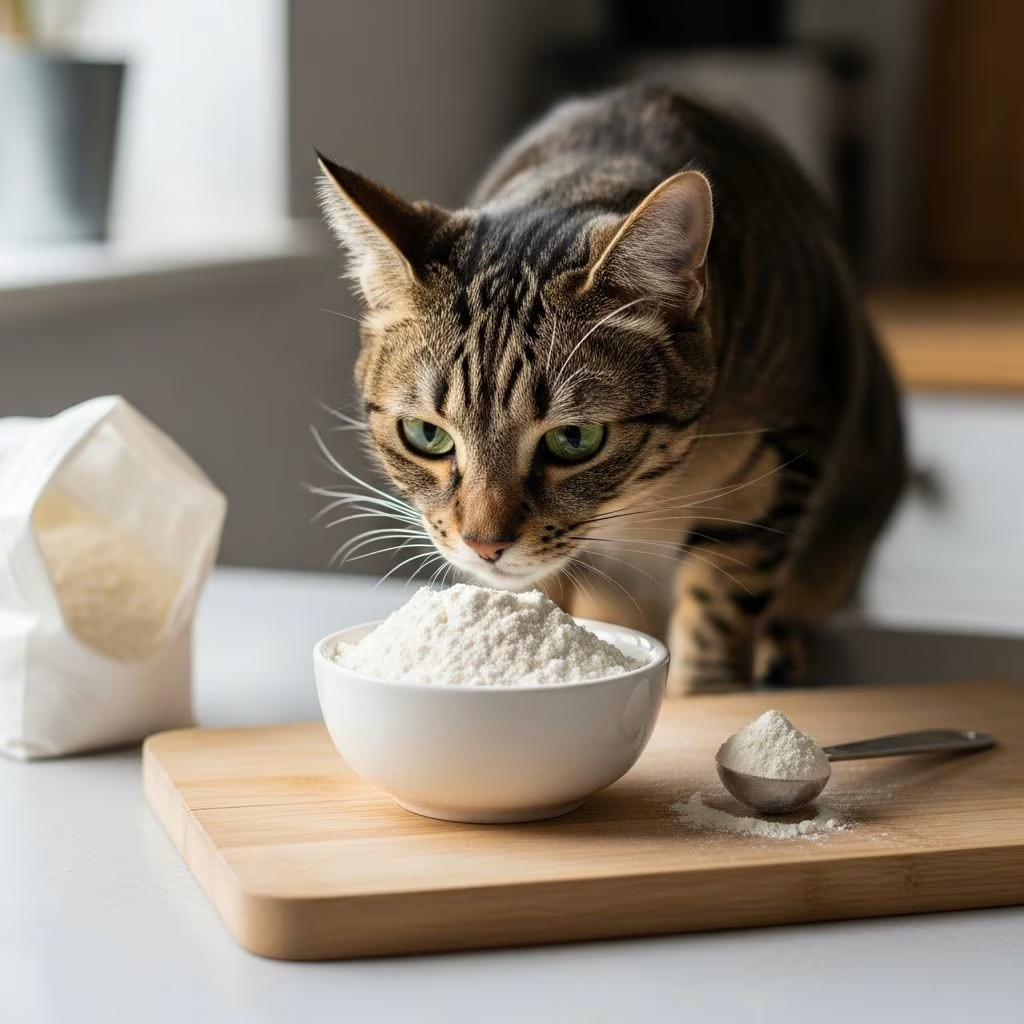
Can Cats Eat Flour? A Comprehensive Safety Guide
As a cat owner, you may wonder whether it’s safe to share certain human foods with your feline companion. Flour, a staple ingredient in many kitchens, is one such food that raises questions. The short answer is: flour is not toxic to cats, but it is not recommended as part of their regular diet. While accidental exposure to small amounts of flour typically won’t cause serious harm, understanding the reasons why flour poses risks to your cat’s health is crucial for responsible pet ownership.
Understanding Your Cat’s Dietary Needs
Cats are obligate carnivores, which means their bodies are biologically designed to derive nutrition primarily from animal-based proteins and fats. Unlike humans and some other animals, cats have specific nutritional requirements that differ significantly from their dietary composition. Their digestive systems are optimized for processing meat, not grains or carbohydrates like flour.
The feline digestive tract is relatively short compared to omnivorous animals, allowing for rapid nutrient absorption from protein-rich sources. This anatomical feature means that cats cannot efficiently process or benefit from carbohydrate-heavy foods such as flour. When flour enters a cat’s digestive system, their body struggles to break it down properly, potentially leading to various health complications.
Why Flour Is Problematic for Cats
Although flour is not poisonous to cats, it poses several health risks that make it unsuitable for feline consumption:
- Poor Digestibility: Cats cannot efficiently digest carbohydrates found in flour, which can result in gastrointestinal distress.
- Lack of Nutritional Value: Flour offers no essential nutrients that cats require, making it nutritionally empty for feline diets.
- Digestive Upset: Consumption may trigger vomiting, diarrhea, or constipation as the cat’s digestive system struggles to process the carbohydrates.
- Allergic Reactions: Some flours contain gluten or other additives that can trigger allergies or sensitivities in cats, causing skin irritation or ear infections.
- Weight Gain Risk: Regular flour consumption contributes unnecessary carbohydrates to a cat’s diet, potentially leading to obesity and associated health problems like diabetes.
- Bacterial Contamination: Raw flour can harbor harmful bacteria such as E. coli or Salmonella, posing foodborne illness risks to your cat.
Digestive Issues Associated with Flour Consumption
The most common concern when cats consume flour is digestive upset. Cats have sensitive stomachs adapted specifically for processing meat-based proteins. When flour enters their system, their digestive enzymes may not adequately break down the carbohydrates, leading to fermentation and gas production in the intestines.
Symptoms of flour-induced digestive issues include:
- Vomiting
- Diarrhea or constipation
- Bloating and abdominal discomfort
- Lethargy or decreased activity
- Loss of appetite
These symptoms typically appear within 24 hours of flour ingestion. While minor digestive upset from a small accidental exposure usually resolves on its own, persistent symptoms warrant veterinary attention. Kittens and senior cats are particularly vulnerable due to their more delicate digestive systems, making it even more important to prevent flour consumption in these age groups.
Flour Allergies and Sensitivities in Cats
Beyond general digestive concerns, some cats may have specific allergies or intolerances to flour, particularly wheat flour. Wheat contains gluten, a protein that can trigger allergic responses in sensitive cats. Common signs of flour-related allergies include:
- Excessive scratching or itching
- Skin irritation or redness
- Ear infections or ear inflammation
- Hair loss in affected areas
- Gastrointestinal symptoms
If your cat has a known wheat allergy or gluten sensitivity, even trace amounts of flour should be avoided. Cats with allergies may require special diets formulated without problematic ingredients, and any dietary changes should be discussed with your veterinarian.
Flour Types and Their Safety Profile
Different types of flour present varying levels of concern for cats:
| Flour Type | Safety Level | Considerations |
|---|---|---|
| All-Purpose Wheat Flour | Not Recommended | Contains gluten; high in carbohydrates; offers no nutritional benefit |
| Rice Flour | Minimal Risk | Gluten-free but still unnecessary and lacks nutritional value for cats |
| Almond Flour | Not Recommended | High in fat; can cause gastrointestinal upset or pancreatitis |
| Coconut Flour | Minimal Risk (Small Amounts) | High in fiber; can cause diarrhea if consumed in larger quantities |
| Oat Flour | Minimal Risk | Gluten-free but not necessary for feline nutrition |
While some flours are marginally safer than others, none provide meaningful nutritional benefits for cats. The safest approach is to avoid all types of flour in your cat’s diet.
The Danger of Raw Flour and Rising Dough
Raw flour presents additional hazards beyond basic digestive concerns. Uncooked flour can contain harmful bacteria such as E. coli or Salmonella, which may cause serious foodborne illnesses in cats. Additionally, raw flour can irritate a cat’s mouth, nose, and digestive tract upon ingestion or inhalation.
Rising dough—dough that is leavening with yeast—poses an even more serious risk. As yeast ferments in the warm environment of a cat’s stomach, it expands and produces alcohol. This can lead to bloating, discomfort, and alcohol toxicity in cats, making it imperative to keep all rising dough away from feline access.
Obesity and Long-Term Health Complications
Regular consumption of flour contributes to weight gain in cats due to unnecessary carbohydrate intake. Cats have no physiological requirement for carbohydrates, making flour calories particularly problematic. Over time, excessive flour consumption can lead to:
- Obesity and associated joint problems
- Diabetes development or exacerbation
- Malnutrition from displaced essential nutrients
- Decreased activity and quality of life
- Increased risk of other health conditions
Maintaining a lean body weight is essential for feline health and longevity. Instead of offering flour-based treats, provide your cat with protein-rich options that align with their nutritional needs.
What to Do If Your Cat Eats Flour
If your cat accidentally consumes a small amount of flour—such as licking spilled flour off the kitchen floor—there is usually no immediate cause for concern. However, monitoring your cat’s behavior over the next 24 hours is important. Watch for signs of digestive upset, including vomiting, diarrhea, lethargy, or loss of appetite.
If your cat has consumed a large quantity of flour or exhibits any concerning symptoms, contact your veterinarian promptly. This is especially critical if:
- Your cat consumed raw flour
- Your cat ingested rising dough
- Your cat has a known flour or wheat allergy
- Symptoms persist for more than a few hours
- Your cat appears lethargic or in pain
Your veterinarian can provide specific guidance based on the type and quantity of flour consumed and your individual cat’s health status.
Healthier Alternative Treats for Your Cat
Rather than offering flour-based treats, choose alternatives that provide actual nutritional value:
- Cooked Meat or Fish: Plain, unseasoned cooked chicken, turkey, or fish provide essential proteins your cat needs
- Commercial Cat Treats: Choose treats specifically formulated for cats with appropriate nutritional profiles
- Pureed Pumpkin: Small amounts can be beneficial for digestive health
- Plain Cooked Vegetables: Carrots or green beans (in minimal quantities) offer minimal calories with some fiber
- Freeze-Dried Meat: A nutrient-dense option that satisfies carnivorous instincts
Preventing Flour Ingestion in Your Home
The best approach to flour safety is prevention. Keep flour and flour-containing products stored securely where cats cannot access them. Be cautious when baking, as flour dust can be inhaled by nearby cats. Clean up spills immediately and supervise your cat during food preparation. When sharing baked goods, remember that most contain not only flour but also sugar, butter, oils, and potentially harmful ingredients like chocolate or artificial sweeteners—all of which are problematic for cats.
Frequently Asked Questions
Q: Is flour toxic to cats?
A: No, flour is not toxic, but it is unsuitable for cats because they cannot efficiently digest it and it provides no nutritional value. It can cause digestive upset and other health issues.
Q: Can cats eat bread made with flour?
A: Plain bread is not toxic, but it is not a healthy choice for cats. Bread lacks essential nutrients and may contribute to weight gain if consumed regularly.
Q: What should I do if my kitten eats flour?
A: Kittens have more sensitive digestive systems than adult cats, so it’s best to prevent any flour consumption. If accidental ingestion occurs, monitor for symptoms and contact your veterinarian if concerns arise.
Q: Is gluten-free flour safe for cats?
A: Gluten-free flours like rice or oat flour are generally safer than wheat flour but still should not be a regular part of your cat’s diet. They offer no nutritional benefit and unnecessary carbohydrates.
Q: Can flour cause my cat to gain weight?
A: Yes, flour is high in carbohydrates that cats don’t need. Regular exposure through baked goods can contribute to unnecessary calorie intake, weight gain, and nutritional imbalances.
Q: What happens if my cat eats raw flour?
A: Raw flour can contain harmful bacteria like E. coli or Salmonella and can be difficult for cats to digest. It may cause mild to moderate stomach upset, and inhalation can irritate the respiratory tract.
Q: Should I give my cat a small taste of my baked goods?
A: It’s best not to. Baked goods contain flour plus sugar, butter, oils, dairy, and sometimes chocolate or artificial sweeteners—many of which are harmful or upsetting to cats. Even small tastes can encourage unhealthy eating habits.
Q: Are there safe homemade treat ingredients for cats?
A: Yes, safe ingredients include cooked meat or fish, small amounts of pureed pumpkin, and commercially available cat-safe treats. Always prioritize protein-based ingredients.
Conclusion
While flour is not toxic to cats, it is not a suitable or beneficial component of their diet. Cats are obligate carnivores with digestive systems optimized for processing meat-based proteins, not carbohydrates. Flour consumption can lead to digestive upset, allergic reactions, weight gain, and long-term health complications. By understanding these risks and choosing appropriate treat ingredients, you support your cat’s overall well-being and longevity. If your cat accidentally consumes flour, monitor for symptoms and contact your veterinarian if needed. Providing proper nutrition tailored to your cat’s biological needs remains the best way to ensure a healthy, happy feline companion.
References
- Can Cats Eat Flour? Safety & Health Guide — Zoorithm. 2024. https://www.zoorithm.com/cats/can-cat-eat-flour
- Can Cats Eat Flour? Vet-Verified Facts — Hustonveterinary.com. 2024. https://hustonveterinary.com/can-cats-eat-flour/
- Can Cats Eat Flour? Wheat vs. Other Types Explained — Dial A Vet. 2024. https://www.dialavet.com/blog/can-cats-eat-flour
- Can Cats Eat Flour? Find Out The Surprising Answer Here! — Chipper Cats. 2024. https://chippercats.com/can-cats-eat-flour/



