

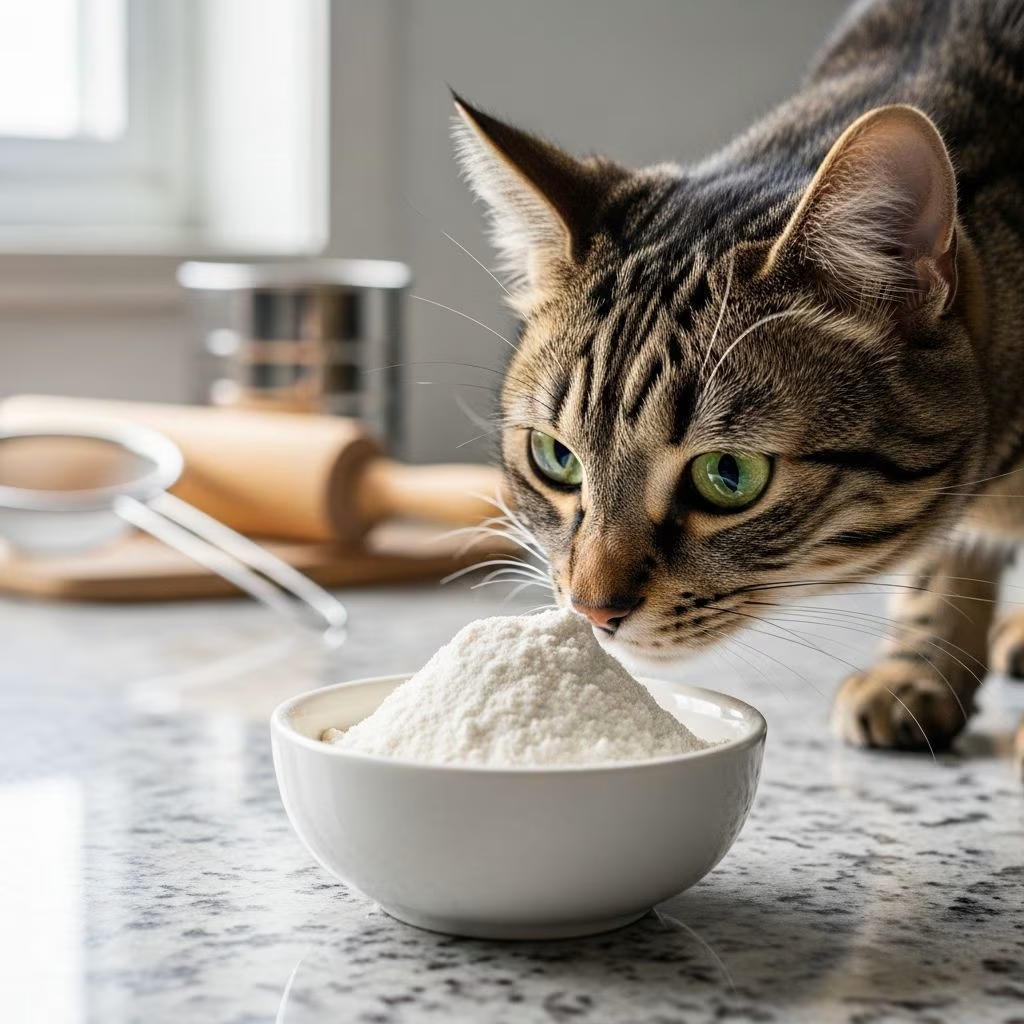
Flour is a staple in human baking, but cat owners often wonder about its safety for feline friends. While most cooked flours are non-toxic to cats, they offer little nutritional value and can pose risks in certain forms, such as raw dough. This comprehensive guide explores flour’s safety, types, potential health issues, and vet-recommended alternatives to keep your cat healthy.
What Is Flour?
Flour is a fine powder produced by grinding grains, roots, beans, nuts, or seeds. Common varieties include wheat, rice, corn, and almond flour, used in breads, pastries, and thickening agents. For cats, who are obligate carnivores, flour provides minimal benefits since their diet thrives on animal-based proteins rather than carbohydrates.
Cats’ digestive systems are adapted for meat, not grains. Small amounts of cooked flour might pass without issue, but regular consumption can lead to weight gain, digestive upset, or nutrient imbalances due to its high carb content and low essential nutrients like taurine.
Can Cats Eat Flour?
In general, small amounts of cooked flour are safe for most cats and easily digestible, but it’s not recommended as a treat or dietary staple. Flour lacks the proteins, fats, and vitamins cats need, and excessive intake can contribute to obesity or diabetes. Some commercial kibbles use flour as a binder, but even there, it should not dominate the ingredient list—prioritize animal proteins.
If your cat sneaks a bit of flour from the counter, monitor for upset stomach, vomiting, or diarrhea. Contact a vet if symptoms persist. Always opt for cat-specific foods over human staples.
Types of Flour: Safe or Unsafe for Cats?
Not all flours are equal for cats. Here’s a breakdown of common types:
Gluten-Containing Flours
These wheat-based flours are ubiquitous but not ideal for cats:
- Wheat flour (all-purpose, white, whole wheat): Non-toxic but carb-heavy; may cause allergies in sensitive cats.
- Rye flour: Similar issues; avoid regular feeding.
- Spelt and atta flour: Grain-derived; low nutrition for felines.
These flours appear in breads, which might include toxic add-ins like raisins or chocolate. A small nibble won’t harm, but skip them routinely.
Gluten-Free Flours
These vary in safety:
- Brown rice, corn, potato flour: Digestible in moderation; corn starch may even be less allergenic.
- Almond, coconut, nut flours: High fat; risky for pancreatitis or obesity.
- Chickpea, banana flour: Bean/fruit-based; not cat-appropriate.
Gluten-free doesn’t mean cat-friendly. Check ingredients and limit exposure.
| Flour Type | Safety Level | Key Concerns |
|---|---|---|
| Wheat/Gluten Flours | Low (occasional only) | Allergies, carbs |
| Rice/Corn Flours | Moderate | Digestibility varies |
| Nut/Coconut Flours | Low | High fat content |
Raw Flour and Raw Dough: Serious Dangers
Never let cats eat raw flour or dough. Raw flour may harbor E. coli or salmonella, per CDC warnings. Raw dough is worse: yeast ferments carbs into ethanol and gas, causing alcohol poisoning.
Symptoms include:
- Bloating or distended abdomen
- Disorientation, weakness, or tremors
- Cold extremities, unresponsiveness
- Vomiting, diarrhea
These can be fatal. Rush to an emergency vet if suspected—induce vomiting only under professional guidance. Baked goods like croissants or graham crackers fare better but still pack excess fat, sugar, and salt.
Does Flour Offer Nutritional Benefits to Cats?
No significant benefits. Cats require animal proteins for amino acids like taurine, which flour lacks. Carbs from flour provide empty calories, potentially leading to:
- Obesity: High-calorie, low-satiety.
- Digestive issues: Gas, diarrhea from grain overload.
- Allergies: Itching, ear infections, GI upset.
Wheat can add fiber if tolerated, but animal sources are superior.
Signs of Flour or Grain Allergies in Cats
Grain allergies affect 10% of cats. Watch for:
- Chronic itching, especially face/paws
- Recurrent ear infections
- Skin lesions, hair loss
- Vomiting, diarrhea post-meals
Diagnosis involves elimination diets via a vet. Hydrolyzed foods with corn starch may help sensitive cats. Don’t self-diagnose—consult a professional.
What Should Cats Eat Instead?
Stick to a balanced, AAFCO-approved cat food. Safe treats (under 10% of calories):
- Plain cooked meat (chicken, turkey)
- Commercial cat treats
- Fish in moderation (no raw)
Avoid human foods high in carbs, fats, or seasonings. Hydration is key—wet food helps.
Frequently Asked Questions
Is a small amount of flour harmful to my cat?
Cooked flour in tiny amounts is usually fine but offers no value. Monitor for issues.
Can cats eat bread or crackers made with flour?
Occasional small pieces if plain and wheat-tolerant, but high salt/fat makes them poor choices.
What if my cat ate raw dough?
Emergency vet visit immediately—risk of poisoning.
Is gluten-free flour safer for cats?
Not necessarily; many are still inappropriate due to source ingredients.
How do I know if my cat is allergic to flour?
Vet diagnosis via symptoms and trials. Common signs: skin/ear issues.
Conclusion
While cats can tolerate small bits of most cooked flours, they’re not nutritious or recommended. Avoid raw forms entirely due to bacterial and yeast risks. Prioritize species-appropriate diets for optimal health. When in doubt, consult your veterinarian for personalized advice.
References
- Can Cats Eat Flour? Nutritional Facts & Safety Guide — Hepper. 2023. https://articles.hepper.com/can-cats-eat-flour/
- Can Cats Eat Croissants? Vet-Approved Facts & FAQ — Catster. 2023. https://www.catster.com/nutrition/can-cats-eat-croissants/
- Can My Cat Eat Bread? — Rover.com. 2023. https://www.rover.com/blog/can-my-cat-eat-bread/
- Can Cats Eat Graham Crackers? Vet-Reviewed Facts & Alternatives — Catster. 2023. https://www.catster.com/nutrition/can-cats-eat-graham-crackers/
- Can Cats Eat Wheat? Vet Approved Nutrition Facts & FAQ — Catster. 2023. https://www.catster.com/nutrition/can-cats-eat-wheat/
- Can Cats Eat Cornstarch? Vet-Reviewed Health Risks & Advice — Catster. 2023. https://www.catster.com/nutrition/can-cats-eat-cornstarch/



