

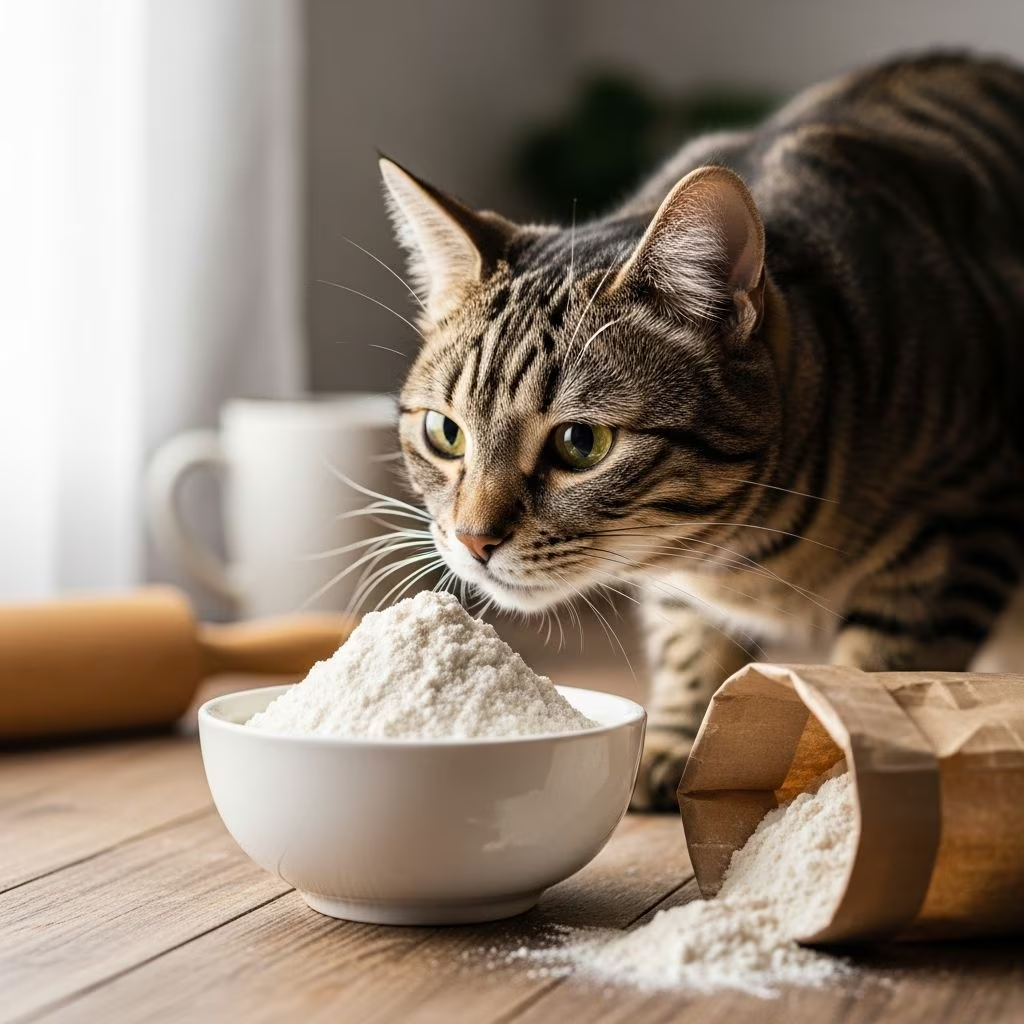
Can Cats Eat Flour? A Complete Safety Guide
As a cat owner, you may wonder whether it’s safe to share certain human foods with your feline companion. Flour is a common ingredient in many households, and if your cat has shown interest in it, you might be curious about whether it poses any health risks. The short answer is that most types of cooked flour are not toxic to cats, but that doesn’t mean flour should become a regular part of their diet. This comprehensive guide will help you understand the nuances of flour consumption for cats, the different types available, and what precautions you should take.
What Is Flour and How Is It Used?
Flour is a powder created by grinding raw grains, roots, beans, nuts, or seeds. It serves as a fundamental ingredient in countless food products worldwide, from bread and pastries to baked goods and thickening agents. In the pet food industry, flour is sometimes incorporated into dry cat food kibble as a binding agent that helps the kibble maintain its shape. However, despite its widespread use, flour offers minimal nutritional value for your cat.
Is Flour Safe for Cats?
In general, cooked flour is digestible and safe for cats. Most felines can process small amounts of flour without experiencing immediate adverse effects. However, safety and nutritional appropriateness are two different considerations. While your cat may not suffer from eating a small amount of flour, it doesn’t mean you should actively incorporate it into their regular diet.
Cats are obligate carnivores, meaning their bodies are designed to thrive on animal-based proteins rather than plant-derived carbohydrates like flour. The nutritional yield of flour is incredibly low for felines, offering virtually no benefit to their overall health and wellness. Therefore, flour shouldn’t be fed to cats regularly or given as a treat.
Types of Flour: Safety Overview
Not all flours are created equal, and some pose greater risks than others. Understanding the different varieties can help you make informed decisions about what your cat consumes.
Gluten-Containing Flours
Gluten-containing flours are among the most commonly available options in grocery stores worldwide. These include:
- Wheat flour (including common wheat flour, white flour, and whole wheat flour)
- Noodle flour
- Spelt flour
- Atta flour
- Maida flour
- Plain or all-purpose flour
- Rye flour
These flours are not toxic to cats but are not recommended as dietary staples. If your cat accidentally consumes a small amount of gluten-containing flour, they will likely be fine—unless they have a specific gluten allergy, which is relatively uncommon in felines. However, you should be cautious when these flours are used in baked goods, as bread products may contain other ingredients that are highly toxic to cats, such as raisins or chocolate. When in doubt, refrain from feeding human food to your cat and always consult with your veterinarian before offering any food item not intended for feline consumption.
Gluten-Free Flours
Gluten-free flour options have become increasingly popular, offering alternatives for those with dietary restrictions. Common gluten-free flours include:
- Almond flour
- Apple flour
- Banana flour
- Brown rice flour
- Buckwheat flour
- Corn flour
- Coconut flour
- Chickpea flour
- Potato flour
- Nut flour
Gluten-free flours are slightly more complex to evaluate for feline safety. While some options may be acceptable in minimal quantities, others are derived from ingredients that cats shouldn’t consume. None of these flours should be fed as regular treats. As a general rule, these options should be avoided entirely or have their specific ingredients carefully reviewed before being used in anything your cat might eat.
The Critical Danger: Raw Flour and Raw Dough
While cooked flour is generally safe, raw flour and raw dough present serious health hazards for cats. This is one area where you must exercise extreme caution.
Raw Flour Risks
The Centers for Disease Control and Prevention (CDC) has warned against consuming raw flour due to potential bacterial contamination, including harmful pathogens like E. coli. Unlike cooked flour, raw flour has not undergone the heat treatment necessary to eliminate these bacteria. If your cat ingests raw flour, they could be exposed to foodborne pathogens, potentially leading to serious gastrointestinal infections.
Raw Dough Dangers
Raw dough poses an even greater threat than raw flour alone. Most bread doughs contain yeast, a leavening agent that ferments carbohydrates and produces two dangerous byproducts: ethanol (alcohol) and carbon dioxide. If your cat consumes raw dough, they may suffer the effects of alcohol poisoning, which can be life-threatening.
Symptoms of Alcohol Poisoning in Cats
If your cat has eaten raw dough, watch for these warning signs:
- Appearing disoriented or confused
- Appearing bloated or distended
- Reluctance to move or inability to move
- Tremors or muscle shaking
- Feeling cold to the touch
- Appearing unresponsive or lethargic
Contact your veterinarian immediately if your cat has consumed any amount of raw dough. This situation warrants an emergency visit, as alcohol poisoning can be fatal for cats. The sooner your pet receives medical attention, the better the prognosis.
Flour in Commercial Cat Food
While you should avoid giving your cat flour directly, it’s worth noting that flour appears in many commercial cat food products. In these formulations, flour serves specific purposes—primarily as a binding agent in kibble. The difference lies in the quantity and context: manufacturers use flour in carefully controlled amounts as part of a complete and balanced diet designed for feline nutrition, rather than as a standalone food item.
Cat Grain Allergies and Sensitivities
Some cats may have grain allergies or food sensitivities that make flour consumption problematic. While grain allergies are not extremely common in cats, they do occur in some individuals. If your cat has a suspected grain allergy, avoid flour-containing products entirely.
Signs of potential food allergies in cats include:
- Chronic vomiting or diarrhea
- Itching or skin irritation
- Hair loss or poor coat quality
- Respiratory symptoms
- Excessive scratching or grooming
If you notice any of these symptoms after your cat has consumed flour or grain-based products, consult with your veterinarian. Food allergies in cats are generally manageable once properly diagnosed, and your vet can recommend appropriate dietary adjustments.
High-Carbohydrate Foods and Feline Health
Beyond flour itself, it’s important to understand how carbohydrate-rich foods affect your cat’s overall health. Many flour-based products are high in carbohydrates, which cats have minimal dietary requirements for. Excessive carbohydrate consumption can lead to:
- Stomach upset and digestive distress
- Weight gain and obesity
- Diabetes and obesity-related diseases
- Nutrient imbalances
Your cat’s diet should center on high-quality animal proteins, not plant-based carbohydrates like flour.
What Should You Feed Your Cat Instead?
Rather than offering flour or flour-based products to your cat, focus on providing species-appropriate nutrition. Your cat’s diet should consist primarily of:
- High-quality animal proteins (chicken, fish, beef, turkey)
- Essential amino acids like taurine
- Appropriate fats for energy and coat health
- Minimal carbohydrates
- Essential vitamins and minerals
If you want to offer treats, choose options specifically formulated for cats or consult with your veterinarian about appropriate treat options that align with your cat’s nutritional needs.
Accidental Flour Ingestion: What to Do
If your cat accidentally consumes a small amount of cooked flour, there’s generally no need for panic. Monitor your cat for signs of digestive upset over the next 24 hours. Most cats will experience no ill effects from minimal flour consumption. However, keep detailed notes of what your cat ate and contact your veterinarian if your cat shows any signs of distress, including vomiting, diarrhea, loss of appetite, or lethargy.
Frequently Asked Questions About Flour and Cats
Q: Can cats eat wheat flour specifically?
A: Wheat flour is not toxic to cats and is digestible for most felines without a wheat allergy. However, it offers minimal nutritional benefit and should not be fed regularly. If your cat tolerates wheat well, small pieces of whole wheat bread occasionally are acceptable as treats, but they should not become part of your cat’s regular diet.
Q: Is white flour safer than whole wheat flour for cats?
A: Neither white nor whole wheat flour is particularly beneficial for cats. Both are safe in small amounts but offer minimal nutritional value. The choice between them is less important than avoiding flour altogether as a regular dietary component.
Q: What if my cat eats bread or pastries containing flour?
A: Bread and pastries made with flour pose risks beyond the flour itself. Be cautious about other ingredients such as raisins, chocolate, excessive sugar, sodium, and butter, which can be harmful to cats. Check the ingredient list carefully before allowing your cat to consume any baked good.
Q: Are there any benefits to feeding flour to cats?
A: No. Flour provides no significant nutritional benefits for cats. It does not aid in digestion, provide essential nutrients, or support feline health in any meaningful way. All nutritional needs should be met through appropriate commercial cat food or veterinarian-approved dietary supplements.
Q: How much flour is safe if my cat accidentally ingests it?
A: Small accidental amounts of cooked flour are generally not concerning. Most cats will not experience adverse effects from minimal exposure. However, never intentionally feed flour to your cat, and contact your veterinarian if your cat consumes large quantities or shows signs of illness.
Q: Can I use flour in homemade cat treats?
A: While some recipes for homemade cat treats include small amounts of flour as a binder, this is not recommended without veterinary guidance. If you want to make homemade treats, consult with your veterinarian or a feline nutritionist to ensure the recipe meets your cat’s nutritional needs and contains only safe ingredients.
Final Recommendations
In summary, while cooked flour is not toxic to cats, it should not be a regular part of their diet. Flour offers minimal nutritional value for obligate carnivores and can contribute to unnecessary carbohydrate intake. Always prioritize complete and balanced commercial cat food formulated by feline nutritionists, and consult with your veterinarian before introducing any new foods to your cat’s diet.
Remember that raw flour and raw dough are never appropriate for cats and require immediate veterinary attention if ingested. By understanding these guidelines and making informed choices about your cat’s nutrition, you can help ensure your feline companion enjoys optimal health and longevity.
References
- Can Cats Eat Flour? Nutritional Facts & Safety Guide — Hepper. Accessed January 2026. https://articles.hepper.com/can-cats-eat-flour/
- Can Cats Eat Croissants? Vet-Approved Facts & FAQ — Catster. Accessed January 2026. https://www.catster.com/nutrition/can-cats-eat-croissants/
- Can Cats Eat Muffins? Vet-Reviewed Risks & Safe Alternatives — Catster. Accessed January 2026. https://www.catster.com/nutrition/can-cats-eat-muffins/
- Can Cats Eat Wheat? Vet Approved Nutrition Facts & FAQ — Catster. Accessed January 2026. https://www.catster.com/nutrition/can-cats-eat-wheat/
- Can Cats Eat Cornstarch? Vet-Reviewed Health Risks & Advice — Catster. Accessed January 2026. https://www.catster.com/nutrition/can-cats-eat-cornstarch/
- Your Cat Will Flip for These Homemade Cat Treats — Tuft & Paw. Accessed January 2026. https://www.tuftandpaw.com/blogs/modern-cat-blog/your-cat-will-flip-for-these-homemade-cat-treats



