

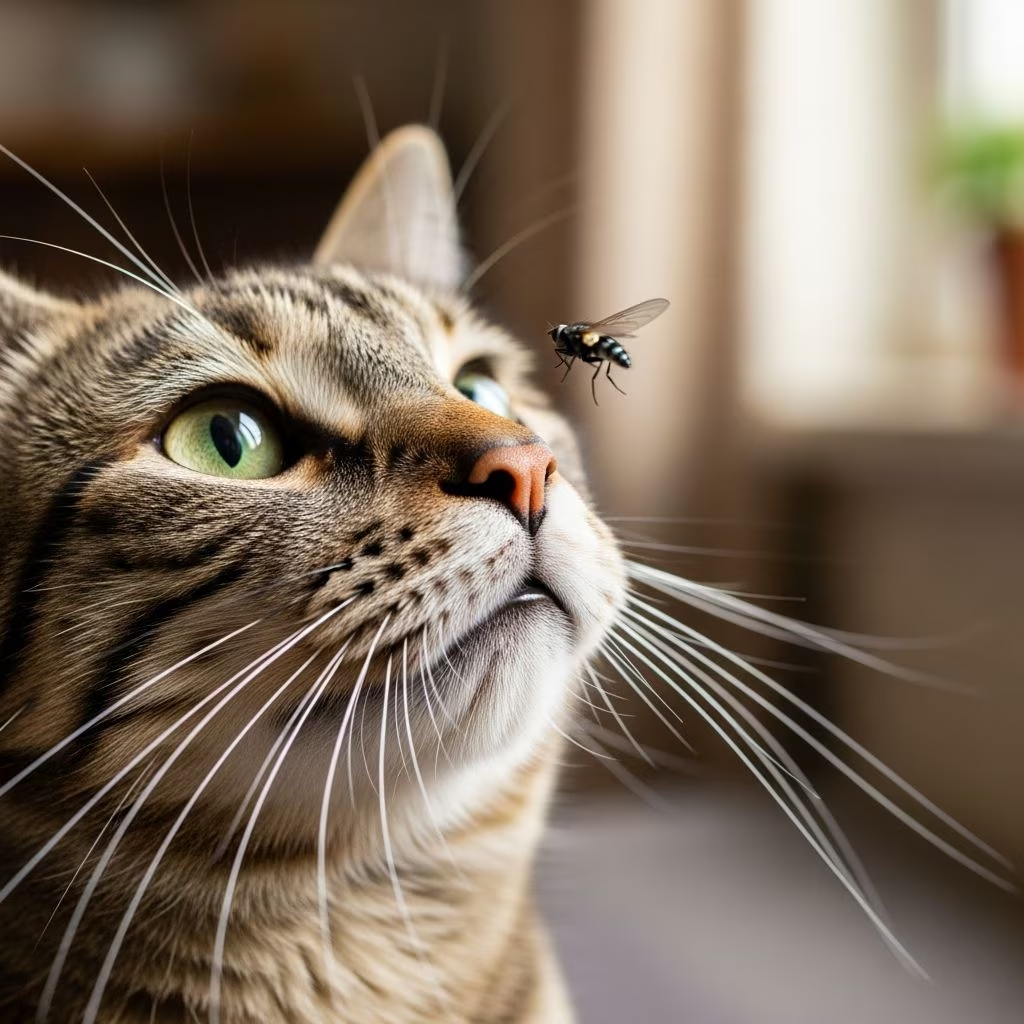
Cats are natural hunters with an innate drive to chase and capture small, moving prey like flies. While this behavior is instinctual and entertaining to watch, many cat owners wonder if it’s safe for their feline friends to consume these buzzing insects. The short answer is yes, cats can eat flies without major issues in most cases, as flies are not toxic and provide a minor protein boost. However, there are potential risks including parasites, pesticides, and digestive upset that warrant caution. This comprehensive guide, informed by veterinary insights, explores the safety, health implications, nutritional aspects, and expert advice on letting your cat indulge in fly-hunting.
Understanding your cat’s predatory instincts is key. Domestic cats descend from wild ancestors who relied on small prey for survival, including insects. Today, even well-fed indoor cats retain this hunting urge, often pouncing on flies as a form of play and mental stimulation. While a single fly poses little threat, habitual consumption or exposure to contaminated insects could lead to health concerns. We’ll break down the facts, risks, benefits, and when to consult a vet.
Are Flies Safe for Cats to Eat?
Flies, particularly common houseflies, are generally safe for cats to eat in small quantities. They are not poisonous and unlikely to cause immediate harm. Veterinary experts note that the protein content in flies offers a negligible nutritional supplement but satisfies a cat’s hunting instinct without replacing a balanced diet. However, safety depends on the fly’s origin and exposure to chemicals.
- Non-toxic nature: Unlike bees or wasps, flies do not sting and lack venomous defenses.
- Pesticide risk: Flies in homes treated with insecticides may carry trace toxins, but the amount in one or two flies is typically too low to harm a healthy adult cat.
- Digestive tolerance: Most cats process flies easily, though overindulgence might cause mild vomiting or diarrhea.
Indoor cats face fewer risks than outdoor ones, where flies may contact feces, garbage, or agricultural chemicals. Always monitor your cat post-hunt and contact a vet if symptoms like lethargy, excessive vomiting, or unusual stool appear.
Can Cats Get Parasites From Flies?
While flies pose lower parasite risks than fleas or ticks, they are not entirely harmless vectors. Some species carry Isospora organisms, protozoan parasites responsible for coccidiosis—a gastrointestinal disease more severe in kittens. Adult cats often show no symptoms due to immunity, but kittens may develop diarrhea, dehydration, and weight loss.
Flies transmit parasites mechanically: they land on infected feces or decaying matter, then transfer pathogens to food or wounds. Other potential issues include bacterial infections like salmonella from contaminated flies. Studies on insect vectors confirm flies’ role in spreading enteric pathogens, though cats’ grooming habits mitigate some risks.
| Parasite/Disease | Source | Symptoms in Cats | Risk Level |
|---|---|---|---|
| Coccidiosis (Isospora) | Fly ingestion | Diarrhea (kittens), often asymptomatic in adults | Low-moderate |
| Bacterial infections (e.g., Salmonella) | Contaminated flies | Vomiting, fever, lethargy | Low |
| Other protozoa | Fecal contact | GI upset | Low |
Preventive measures include regular deworming, flea control, and keeping living areas clean to reduce fly populations. Kittens and immunocompromised cats require extra vigilance.
Do Cats Eat Flies Because They’re Hungry?
No, well-fed cats eat flies primarily due to instinct, not hunger. High-quality commercial cat food meets all nutritional needs for protein, fats, and calories. Flies offer minimal sustenance—a single housefly provides about 20mg of protein, far below a cat’s daily requirement of 20-30g.
This behavior mimics wild hunting, providing enrichment. Boredom, stress, or under-stimulation can amplify it. Cats in multi-cat homes or with abundant indoor flies may hunt more for play than nutrition. If your cat seems obsessed, assess diet quality and introduce interactive toys.
- Instinctual drive: Targets quick movements triggering prey response.
- Enrichment value: Satisfies mental needs, reducing destructive behaviors.
- Not a dietary staple: Insects like crickets or black soldier fly larvae are nutritionally superior if supplemented.
Nutritional Value of Flies and Insects for Cats
Flies provide trace protein and chitin (fiber-like exoskeleton aiding digestion), but they’re not a significant nutrient source. Comparative studies show insects like crickets excel: high in essential amino acids (e.g., taurine, arginine), omega fatty acids, and minerals. A 2020 study found cats digest insect proteins (from cockroaches, superworms) as well as chicken, with benefits for coat health and muscle maintenance.
Black soldier fly larvae stand out—rich in lauric acid (antimicrobial), calcium, and hypoallergenic proteins ideal for sensitive cats. While wild flies offer little, farmed insects in pet foods provide sustainable nutrition without hunting risks.
- Protein: 40-70% dry weight in quality insects.
- Fats: Essential fatty acids for skin/coat.
- Minerals: Calcium, iron superior to some meats.
Transitioning to insect-inclusive kibble can channel instincts safely.
Risks of Cats Eating Other Insects
Not all bugs are benign. While flies are low-risk, others pose threats:
- Toxic: Fireflies (lucibufagins cause drooling, seizures); blister beetles (cantharidin poisons kidneys).
- Stinging: Bees/wasps (allergic reactions, swelling).
- Parasitic: Fleas/ticks transmit tapeworms, diseases.
- Choking: Large spiders or beetles.
Houseflies and moths are safer but monitor for stomach upset if eaten frequently.
When to See a Vet After Your Cat Eats Flies
Most incidents resolve without intervention, but watch for:
- Vomiting >2x or with blood.
- Diarrhea persisting >24 hours.
- Lethargy, appetite loss.
- Seizures, drooling (pesticide/firefly).
Contact a vet immediately for pesticide-exposed flies or multiple ingestions. Provide details on fly source and cat’s health history.
Tips to Manage Fly Hunting Safely
Channel instincts without risks:
- Use fly traps away from cats.
- Provide feather toys mimicking flight.
- Seal entry points, use pet-safe repellents.
- Enrich environment with puzzle feeders.
- Opt for insect-protein cat foods.
Frequently Asked Questions (FAQs)
Is it bad if my cat eats a fly?
No, occasional fly consumption is harmless and instinctual. Risks arise from contaminated or pesticide-laden flies—monitor for GI upset.
Can flies give my cat worms?
Flies can transmit protozoa like Isospora causing coccidiosis, especially in kittens. Regular deworming prevents issues.
Are there nutritional benefits to cats eating flies?
Minimal—trace protein only. Better insect sources like crickets offer superior nutrition via commercial foods.
What if my cat ate a fly sprayed with insecticide?
Likely safe in small amounts, but watch for vomiting or tremors. Call your vet or pet poison hotline.
Why does my indoor cat chase flies so much?
It’s play and hunting practice, not hunger. Ensure diet is balanced and provide stimulation.
In summary, cats eating flies is typically benign, reflecting their predatory heritage. Prioritize prevention and vet check-ups for peace of mind.
References
- Can Cats Eat Flies? Vet-Reviewed Facts & Health Guidelines — Catster. 2023-10-15. https://www.catster.com/nutrition/can-cats-eat-flies/
- Can Cats Eat Bugs? — Go! Solutions. 2024-05-20. https://go-solutions.com/en-us/blog/can-cats-eat-bugs
- Can Cats Eat Insects? — Dr. Ruth Roberts. 2023-08-12. https://drruthroberts.com/blogs/pet-blog/can-cats-eat-insects
- Cat chasing fly: is it safe for your cat? — Flappie Doors. 2024-02-28. https://flappiedoors.com/en/blogs/jagdverhalten/katze-jagt-fliege
- Nutritional digestibility of three insect meals in adult cats — Journal of Animal Science (via PubMed). 2020-07-01. https://pubmed.ncbi.nlm.nih.gov/32559378/



