

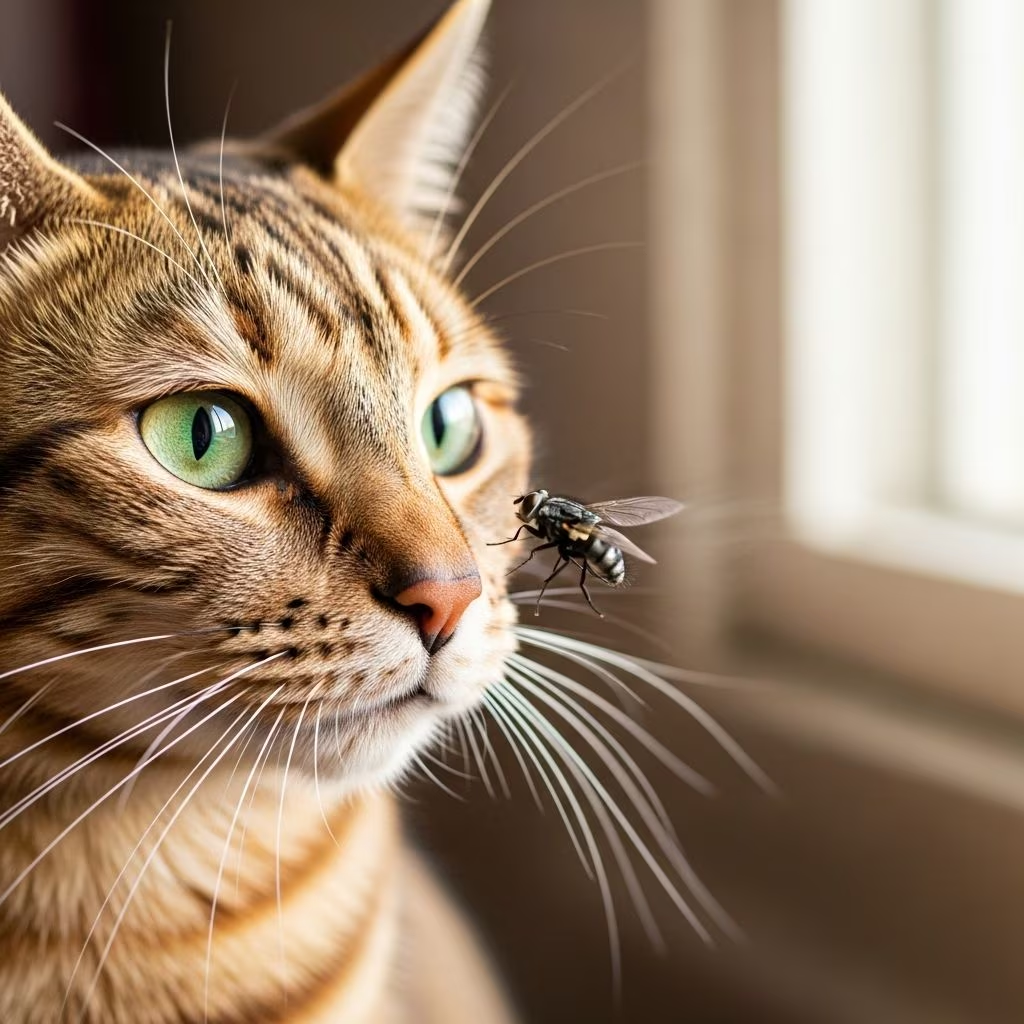
Cats are natural hunters, and watching your feline friend pounce on a buzzing fly is a common sight in many households. But as a responsible pet owner, you might wonder: can cats eat flies safely? The short answer is yes, in most cases, eating a fly or two poses little risk to healthy cats. Flies are not toxic or poisonous to felines, and the occasional fly snack is unlikely to cause harm. However, there are nuances to consider, including potential parasites, pesticide exposure, and whether this behavior signals an underlying issue like hunger. This comprehensive guide, informed by veterinary insights, explores the safety, risks, benefits, and what to do if your cat develops a fly-eating habit.
Are Flies Safe for Cats to Eat?
Houseflies and similar common flies are generally harmless if ingested by cats. Unlike some insects that sting or bite, flies do not pose an immediate physical threat during consumption. Veterinary experts note that the protein content in flies offers minimal nutritional value, but a single fly won’t upset your cat’s stomach or lead to toxicity. Cats have been hunting small prey, including insects, for thousands of years as part of their evolutionary diet, making this behavior instinctual rather than a dietary necessity.
That said, safety depends on the fly’s origin. Flies from clean indoor environments are low-risk, while those from outdoors might carry contaminants. If your cat only catches the occasional indoor fly, there’s typically no cause for alarm. Monitor for any unusual symptoms like vomiting or lethargy, and consult your vet if concerns arise.
Health Risks of Cats Eating Flies
While flies aren’t inherently dangerous, they can introduce health risks under certain conditions. Here’s a breakdown of potential issues:
- Pesticide Exposure: Flies treated with insecticides may contain trace toxins. However, the amount in one fly is usually too low to harm a cat. Still, repeated exposure could accumulate, leading to mild gastrointestinal upset.
- Choking Hazard: Small flies can pose a minor choking risk, particularly for kittens or fast eaters. Watch your cat during hunts to ensure they chew properly.
- Stomach Upset: Eating multiple flies might cause temporary nausea or diarrhea due to indigestible parts like wings.
Overall, these risks are low for occasional consumption, but vigilance is key, especially in homes using bug sprays.
Can Cats Get Parasites From Flies?
One of the more serious concerns is parasites. Flies can carry Isospora organisms, which may lead to coccidiosis—a gastrointestinal disease causing diarrhea, especially in kittens. Adult cats often show no symptoms due to stronger immunity. Flies might also transmit bacteria by landing on infected feces or waste, potentially spreading infections if ingested.
Compared to fleas, ticks, or spiders, flies are less problematic for parasites, but they’re not risk-free. Regular deworming and flea prevention are crucial. The CDC notes that while flies are mechanical vectors for various pathogens, feline cases from flies are rare but possible in unsanitary conditions.
| Risk Factor | Details | Prevalence in Cats |
|---|---|---|
| Parasites (e.g., Isospora) | Coccidiosis from contaminated flies | Low; higher in kittens |
| Bacterial Transmission | From fecal matter contact | Rare |
| Pesticides | Toxin residue | Minimal in one fly |
Do Cats Eat Flies Because They’re Hungry?
No, cats eating flies is rarely due to hunger if they’re on a balanced diet. High-quality commercial cat food provides all necessary calories, proteins, and nutrients. Flies offer some protein but not enough to sustain a cat—wild cats primarily hunt larger prey like rodents or birds.
This behavior stems from a cat’s innate predatory drive. The erratic flight of flies triggers their hunting instincts, providing mental stimulation and exercise. Bored indoor cats may chase flies more frequently, turning it into play rather than a meal. Ensure your cat’s diet meets AAFCO standards, and supplement with interactive toys to satisfy hunting urges.
Nutritional Value of Flies for Cats
Flies contain protein, but it’s negligible compared to cat food. Insects like crickets or black soldier fly larvae (BSFL) are more nutritious alternatives, rich in essential amino acids, omega fatty acids, and minerals. A 2020 study found insect-based diets (e.g., cockroaches, superworms) as digestible as chicken for cats, with high levels of BCAAs and arginine for muscle health.
While not a staple, insects can complement diets sustainably. Pet foods with BSFL offer benefits without wild-hunting risks.
- Protein: High in flies, but incomplete profile.
- Fats: Essential fatty acids present.
- Minerals: Calcium in larvae forms.
When to Worry About Your Cat Eating Flies
Occasional fly-eating is fine, but watch for:
- Excessive consumption (e.g., dozens daily).
- Symptoms: vomiting, diarrhea, lethargy.
- Known pesticide use nearby.
- Recent outdoor exposure in contaminated areas.
If symptoms appear, contact your vet immediately. Provide details on the fly’s source and quantity eaten.
Preventing Fly Infestations and Risks
Keep your home clean to reduce flies: seal entry points, manage garbage, and use pet-safe repellents. Indoor plants or screens help. For nutrition, consider insect-enriched foods. Regular vet check-ups ensure parasite-free health.
Frequently Asked Questions (FAQs)
Is it bad if my cat eats a fly?
No, one or two flies are harmless. Risks arise from quantity or contamination. Monitor and keep environments clean.
Can cats get sick from eating flies?
Rarely, but possible from parasites or toxins. Kittens are more vulnerable. Vet consultation advised if symptoms show.
Are there benefits to cats eating insects?
Yes, protein and stimulation. Controlled sources like BSFL in food are ideal.
What if my cat eats pesticide-treated flies?
Low risk from one fly, but watch for upset. Call vet or poison hotline (e.g., ASPCA).
Do flies give cats worms?
Possible coccidia transmission, but uncommon. Maintain deworming schedule.
References
- Can Cats Eat Flies? Vet-Reviewed Facts & Health Guidelines — Catster. 2023-05-15. https://www.catster.com/nutrition/can-cats-eat-flies/
- Can Cats Eat Bugs? — Go! Solutions. 2024-02-10. https://go-solutions.com/en-us/blog/can-cats-eat-bugs
- Can Cats Eat Insects? — Dr. Ruth Roberts. 2023-11-20. https://drruthroberts.com/blogs/pet-blog/can-cats-eat-insects
- Cat Chasing Fly: Is It Safe for Your Cat? — Flappie Doors. 2024-01-05. https://flappiedoors.com/en/blogs/jagdverhalten/katze-jagt-fliege
- Can Cats Get Ill From Eating Flies? — Senior Cat Wellness (YouTube). 2023-07-12. https://www.youtube.com/watch?v=Dm0Y4LxdPvE
- Flies as Disease Vectors — Centers for Disease Control and Prevention (CDC). 2024-06-01. https://www.cdc.gov/dpdx/dxmanuals/flies.htm



