

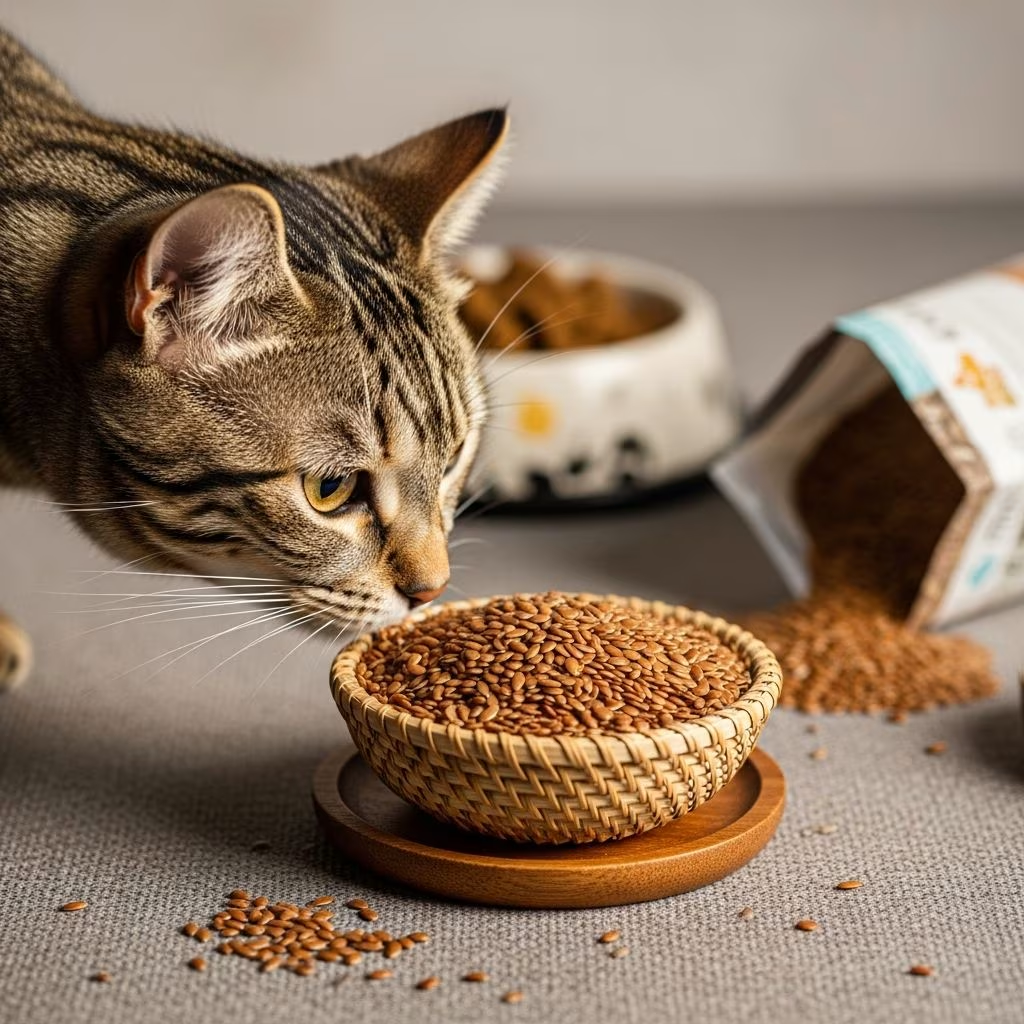
Can Cats Eat Flaxseeds? Vet-Approved Nutritional Facts
The short answer is yes—cats can eat flaxseeds, and they can be a beneficial addition to your feline’s diet when given appropriately. Flaxseeds are small, crunchy seeds with a nutty flavor that are packed with essential nutrients. Many commercial cat food manufacturers include flaxseeds in their formulations to enhance the nutritional profile of their products. However, like any supplement or new food item, it’s crucial to understand the proper ways to incorporate flaxseeds into your cat’s meals and to be aware of potential risks associated with overfeeding.
Why Flaxseeds Are Good for Cats
Flaxseeds offer multiple nutritional advantages for feline health. The seeds contain valuable compounds that can support various bodily functions and contribute to overall wellness when administered in appropriate quantities.
Omega-3 Fatty Acids
One of the primary benefits of flaxseeds is their rich content of omega-3 fatty acids, specifically alpha-linolenic acid (ALA). The oil contained within flaxseeds is renowned for promoting healthy skin and maintaining a glossy, lustrous coat in cats. These omega fatty acids also work to strengthen brain cell health over time, supporting cognitive function and neurological development in kittens. Scientific research has demonstrated that ground flaxseed added to cat diets increases serum ALA concentrations within 14 days, with no negative impacts on nutrient digestibility. However, it’s important to note that cats have a limited ability to convert alpha-linoleic acid into the more beneficial DHA and EPA fatty acids. Fish oil, which directly contains DHA and EPA, remains a superior choice for these specific fatty acids in feline nutrition.
Fiber Content
Flaxseeds are an excellent source of dietary fiber, providing approximately 2 grams of fiber per tablespoon. This high fiber content is particularly valuable for feline digestive health. Fiber helps bulk up stools, which can prevent constipation and alleviate diarrhea when served in appropriate amounts. The fiber in flaxseeds also helps cats feel fuller for longer periods, making it a useful tool for weight management in felines who seem to have endless appetites. Getting your carnivorous kitty to consume more fiber isn’t always easy, but flaxseed’s mild taste makes it simple to incorporate into wet foods and meat purees without detection.
Thiamine (Vitamin B1)
Flaxseeds are a significant source of thiamine, also known as vitamin B1, which serves multiple important functions in the feline body. Thiamine plays a crucial role in converting carbohydrates into energy, enabling your cat to maintain adequate energy levels throughout the day. Additionally, this B vitamin supports essential neurological processes, contributing to proper nerve function and cognitive performance.
Magnesium
These nutrient-dense seeds are an excellent source of magnesium, a mineral essential for proper development in growing kittens. Magnesium supports muscle function, helps regulate blood glucose levels, and promotes healthy urinary system function in felines of all ages. This mineral is particularly important for maintaining overall metabolic health and preventing age-related health issues.
Lignans and Antioxidants
Flaxseeds are the most nutrient-dense plant-based source of lignans, compounds believed to possess cancer-fighting properties. Lignans also help with hormone balance in cats and can naturally increase estradiol levels in females who have been spayed. The antioxidant properties of these compounds contribute to cellular health and may provide protective benefits against various health conditions.
How Much Flaxseed Can I Give My Cat?
Proper dosing is absolutely critical when incorporating flaxseeds into your cat’s diet. Providing too much can lead to digestive upset and other health complications.
Adult Cat Dosage
For adult cats, it is recommended to feed between 1/4 and 1/2 teaspoon per day of ground flax or flaxseed oil. This modest amount provides beneficial nutrients without overwhelming the digestive system. It’s best to start at the lower end of this range and monitor your cat’s bowel movements before gradually increasing the amount you provide. If you notice any negative changes in their bathroom habits or overall dietary behavior, you should cut back or eliminate flax products from their diet entirely.
Kitten Dosage
Kittens can safely consume flaxseed products as well, but they require half the amount recommended for adults. Young cats should receive between 1/8 and 1/4 teaspoon per day. This lower dosage accounts for their smaller body size and developing digestive systems while still allowing them to benefit from the nutritional content of flaxseeds.
Introduction Tips
When introducing flaxseeds to your cat’s diet, begin with a conservative approach. Start with the smallest recommended dose and observe your cat’s response over several days before increasing the quantity. Ground flaxseed is easier to incorporate into wet food or meat purees than whole seeds, making it more palatable and digestible for most cats. This gradual introduction allows your cat’s digestive system to adjust to the new addition without experiencing upset.
Potential Risks and Side Effects
While flaxseeds are generally safe for cats, overfeeding can create health problems that pet owners should be aware of.
Digestive Issues from Overfeeding
Flaxseed is a superfood and, for the most part, completely safe for feline consumption. However, overdoing it can potentially cause issues for your cat. Since flaxseeds are high in fiber, excessive amounts can cause abdominal pain, digestive upset, and gastrointestinal distress. This is why adhering to the recommended dosage guidelines is so important for maintaining your cat’s digestive health.
Fatty Acid Toxicity
Very high doses of flaxseed consumed over extended periods have the potential to cause fatty acid poisoning, a serious condition that comes with severe side effects. Cats experiencing fatty acid poisoning may develop bleeding disorders, weakened immune function, and other complications. This emphasizes the importance of maintaining appropriate portion sizes and not treating flaxseeds as a primary nutritional source for your pet.
Does Flaxseed Cause Constipation in Cats?
Actually, the opposite is true. Since flaxseed has a high fiber content, it is an excellent remedy for constipation in felines rather than a cause of it. The fiber helps stimulate proper bowel movements and promotes regular digestive function. If your cat struggles with occasional constipation, flaxseeds can be a natural solution to improve their digestive regularity. The mild taste of ground flaxseed makes it easy to hide in wet foods, ensuring your cat receives the benefits without realizing they’re consuming something different from their usual meals.
Is the Flax Plant Poisonous to Cats?
This is an important distinction that every cat owner should understand. While some parts of the flax plant are indeed poisonous to both dogs and cats, the ripe flaxseeds and flaxseed oil made from ripened seeds are not toxic. Every other part of the flax plant, including unripe seeds, contains a toxic compound called cyanogenic glycoside. This compound can cause life-threatening symptoms in cats within a matter of hours if ingested.
Symptoms of Flax Plant Poisoning
If your cat accidentally consumes any part of a flax plant (other than ripe seeds), they may present with nausea, vomiting, and seizures. However, these initial symptoms can quickly escalate to respiratory distress, organ damage, and death if emergency veterinary care is delayed. If you suspect your cat has eaten any part of a flax plant, you should get your pet to a veterinarian as soon as possible.
Safe Flaxseed Products
The good news is that commercially available flaxseed supplements and flaxseed oil specifically derived from ripe seeds are safe for cats. These products have been properly processed and are free from the toxic compounds found in other parts of the plant. Always purchase flaxseed products from reputable manufacturers to ensure they are properly processed and safe for feline consumption.
Nutritional Profile Summary
Flaxseeds, while not a natural part of a cat’s ancestral diet, can still be a positive addition to your cat’s meals when used appropriately. These seeds provide alpha-linolenic acid, a fatty acid from which cats synthesize DHA and EPA, along with magnesium, manganese, and other essential nutrients. Ground or whole flaxseeds are also rich in fiber, which can help keep your cat regular and satisfied between meals. The key to maximizing benefits while minimizing risks is understanding proper serving sizes and monitoring your individual cat’s response to this supplement.
Frequently Asked Questions
Q: Can I give my cat whole flaxseeds instead of ground?
A: Yes, you can give whole flaxseeds, but ground flaxseeds are generally preferred because they are easier to digest and more palatable when mixed into wet food. Whole seeds may pass through your cat’s digestive system without being fully processed, reducing the nutritional benefits your cat receives.
Q: How quickly will I see health benefits from flaxseeds?
A: Scientific research shows that serum alpha-linolenic acid concentrations increase within 14 days of adding ground flaxseed to a cat’s diet. However, other benefits like improved coat quality or digestive regularity may take several weeks to become noticeable.
Q: Is flaxseed oil better than whole flaxseeds for cats?
A: Both forms can be beneficial, though flaxseed oil may be easier to incorporate into your cat’s food and is more readily absorbed. However, flaxseed oil can be used in both dogs and cats, although effectiveness may be questionable in cats compared to fish oil products.
Q: Can flaxseeds interact with medications my cat takes?
A: While flaxseeds are generally safe, it’s always wise to consult with your veterinarian before adding any supplement to your cat’s diet, especially if your cat is on medications. Your vet can advise whether flaxseeds are appropriate for your cat’s specific health situation.
Q: Should I choose flaxseed supplements or commercial cat food containing flaxseeds?
A: Both options can work, but it’s important to monitor the total amount of flaxseed your cat receives. If you’re feeding commercial cat food containing flaxseeds, you may not need additional supplementation. Always check the ingredient list of commercial foods to understand how much flaxseed is already included.
Q: What’s the difference between human-grade and pet-grade flaxseeds?
A: Pet-grade flaxseeds are specifically processed and formulated for animal consumption, though high-quality human-grade products can also be safe. What matters most is ensuring the product is made from ripe seeds and is free from additives or contaminants.
Q: How should I store flaxseeds to maintain their nutritional value?
A: Store flaxseeds in a cool, dark, dry place or in the refrigerator to prevent the oils from becoming rancid. Ground flaxseeds should be used more quickly than whole seeds, as the exposed surface area increases oxidation risk.
Final Recommendations
Flaxseeds can be a worthwhile nutritional addition to your cat’s diet when introduced carefully and maintained at appropriate dosage levels. The key to success is starting slowly, monitoring your cat’s individual response, and maintaining communication with your veterinarian about any dietary changes. Remember that flaxseeds should never replace high-quality protein sources or become a primary dietary component for your cat. Instead, think of them as a beneficial supplement that can enhance your cat’s overall nutritional intake and support long-term health when used correctly. As with any supplement or new food, it’s always a good idea to talk to a vet before changing your pet’s diet to ensure it’s appropriate for your specific cat’s health needs and nutritional requirements.
References
- Can Cats Eat Flaxseed? — Wag!. Accessed January 2026. https://wagwalking.com/wellness/can-cats-eat-flaxseed
- Dietary Ground Flaxseed Increases Serum Alpha-Linolenic Acid — National Center for Biotechnology Information (NCBI). 2022. https://pmc.ncbi.nlm.nih.gov/articles/PMC9558553/
- Digestive Tract Facts About Flax in Cat Foods and Snacks — Pet Food Industry. Accessed January 2026. https://www.petfoodindustry.com/articles/15469206
- Flaxseed Oil — VCA Animal Hospitals. Accessed January 2026. https://vcahospitals.com/know-your-pet/flax-seed-oil
- Ground Flaxseed – How Much Can We and Our Companion Animals Safely Eat — Animal Diet Formulator. Accessed January 2026. https://animaldietformulator.com/blog/ground-flaxseed-how-much-can-we-and-our-companion-animals-safely-eat



