

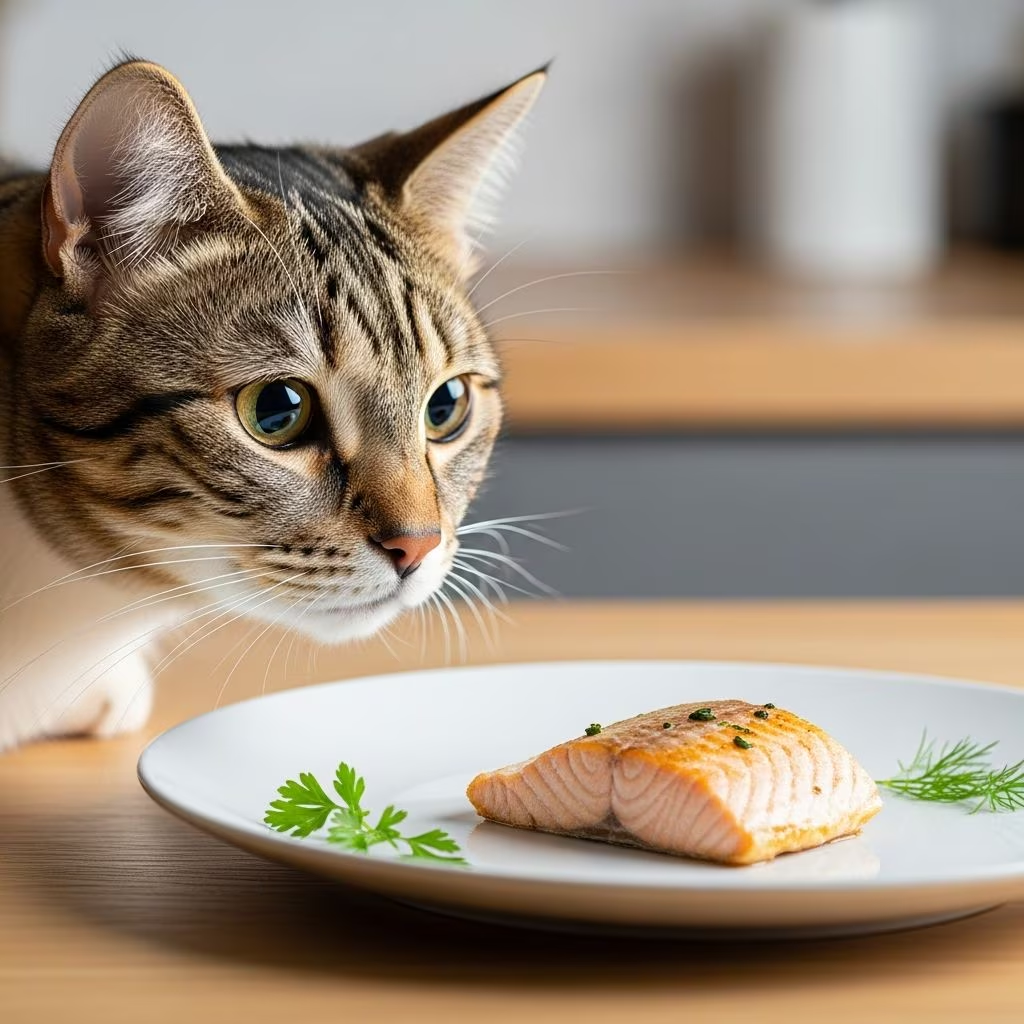
Fish is a popular treat for cats, but it’s not as straightforward as the stereotype suggests. While cats enjoy fish flavors, feeding it requires caution due to potential health risks like thiamine deficiency and mercury exposure. This article breaks down the benefits, dangers, safe types, and expert guidelines.
Quick Answer: Can Cats Eat Fish?
Cats can eat certain types of fish in moderation as an occasional treat, but it should not be a dietary staple. Cooked, boneless fish like salmon or sardines offers protein and omega-3s, but raw fish poses serious risks including thiamine deficiency from thiaminase enzymes. Avoid high-mercury fish like tuna long-term, and always prioritize commercial cat food for balanced nutrition.
The Myth of Cats and Fish: Where It Started
The idea that cats naturally love fish stems from cartoons and folklore, not biology. Wild cats are obligate carnivores that hunt land prey like rodents and birds, not fish. Domestic cats may develop a taste for fish through flavored commercial foods, but evolutionarily, they lack strong adaptations for piscivory. Fish entered cat diets via human influence, particularly in canned pet foods using seafood byproducts.
Despite the myth, fish isn’t inherently ‘bad’ or ‘perfect’ for cats—balance is key. Over-reliance on fish can disrupt nutrition, leading to deficiencies or toxicities.
Benefits of Fish for Cats
Fish provides nutritional perks when fed correctly:
- High-Quality Protein: Fish like salmon and sardines deliver essential amino acids cats need for muscle maintenance.
- Omega-3 Fatty Acids (EPA & DHA): These reduce inflammation, benefiting senior cats, those with arthritis, kidney disease, or gut issues. Omega-3s support skin, coat health, and joint mobility.
- Taurine and Other Nutrients: Some fish contain taurine, vital for heart and eye health, though levels vary.
Studies show omega-3 enriched diets improve feline health outcomes, but alternatives like algae oil provide similar benefits without fish risks.
Risks and Dangers of Feeding Fish to Cats
Fish carries significant hazards, especially raw or in excess. Here’s a breakdown:
1. Thiamine (Vitamin B1) Deficiency
Raw fish contains thiaminase, an enzyme destroying thiamine needed for nerve function and energy metabolism. Cats have high thiamine needs; deficiency causes rapid symptoms like vision loss, ataxia, seizures, and death. Affected fish include herring, smelt, and raw freshwater species. Cooking deactivates thiaminase, but commercial foods add thiamine post-processing.
2. Mercury and Heavy Metal Contamination
Larger predatory fish (tuna, mackerel, shark) bioaccumulate mercury, arsenic, and PCBs. Chronic exposure leads to neurological damage. A 2004 study found mercury-induced issues in kittens fed FDA-approved tuna levels. Cats are more vulnerable than humans due to smaller size and higher intake relative to body weight.
3. Allergies and Sensitivities
Fish is a common allergen for cats, causing itching, gastrointestinal upset, or skin issues. Fish-flavored foods often trigger these due to byproducts.
4. Hyperthyroidism Link
Epidemiologic data links fish-heavy diets to higher hyperthyroidism rates. A 2007 EPA study showed cats eating canned fish had 5x PBDE levels (flame retardants) vs. poultry/beef eaters. PBDEs in fish like tuna/mackerel may contribute.
5. Urinary and Kidney Problems
Fish is high in phosphorus and magnesium, risking struvite crystals, cystitis, or blockages—especially in males or those with kidney disease. Fish byproducts in pet foods exacerbate this.
6. Other Issues: Vitamin E Depletion, Calcium Imbalance
Long-term fish depletes vitamin E, causing steatitis (yellow fat disease). Whole fish lacks proper calcium:phosphorus ratios, harming bone health.
| Risk | Cause | Symptoms | Affected Fish |
|---|---|---|---|
| Thiamine Deficiency | Thiaminase enzyme | Seizures, ataxia, death | Raw herring, smelt |
| Mercury Toxicity | Bioaccumulation | Neurological issues | Tuna, mackerel |
| Hyperthyroidism | PBDEs | Weight loss, hyperactivity | Canned tuna/salmon |
| Urinary Issues | High phosphorus | Blockages, cystitis | Any fish-heavy food |
Safe Types of Fish for Cats
Not all fish are equal. Opt for these:
- Fully Cooked, Boneless: Salmon, sardines (in water, low-sodium), whitefish. Limit to 10% of diet.
- Canned in Water: Skip brine/oil-packed; rinse to reduce sodium.
- Avoid: Raw fish, sushi, high-mercury (tuna, swordfish), salted/smoked/seasoned fish, shellfish (parasite risk), fish skin/fins in excess (fat overload).
Freshwater fish often have more thiaminase; ocean fish more contaminants.
How to Feed Fish to Your Cat Safely
- Cook Thoroughly: Bake, boil, or steam—no frying/seasoning. Remove bones/skin.
- Moderation: 1-2 small servings weekly, not daily. Never exceed 10% calories.
- Portion Control: 1-2 oz for average cat, based on weight.
- Monitor Health: Watch for allergies, vomiting, lethargy. Consult vet for kidney/thyroid issues.
- Choose Quality: Human-grade, low-mercury sources. Avoid pet foods listing fish first.
Fish in Commercial Cat Food: Good or Bad?
Fish flavors attract cats but often use low-quality byproducts high in ash/phosphorus. Avoid foods where fish >25%; they may require menadione (toxic vitamin K). Small fish meal for omega-3s is fine, but not as primary protein.
Frequently Asked Questions (FAQs)
Can cats eat tuna?
Occasional canned tuna in water is okay, but limit due to mercury. Daily feeding risks toxicity.
Is raw fish safe for cats?
No—parasites, bacteria, and thiaminase make it dangerous.
Can kittens eat fish?
Avoid until 1 year; their systems can’t handle risks.
Does fish cause allergies in cats?
Yes, common trigger for dermatitis and GI issues.
Is salmon good for cats?
Cooked salmon yes, for omega-3s; raw no.
Can fish cause hyperthyroidism in cats?
Linked via PBDEs in fish-based foods.
This comprehensive guide ensures you feed fish responsibly. Prioritize vet advice and balanced kibble/wet food.
References
- Fishy Business: Unveiling the Myth of Cats’ Love for Fish — Doobert. 2023. https://doobert.com/fishy-business-unveiling-the-myth-of-cats-love-for-fish/
- Can Cats Eat Fish? A Look at the Risks and Benefits — VNG Pets. 2024. https://www.vngpets.com/blogs/news/can-cats-eat-fish-a-look-at-the-risks-and-benefits
- Can Cats Eat Raw Fish? — Park Veterinary Hospital. 2023. https://parkvet.net/blog/can-cats-eat-raw-fish/
- Fish Facts — All Cats Veterinary Clinic. 2022. https://www.allcatsvetclinic.com/storage/app/media/do-not-feed-fish-to-your-cat.pdf
- Of Cats and Fish – Is Fish Bad for Cats? — PetMD. 2013-07-01. https://www.petmd.com/blogs/nutritionnuggets/cat/jcoates/2013/july/is-fish-bad-for-cats-30648
- Can Cats Eat Fish, Seafood and Shellfish? — Bella+Duke. 2024. https://www.bellaandduke.com/cats/expert-advice/cat-nutrition/can-cats-eat-raw-fish/
- Why Fish is Dangerous for Cats — Little Big Cat (Dr. Jean Hofve). 2023. https://littlebigcat.com/why-fish-is-dangerous-for-cats/



