

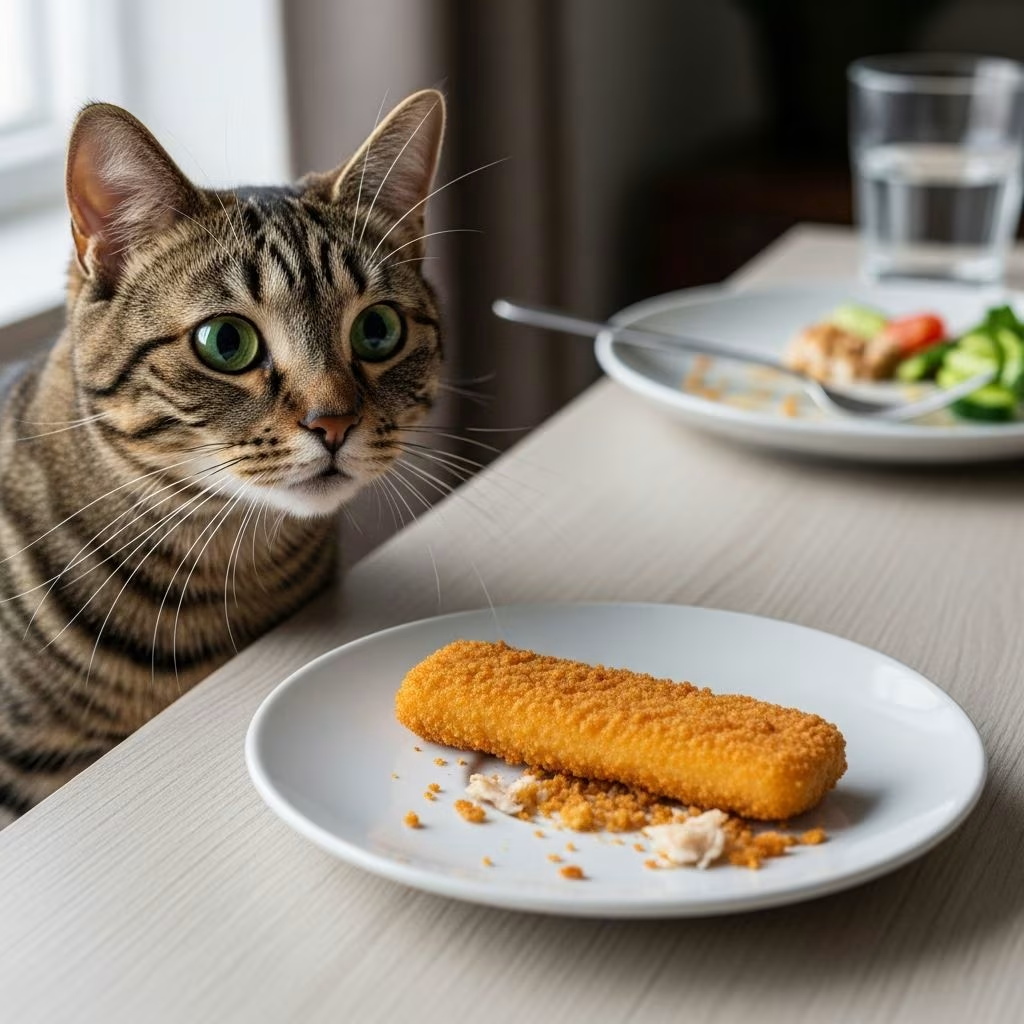
Cats often beg for human food, especially fishy treats like fish sticks. While the plain fish inside may offer some protein, fish sticks as a whole are not ideal for cats due to breading, oils, salt, and additives that can harm their health. Veterinary experts recommend avoiding them or offering only tiny, plain portions occasionally.
Fish has long been associated with cats, but processed versions like fish sticks introduce risks. Understanding ingredients and feline nutritional needs helps pet owners make informed choices. This article covers safety, benefits, risks, alternatives, and FAQs based on vet-verified info.
What Are Fish Sticks?
Fish sticks are frozen or breaded fillets typically made from white fish like cod, pollock, haddock, or hake. They are coated in batter or breadcrumbs, fried or baked, and often seasoned with salt, spices, and preservatives. Brands vary, but common ingredients include vegetable oils, wheat flour, sugar, and monosodium glutamate (MSG).
These human snacks prioritize taste and shelf life over pet nutrition. For cats, obligate carnivores requiring high-protein, low-carb diets, the carbs from breading and added fats disrupt balance.
Can Cats Eat Fish Sticks?
No, cats should not eat fish sticks regularly. A small bite of plain fish (breading removed) is generally safe occasionally, but the full product poses digestive upset from oils, salt, and carbs. Dipping sauces like tartar add more dangers with high fat and onions, which are toxic.
- Plain fish portion: Okay in tiny amounts as a treat (less than 10% of diet).
- Breading/batter: Upsets stomach with oil, fat, salt, sugar.
- Sauces: Avoid entirely due to toxic ingredients.
Kittens, seniors, or cats with health issues face higher risks. Always consult a vet for personalized advice.
Benefits of Fish for Cats
Fish provides protein, omega-3 fatty acids for skin, coat, joints, and heart health. Types like salmon, sardines, and mackerel support inflammation reduction and glossy fur. Cod offers low-mercury protein for kidney and immune support.
- Omega-3s: Promote healthy skin, reduce allergies.
- Protein: Essential for muscle maintenance.
- Vitamins: B12, D, niacin for energy, bones.
However, benefits require plain, cooked fish in moderation. Fish sticks dilute these with unhealthy additives.
Risks and Dangers of Fish Sticks for Cats
Fish sticks carry multiple hazards for felines.
Digestive Issues
Breading’s oils, fats, and carbs cause vomiting, diarrhea, or pancreatitis. Salt leads to thirst, dehydration, or sodium toxicity.
Nutritional Imbalances
High phosphorus/magnesium in processed fish exacerbates urinary/kidney problems. Fish-heavy diets risk thiamine (B1) deficiency from thiaminase enzyme, causing neurological issues.
Allergies and Sensitivities
Some cats develop allergies to fish, leading to itching or GI upset. Processed fish may contain menadione (Vitamin K synthetic form), linked to toxicity.
Mercury and Contaminants
Though white fish in sticks has low mercury, frequent fish intake accumulates toxins. Avoid raw or undercooked to prevent bacteria/parasites.
Hyperthyroidism Link
Fish-based foods correlate with hyperthyroidism epidemics in cats, possibly from pollutants like PBDEs.
| Risk Factor | Impact on Cats | Source Fish Sticks |
|---|---|---|
| Salt & Oils | Dehydration, Pancreatitis | Breading, Frying |
| Carbs/Sugar | Obesity, Diabetes | Batter |
| Thiaminase | Thiamine Deficiency, Neurologic Issues | Raw Fish Residue |
| Phosphorus | Urinary/Kidney Disease | Processed Fish |
How to Safely Feed Fish to Cats
Opt for plain, cooked fish without seasonings, bones, or skin excesses.
- Cook thoroughly: Kills bacteria/parasites.
- Remove bones/scales: Choking hazard.
- Moderation: 1-2 small pieces weekly.
- No oils/brine: Avoid sunflower oil (pansteatitis risk), salt-cured.
Best fish: Salmon, sardines (in water), mackerel (fresh, not smoked), cod, haddock.
Healthier Alternatives to Fish Sticks
Commercial cat treats or foods with fish flavors provide balanced nutrition.
- Freeze-dried fish treats (vet-approved).
- Cat food with fish as minor ingredient (<25%).
- Homemade: Steamed plain fish chunks.
- Omega-3 supplements for coat/joint benefits.
Prioritize AAFCO-approved cat food tailored to age/health (kitten, senior, urinary diets). Fish flavors stimulate picky eaters without excess.
Fish Nutrition Comparison Table
| Fish Type | Benefits | Cautions | Safe Prep |
|---|---|---|---|
| Salmon | Omega-3s, protein, vitamin D | High fat; moderation | Cooked, skinless |
| Sardines | Calcium, B12, low mercury | No oil/brine | Canned in water |
| Cod | Low fat, heart/kidney support | Breading in sticks | Plain, baked |
| Mackerel | Skin/coat health, constipation relief | No smoked/salt | Fresh, small amounts |
| Haddock | Protein, B vitamins | No seasonings | Steamed |
What About Kittens, Seniors, or Cats with Health Issues?
Kittens tolerate small plain fish tastes to build appetite diversity, but stick to kitten food. Seniors benefit from low-phosphorus fish sparingly. Cats with kidney/urinary disease avoid high-phosphorus fish entirely. Allergic cats switch to novel proteins like rabbit.
Expert Tips for Cat Nutrition
A balanced diet prevents finickiness and obesity. Fish should never exceed treats; core nutrition from complete cat food. Monitor for allergies: itching, diarrhea post-fish. Annual vet checkups catch issues early.
Frequently Asked Questions (FAQs)
Can cats eat raw fish?
No, raw fish risks thiaminase deficiency, bacteria, parasites. Always cook.
Are canned sardines safe for cats?
Yes, in water, not oil or brine. Rinse salt; occasional treat.
Is fish bad for cats with kidney disease?
Yes, high phosphorus worsens issues. Choose vet diets.
How much fish can cats eat weekly?
Max 10% of diet; 1-2 tsp plain cooked fish.
Why do vets warn against fish cat food?
Links to hyperthyroidism, deficiencies, urinary problems.
Can fish sticks kill my cat?
Not usually one bite, but regular feeding risks toxicity, obesity.
Fish sticks tempt but aren’t cat-friendly. Stick to vet-approved treats for a thriving feline friend. Prioritize balanced nutrition for longevity and vitality.
References
- Can cats eat fish, seafood and shellfish? — Bella+Duke. 2023. https://www.bellaandduke.com/cats/expert-advice/cat-nutrition/can-cats-eat-raw-fish/
- Can Cats Eat Fish Sticks? Vet-Verified Nutrition Facts & Info — Hepper. 2024. https://articles.hepper.com/can-cats-eat-fish-sticks/
- Why Fish is Dangerous for Cats — Little Big Cat, Dr. Jean Hofve. 2022. https://littlebigcat.com/why-fish-is-dangerous-for-cats/
- Can My Cat Eat That? The Most Commonly Asked Culprits Answered by a Veterinarian — Solano Pet Emergency. 2023. https://solanopetemergency.com/services/blog/can-my-cat-eat-most-commonly-asked-culprits-answered-veterinarian.html



