

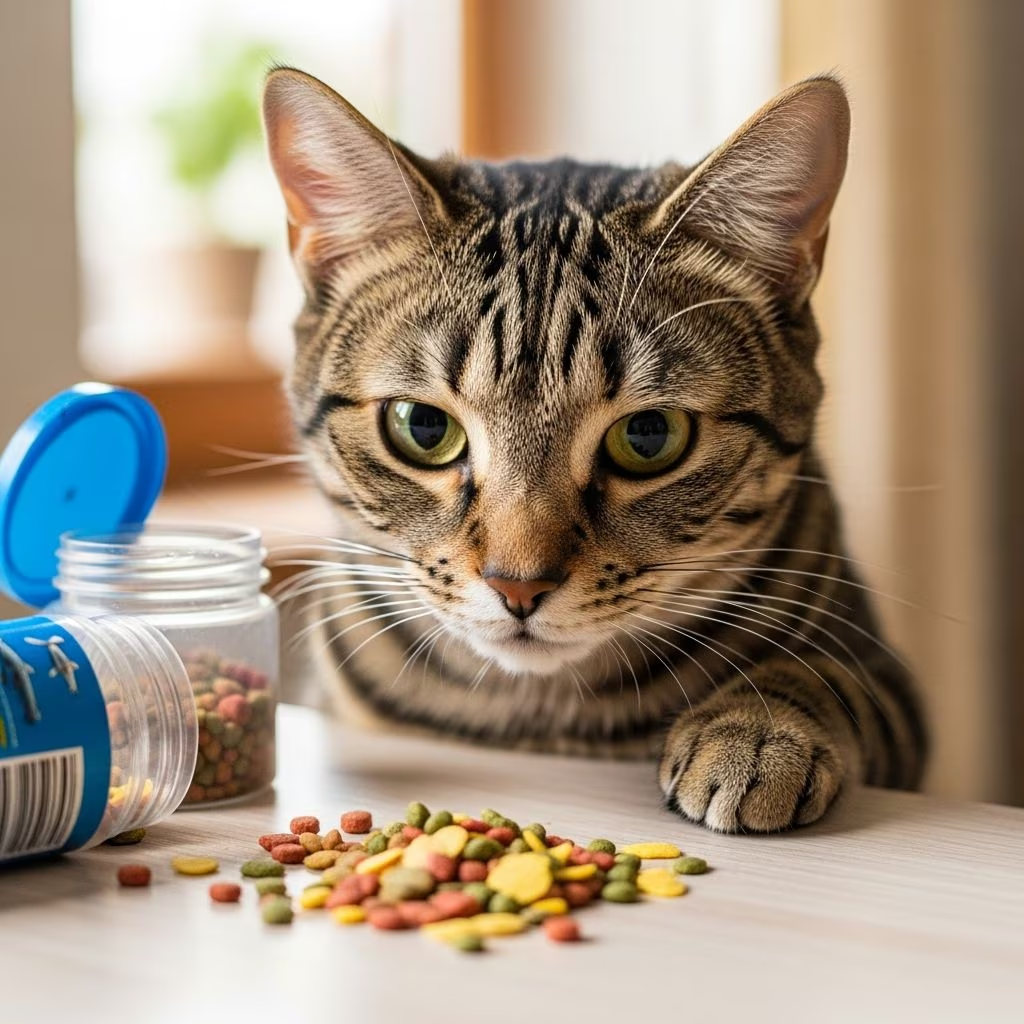
Cats often show keen interest in fish food due to its strong aroma and fish-based ingredients. While fish food is primarily formulated for aquatic pets, it contains fish meal and seafood meal, which are concentrated proteins safe for cats in very small amounts. However, it is not recommended as a regular part of a feline diet because it lacks the balanced nutrients cats require, such as proper calcium-to-phosphorus ratios and essential vitamins tailored for carnivores.
Fish food may tempt your cat, but feeding it routinely can lead to nutritional deficiencies and health issues. Wild cats rarely consume fish, preferring land prey, so their digestive systems are optimized for other proteins. Modern commercial cat foods sometimes include fish for palatability, but even those are best limited to avoid problems like allergies or thiamine destruction.
Can Cats Eat Fish Food?
Generally, fish food is safe if your cat sneaks a few flakes, but it should never replace or supplement their primary diet. The main components—fish meal and seafood meal—provide protein, but the formulation targets fish needs, not mammalian carnivores like cats. Cats require high taurine levels, precise mineral balances, and arachidonic acid, which fish food often inadequately supplies.
Ingredients in fish food might include binders, plant-based fillers, or algae derivatives unsuitable for cats. Occasional nibbles won’t harm most healthy cats, but regular feeding risks obesity from calorie-dense flakes or digestive upset from unfamiliar additives. Always check labels: avoid products with excessive oils, salts, or preservatives toxic to felines.
The Risks of Feeding Fish Food to Cats
While a pinch of fish food might seem harmless, several risks make it inadvisable. Fish-based products can introduce enzymes and contaminants problematic for cats.
- Thiaminase Enzyme: Many fish contain thiaminase, which destroys thiamine (vitamin B1), vital for nervous system function and energy metabolism. Deficiency symptoms include appetite loss, seizures, paralysis, and vision issues.
- Nutritional Imbalances: Fish food is low in calcium relative to phosphorus, disrupting the crucial 1.2:1 ratio cats need. This is especially harmful for kidney-compromised cats, exacerbating phosphorus buildup.
- Mercury and Toxins: Certain fish in meals accumulate mercury, heavy metals, or pollutants, leading to toxicity over time.
- Allergies and Sensitivities: Fish is a common allergen for cats, causing skin irritations, itching, or gastrointestinal distress.
- Bacterial Risks: Flakes may harbor bacteria if not stored properly, though dry forms are lower risk than raw fish.
These issues compound if fish food becomes a staple, potentially leading to pansteatitis (yellow fat disease) from high omega-6 fats in oil-packed variants.
Why Do Cats Like Fish Food So Much?
Cats’ affinity for fish stems from its pungent smell, rich in amino acids like taurine and appealing fats. The strong odor mimics prey signals, triggering hunting instincts. Fish food’s concentrated fish meal amplifies this allure, making it irresistible even if nutritionally mismatched.
Evolutionarily, cats are obligate carnivores drawn to high-protein, fatty foods. Fish provides omega-3s for coat health, but over-reliance ignores their preference for mammalian proteins. This love can lead to begging behaviors, but owners must prioritize health over indulgence.
Can Cats Eat Fish?
Cats can eat certain fish safely in moderation as treats, not meals. Cooked, plain fish offers protein, omega-3s for joint health, skin, and coat shine. However, raw fish poses severe risks and should be avoided.
| Fish Type | Safe for Cats? | Benefits | Risks/Notes |
|---|---|---|---|
| Salmon (cooked) | Yes, in moderation | Omega-3s for heart, eyes | Avoid raw; high fat if overfed |
| Tuna | Limited amounts | Protein | High mercury; thiaminase |
| Cod | Yes | Low-fat protein, omega-3s | Lower mercury; plain only |
| Sardines (in water) | Yes, occasionally | Vitamins, calcium | Avoid oil or salt-packed |
| Anchovies | No if salted | Protein | High sodium toxic |
| Herring (smoked) | No | – | High salt, spices |
Select low-mercury fish like salmon or cod, deboned and skinless. Limit to 10% of diet to prevent deficiencies.
Quick Answers: Can Cats Eat These Fish Foods?
- Tuna Fish Food: No regular feeding; mercury risk.
- Goldfish Flakes: Occasional tiny amounts only; not nutritionally complete.
- Shrimp Pellets: Avoid; potential allergens and shells.
- Tropical Fish Food: Similar issues; formulated for herbivores/omnivores.
Healthier Alternatives to Fish Food for Cats
Opt for commercially prepared cat foods meeting AAFCO standards, with fish as a flavoring, not base. These are cooked to neutralize thiaminase and balanced for feline needs.
- Fish-Flavor Cat Foods: Safe if from reputable brands; no GI upset evidence.
- Cooked Fish Treats: Plain baked salmon or whitefish, bite-sized.
- Freeze-Dried Fish Treats: Nutrient-dense, low-risk options.
- Commercial Wet Foods: High-moisture with fish proteins, vet-approved.
For homemade, consult a vet nutritionist; supplement thiamine if using fish. Poultry or beef-based kibble/wet food provides ideal nutrition without fish pitfalls.
Fish in Commercial Cat Food: Safe or Not?
Fish appears in many cat foods for taste, and when processed correctly, it’s safe. Manufacturers add thiamine post-cooking and balance minerals. Fish meal boosts protein without raw risks. However, fish-heavy diets may cause allergies; rotate proteins. No evidence links fish-flavored canned food to harm. Choose variety for optimal health.
Frequently Asked Questions
Is fish food toxic to cats?
No, but not ideal; risks nutritional gaps and thiaminase if raw elements present.
Can kittens eat fish food?
Avoid; growing kittens need precise nutrition for development.
How much fish can cats eat safely?
10% max of calories; prefer cooked, low-mercury types.
Does fish cause allergies in cats?
Yes, common trigger for dermatitis or digestive issues.
Is canned tuna okay for cats?
Sometimes in water, sparingly; mercury accumulates.
Can cats eat raw fish?
No; thiaminase, parasites, bacteria risks.
Conclusion
While cats adore fish food, it’s best as a rare curiosity, not diet staple. Prioritize balanced commercial foods or vet-guided fresh options to sidestep thiamine deficiency, imbalances, and toxins. Monitor for allergies, introduce new foods gradually, and consult vets for personalized advice. A varied, species-appropriate diet ensures your cat thrives with shiny coat, vitality, and longevity.
References
- Can cats eat fish, seafood and shellfish? — Bella+Duke. 2023. https://www.bellaandduke.com/cats/expert-advice/cat-nutrition/can-cats-eat-raw-fish/
- Lil’ Bite of the Day: Fishy Feeding. — Cat Nutrition. 2022. https://catnutrition.org/lil-bite-of-the-day-fishy-feeding/
- Fish Facts. — All Cats Veterinary Clinic. 2021. https://www.allcatsvetclinic.com/storage/app/media/do-not-feed-fish-to-your-cat.pdf
- Can Cats Eat Fish Food? Vet-Approved Facts & Healthy Alternatives. — Catster. 2024-01-14. https://www.catster.com/nutrition/can-cats-eat-fish-food/
- Of Cats and Fish – Is Fish Bad for Cats. — PetMD. 2013-07-01. https://www.petmd.com/blogs/nutritionnuggets/cat/jcoates/2013/july/is-fish-bad-for-cats-30648
- Can Cats Eat Raw Fish. — Park Veterinary Hospital. 2023. https://parkvet.net/blog/can-cats-eat-raw-fish/



