

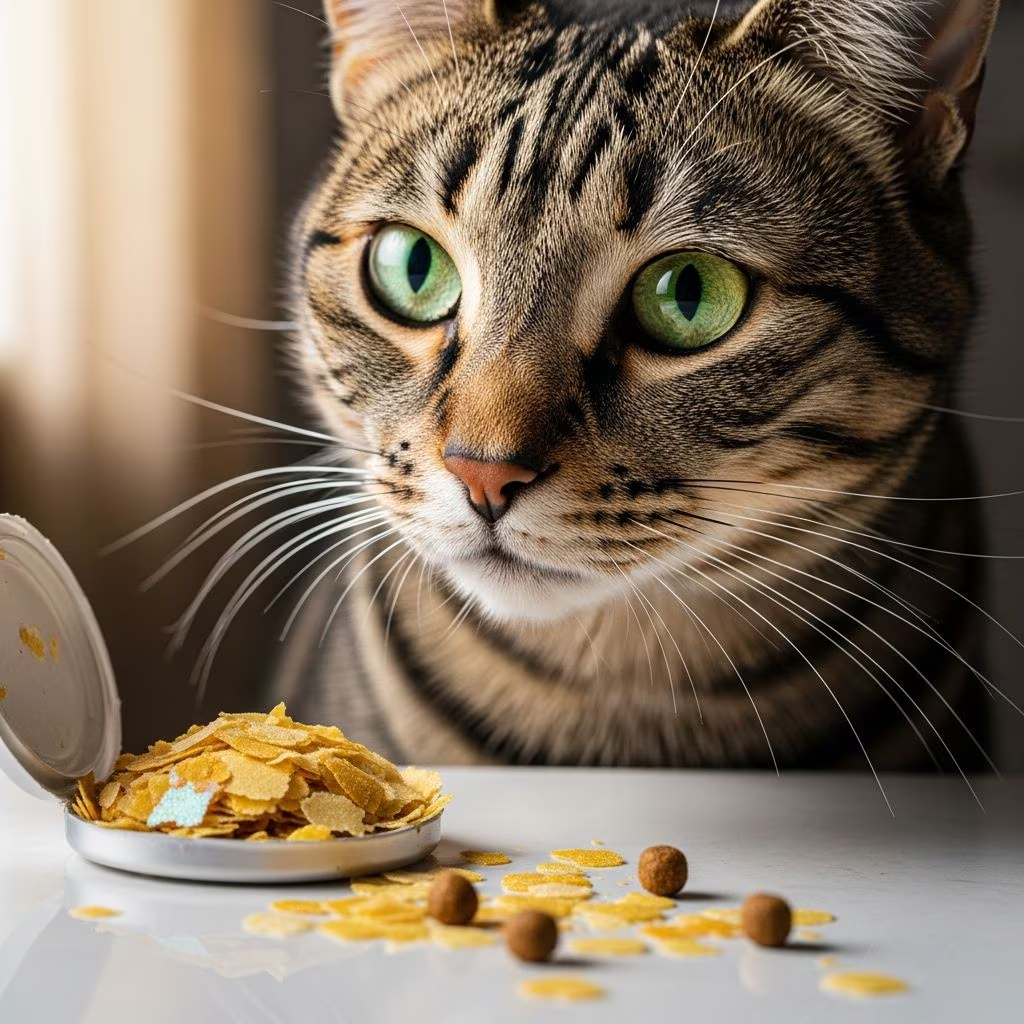
Cats often show keen interest in fish food due to its strong aroma and fish-based ingredients. While fish food is primarily formulated for aquatic pets, it contains fish meal and seafood meal, which are concentrated proteins safe for cats in very small amounts. However, it is not recommended as a regular part of a cat’s diet because it lacks the balanced nutrients felines require and may pose health risks.
Fish food does not provide the complete nutrition cats need, including proper levels of taurine, calcium, and other essential vitamins tailored for carnivorous mammals. Cats are obligate carnivores, meaning their diet should primarily consist of high-quality animal proteins with minimal plant matter or fillers common in fish feeds. Feeding fish food regularly can lead to nutritional imbalances over time.
Quick Answer: Can Cats Eat Fish Food?
Yes, cats can eat small amounts of fish food occasionally without immediate harm, but it should not be a staple. The product is designed for fish, not cats, so it misses key feline nutritional needs and may contain unsafe elements like excess fillers or preservatives. A few flakes pinched from a bowl won’t cause issues, but consistent feeding is discouraged.
Understanding Fish Food Ingredients
Fish food typically includes fish meal, seafood derivatives, grains, vitamins, and minerals suited for cold-blooded fish. These meals are rendered proteins higher in concentration than whole fish, offering some nutritional value. However, ingredients like plant-based binders or algae derivatives aren’t ideal for cats, who thrive on meat-heavy diets.
- Fish Meal: Provides protein but may accumulate contaminants like mercury.
- Fillers: Grains or veggies unnecessary for cats and potentially hard to digest.
- Additives: Preservatives or colors safe for fish but not optimized for mammalian metabolism.
Cats in the wild rarely consume fish, preferring land prey, so their digestive systems aren’t evolved for heavy fish intake. Modern commercial cat foods sometimes include fish for palatability, but even those are balanced to mitigate risks.
Potential Risks of Feeding Cats Fish Food
While a nibble here and there is harmless, regular consumption introduces several vetted risks backed by veterinary insights.
Thiaminase Enzyme in Raw Fish Components
Many fish contain thiaminase, an enzyme that breaks down thiamine (vitamin B1), crucial for cats’ nervous system, energy metabolism, and preventing seizures or paralysis. Fish foods with raw or underprocessed fish meal exacerbate this, potentially leading to deficiency over time. Cooking deactivates thiaminase, but most fish foods aren’t prepared this way for cats.
Low Calcium to Phosphorus Ratio
Whole fish or fish-based foods are notoriously low in calcium relative to phosphorus, disrupting the critical 1:1 to 2:1 ratio cats need. This imbalance harms bone health and is especially dangerous for kidney-compromised cats, as high phosphorus accelerates disease. Even bone-inclusive fish falls short for feline needs.
Mercury and Heavy Metal Accumulation
Predatory fish in meals can carry mercury, arsenic, and other toxins. Cats on fish-heavy diets show mercury levels up to five times human averages, risking hyperthyroidism, kidney failure, and neurological issues. Arsenic in fish-rich foods links directly to kidney disease in studies.
Vitamin E Depletion and Steatitis
Unsaturated fats in fish, especially tuna derivatives, deplete vitamin E, causing painful steatitis (yellow fat disease) with symptoms like hypersensitivity and appetite loss. Fish oils high in omega-6 can trigger pansteatitis.
Other Concerns: Allergens, Sodium, and Oils
Fish is a common allergen for cats, causing skin issues or digestive upset. Flavors in oil-packed or salted fish foods add excess sodium or fats harmful in quantity. Bacterial risks from raw elements like Salmonella persist if not properly processed.
| Risk Factor | Impact on Cats | Source Examples |
|---|---|---|
| Thiaminase | Nervous system damage, seizures | Raw fish meals |
| Low Calcium | Bone/kidney issues | Whole fish imbalance |
| Mercury/Arsenic | Kidney disease, hyperthyroidism | Predatory fish |
| Vitamin E Loss | Steatitis, pain | Tuna/oily fish |
Is Fish Actually Good for Cats?
Fish offers omega-3s for skin, coat, joints, heart, and brain health. Types like salmon, cod, sardines (in water), and mackerel provide protein, vitamins (B6, B12, D), and minerals when fed properly. However, benefits are outweighed by risks unless supplemented correctly. Wild cats eat minimal fish; domestic ones don’t need it as a primary source.
- Safe Fish Options (Occasional, Cooked): Salmon for omega-3s, cod for low mercury, sardines in water for calcium.
- Avoid: Raw fish, oily/salted canned, smoked herring, high-mercury tuna.
Healthy Alternatives to Fish Food for Cats
Opt for complete, AAFCO-approved commercial cat foods with named meats like chicken, turkey, or beef as first ingredients. These ensure taurine, balanced minerals, and no excesses.
- Commercial Kibble/Wet Food: High-protein, grain-free options mimic natural prey.
- Raw or Freeze-Dried: Balanced recipes with safe fish inclusions, like chicken + salmon blends.
- Homemade (Vet-Supervised): Meat-based with calcium supplements; avoid whole fish.
- Supplements: Microalgae omega-3 oils for benefits without contaminants.
Rotate proteins to prevent allergies and ensure variety. Consult a vet for personalized advice, especially for seniors or health-issue cats.
Frequently Asked Questions
Is it okay if my cat ate some fish food?
Yes, a small amount is unlikely to harm; monitor for vomiting or lethargy. Don’t make it a habit.
Can cats eat raw fish from fish food?
No, raw fish risks thiaminase, bacteria, and parasites. Always cook or use processed cat-safe sources.
Why do cats love fish flavors?
The strong scent mimics prey; it’s palatable but not nutritionally superior.
Does fish cause allergies in cats?
Yes, fish is a top allergen, leading to itchy skin or GI issues.
What fish is safest for cats?
Cooked salmon, cod, or water-packed sardines in moderation; avoid tuna long-term.
Conclusion: Prioritize Balanced Feline Nutrition
While cats may enjoy fish food’s taste, it’s not a suitable or safe regular food. Risks like nutritional deficiencies, toxins, and imbalances far outweigh minor benefits. Stick to vet-approved cat foods for optimal health, shiny coats, and longevity. If introducing fish, do so sparingly and safely.
References
- Can cats eat fish, seafood and shellfish? — Bella+Duke. 2023. https://www.bellaandduke.com/cats/expert-advice/cat-nutrition/can-cats-eat-raw-fish/
- Eight Strikes Against Fishy Feeding for Cats — Cat Nutrition. 2022. https://catnutrition.org/lil-bite-of-the-day-fishy-feeding/
- Can Cats Eat Fish Food? Vet-Approved Facts & Healthy Alternatives — Catster. 2024-01-15. https://www.catster.com/nutrition/can-cats-eat-fish-food/
- FISH FACTS — All Cats Veterinary Clinic. 2023. https://www.allcatsvetclinic.com/storage/app/media/do-not-feed-fish-to-your-cat.pdf
- 6 Top Reasons Why Cats Should NOT Eat Fish — Just Be Kind. 2023. https://justbekind.co.uk/blogs/news/5-top-reasons-why-cats-should-not-eat-fish



