

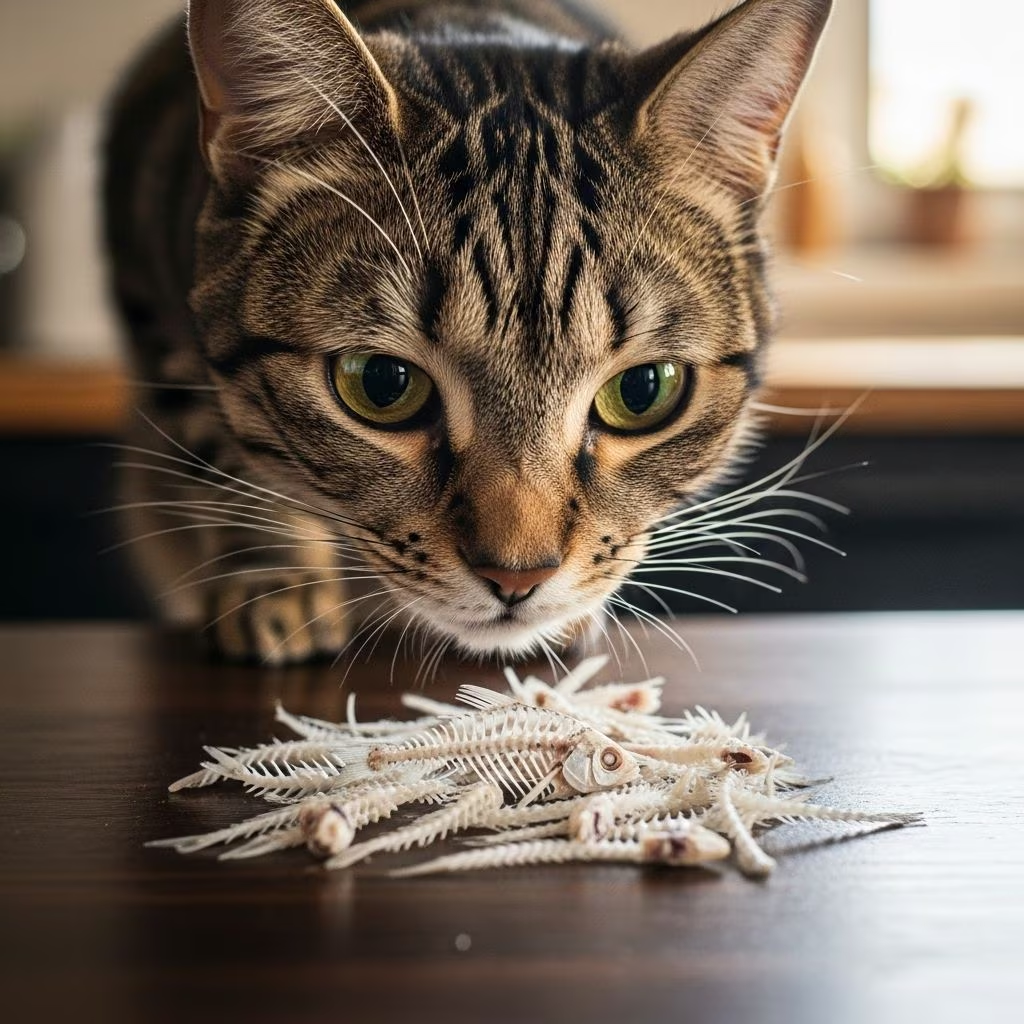
Fish bones are not toxic to cats, but they are unsafe due to risks of choking, injury, and digestive issues. Always remove bones before feeding fish to protect your cat’s health.
Quick Answer: Can Cats Eat Fish Bones?
No, cats should not eat fish bones. While fish itself offers nutritional benefits like omega-3s and protein, the bones are sharp, brittle, and can cause choking, punctures, or blockages in a cat’s mouth, throat, esophagus, or intestines.
Cats are obligate carnivores that thrive on high-protein diets, and fish can be a tasty occasional treat. However, bones introduce unnecessary dangers that outweigh any potential benefits. Veterinary experts unanimously advise against feeding any fish bones, whether raw or cooked.
Why Do Cats Like Fish So Much?
Cats are naturally drawn to fish due to its strong odor and taste, which mimic their ancestral prey. The high protein and fat content appeals to their carnivorous instincts, making fish an enticing snack.
- Amino acids: Fish provides taurine and other essentials for heart health and vision.
- Omega-3 fatty acids: These reduce inflammation, support skin/coat health, and aid joint mobility.
- Low carbs: Aligns with a cat’s meat-based dietary needs, preventing obesity.
- Variety: Adds excitement to meals, boosting appetite in picky eaters.
Despite these perks, the risks from bones make whole fish problematic. Opt for deboned preparations to let cats enjoy the flavor safely.
The Dangers of Fish Bones for Cats
Fish bones are small, thin, sharp, and brittle—qualities that make them particularly hazardous for cats. Unlike larger bones from land animals, fish bones splinter easily and don’t break down in digestion.
Both raw and cooked bones pose threats: cooking makes them even more brittle, increasing splinter risk.
Choking Hazard
The most immediate danger is choking. Cats may swallow bones whole or in fragments, lodging them in the throat and blocking airways. Symptoms include gagging, coughing, pawing at the mouth, and distress.
- Small bones from sardines or anchovies are especially sneaky.
- A cat’s narrow esophagus exacerbates lodging.
- Emergency intervention may be needed if breathing is impaired.
Injury to Mouth, Throat, and Esophagus
Sharp edges can lacerate soft tissues, causing pain, bleeding, swelling, and infection. Fragments may pierce the esophagus, leading to perforations or abscesses.
Cats often show drooling, refusal to eat, or vocalizing in pain.
Gastrointestinal Blockages and Perforations
Swallowed bones travel to the stomach or intestines, where they can obstruct passage or puncture walls. This leads to vomiting, lethargy, abdominal pain, and potentially fatal peritonitis if bacteria leak.
Surgery is often required for severe cases, with recovery taking weeks.
Other Risks
- Oral damage: Bones stuck in gums or teeth cause inflammation and dental issues.
- Thiamine deficiency: Excessive raw fish contains thiaminase, breaking down vitamin B1 and risking neurological problems like seizures.
- Bacterial contamination: Raw fish risks salmonella; FDA advises not leaving it out over 2 hours.
- Mercury buildup: Predatory fish like tuna accumulate toxins harmful long-term.
| Risk | Symptoms | Potential Outcome |
|---|---|---|
| Choking | Gagging, coughing, blue gums | Asphyxiation if untreated |
| Injury/Perforation | Drooling, pain, fever | Infection, surgery |
| Blockage | Vomiting, bloating, lethargy | Intestinal rupture |
| Thiamine Deficiency | Weakness, seizures | Neurological damage |
How to Safely Feed Fish to Your Cat
Remove all bones meticulously—use tweezers for thoroughness. Cook fish plainly without seasonings, oils, or salt, which can upset stomachs.
Preparation Tips
- Debone completely: Check fillets under light for missed bones.
- Cook thoroughly: Bake, steam, or poach to kill parasites/bacteria.
- Portion control: Limit to 10% of diet to avoid nutritional imbalances.
- Fresh or canned: Use boneless, low-mercury options like salmon in water.
Best Fish Choices
| Fish Type | Benefits | Cautions |
|---|---|---|
| Salmon | High omega-3s | Low mercury if wild-caught |
| Sardines | Calcium, affordable | Debone canned varieties |
| Whitefish | Mild flavor | Avoid high-mercury types |
| Tuna | Protein-rich | Limit due to mercury |
Alternatives to Whole Fish
Safer options deliver benefits without risks.
- Fish oil supplements: Pure omega-3s, vet-recommended doses.
- Commercial cat food: Fish-flavored kibble/wet food with bones removed.
- Other proteins: Chicken, turkey—less bony, highly digestible.
- Freeze-dried treats: Deboned fish morsels.
Consult your vet for personalized diet plans, especially for kittens, seniors, or cats with health issues.
What to Do If Your Cat Eats a Fish Bone
Act quickly but calmly. Monitor for 24-48 hours.
Signs of Trouble
- Choking: Labored breathing, collapse—call vet/emergency NOW.
- Mild distress: Gagging, drooling, pawing mouth—offer bread/soft food to cushion.
- GI issues: Vomiting >2x, no appetite, pain—seek vet same day.
Never induce vomiting without vet guidance. X-rays or endoscopy may diagnose issues; surgery for blockages/perforations.
Prevention is key: Supervise treats, educate household members.
FAQs
Can cats safely eat cooked fish bones?
No, cooked bones are brittle and splinter more easily, posing the same or greater risks as raw ones.
What should I do if my cat swallows a fish bone?
Watch for symptoms like choking or vomiting. Contact your vet immediately for assessment and treatment.
Are fish bones more dangerous than other bones for cats?
Yes, their small size, sharpness, and brittleness make fish bones riskier than sturdier poultry/mammal bones.
Can fish oil supplements replace feeding fish to cats?
They provide omega-3s safely but lack full proteins; use as a supplement, not replacement.
Is raw fish safe for cats if deboned?
Deboned raw fish risks bacteria/parasites; cook it or use commercial raw diets formulated for safety.
References
- Can Cats Eat Fish Bones Safely? — Zoorithm. 2023. https://www.zoorithm.com/cats/can-cat-eat-fish-bone
- Fish bones are bad for cats — Manila Standard. 2024-10-01. https://manilastandard.net/?p=314500441
- Can Cats Eat Fish Bones? Vet-Reviewed Feeding Facts — Catster. 2024. https://www.catster.com/cat-health-care/can-cats-eat-fish-bones/
- Can Cats Eat Fish Bones? Vet-Reviewed Safety Facts — Hepper. 2024. https://articles.hepper.com/can-cats-eat-fish-bones/
- Can Cats Eat Bones? How to Feed Them Safely? — Bella+Duke. 2023. https://www.bellaandduke.com/cats/expert-advice/cat-nutrition/can-cats-eat-bones/



