

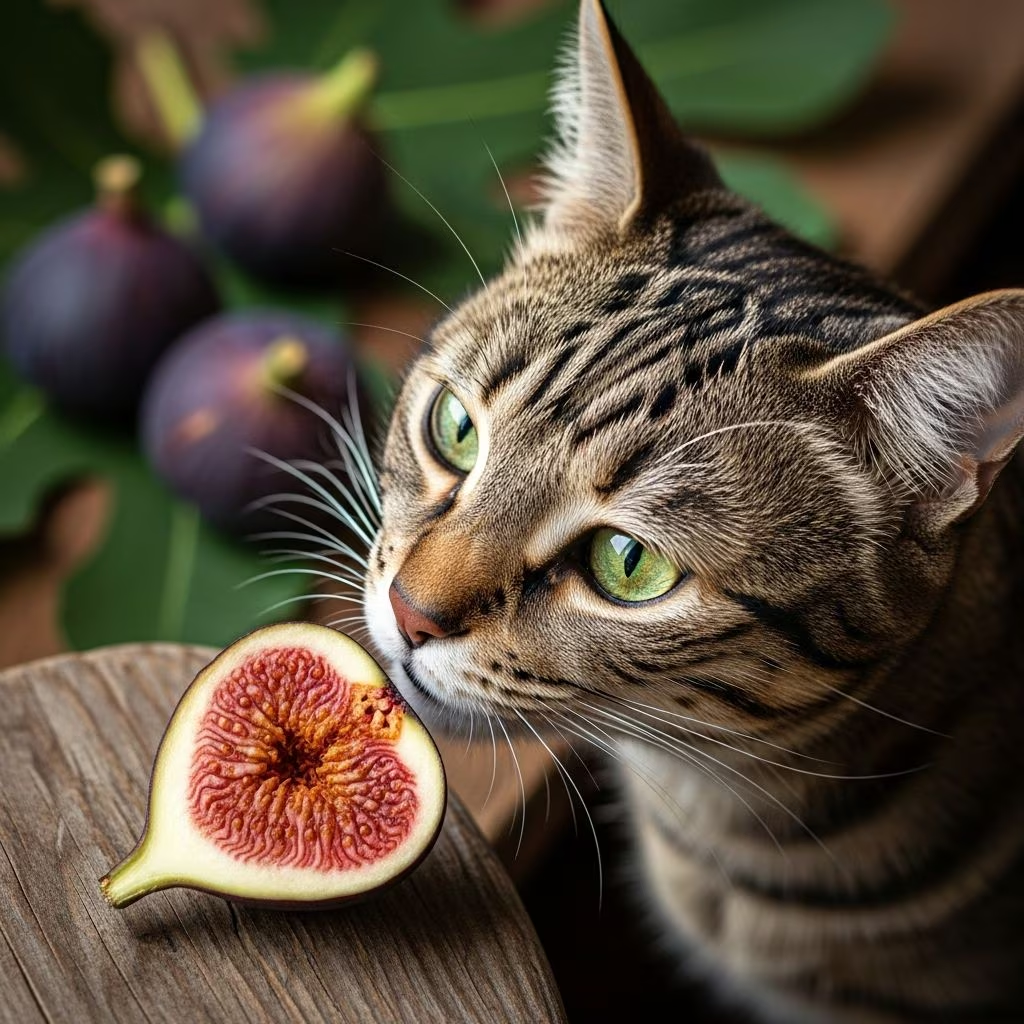
Figs offer a sweet, nutritious treat for humans, packed with fiber, vitamins, and minerals. But can cats eat figs? As obligate carnivores, cats have specific dietary needs that don’t align with fruits like figs. While the ripe fig fruit itself is not highly toxic, it can cause digestive upset, and other parts of the fig plant—such as sap, leaves, and unripe fruit—contain irritants that pose real risks to your feline friend. This vet-verified guide breaks down the facts, symptoms, risks, and safer alternatives to keep your cat healthy.
Are Figs Safe for Cats?
No, figs are not recommended for cats. Figs (Ficus carica) belong to the Ficus family, which produces a milky sap containing psoralens like ficusin. This sap is a toxic irritant to cats’ skin, eyes, mouth, and gastrointestinal tract. Even the fruit’s skin and pulp contain ficin, an enzyme that can irritate sensitive feline tissues.
Cats lack the amylase enzyme needed to properly digest carbohydrates and sugars abundant in figs. A small nibble might not cause immediate harm, but regular or larger amounts can lead to vomiting, diarrhea, and lethargy. Fully ripe figs have lower ficin levels, but unripe ones are far more dangerous. Veterinary experts advise against offering figs as treats, emphasizing a meat-based diet instead.
Fig Nutrition Facts: Benefits for Humans vs. Risks for Cats
For humans, figs are a powerhouse: one medium fig provides about 5 grams of fiber, potassium, magnesium, and antioxidants that support digestion and heart health. However, these benefits don’t translate to cats. Felines derive no nutritional value from figs and face heightened risks due to their high sugar (around 16 grams per 100g in fresh figs, even more in dried) and fiber content.
| Nutrient | Per 100g Figs (Human Benefit) | Cat Relevance/Risk |
|---|---|---|
| Sugar | 16g | Leads to obesity, diabetes; cats can’t process excess |
| Fiber | 3g | Causes diarrhea, bloating in carnivores |
| Ficin/Psoralens | Present in sap/skin | Mouth/skin irritation, drooling |
| Calories | 74 kcal | Unnecessary; promotes weight gain |
This table highlights why figs, while healthy for us, disrupt feline physiology.
Are Fig Trees & Fig Leaves Toxic to Cats?
Yes, fig trees and leaves are toxic to cats. The sap in fig trees, leaves, and stems contains high concentrations of psoralens (ficusin), causing severe irritation upon contact or ingestion. Cats chewing leaves may experience oral ulcers, excessive drooling, and gastrointestinal distress. Skin contact leads to rashes or dermatitis.
Indoor fig plants are popular ornamentals with glossy leaves, but they’re hazardous in cat households. Roots and unripe fruit amplify risks. Keep plants elevated or choose cat-safe alternatives like spider plants. Dried figs lack leaves but retain ficin in the fruit, compounding issues.
- Sap exposure: Eye redness, skin burns
- Leaf ingestion: Vomiting, diarrhea within hours
- Tree bark: Similar irritants; avoid entirely
Why Are Figs Toxic to Cats?
The primary culprits are ficin (a proteolytic enzyme in fruit skin/pulp) and psoralens (in sap/leaves). Ficin breaks down proteins but irritates cat mouths and stomachs, mimicking allergies. Psoralens trigger phototoxicity—rashes worsen in sunlight.
High sugar exacerbates problems: cats risk pancreatitis, obesity, or diabetes from repeated exposure. Fiber overloads their short digestive tracts, causing loose stools. Choking hazards arise from fig’s sticky texture, especially dried varieties. Unlike dogs, cats’ strict carnivory makes plant matter inefficient and harmful.
Ripe figs are safer than unripe (higher toxin levels), but neither is ideal. Veterinary toxicology notes mild to moderate toxicity, often resolving without treatment—but prevention is key.
Symptoms of Fig Toxicity in Cats
Monitor closely if your cat accesses figs. Symptoms appear within 1-6 hours:
- Mild: Drooling, pawing at mouth, mild vomiting
- Moderate: Diarrhea, appetite loss, lethargy
- Severe: Skin rashes, eye irritation, dehydration from persistent GI upset
Dried figs intensify sugar-related symptoms like hyperactivity followed by weakness. Seek vet care for any signs; induce vomiting only under professional guidance.
What To Do If Your Cat Eats Figs
Act fast: remove fig remnants, rinse mouth/skin with water (avoid forcing). Note quantity and type (fresh/dried). Mild cases may self-resolve with bland diet (boiled chicken/rice), but contact a vet or pet poison hotline immediately.
Diagnosis involves history, exam, and possibly bloodwork. Treatments: anti-emetics, fluids, skin creams. Prognosis is excellent with prompt care—most recover in 24-48 hours. Prevent by storing figs securely and fig-free home.
Are Dried Figs Safe for Cats?
No, dried figs are riskier. Concentration removes water, spiking sugar (up to 48g/100g) and fiber, worsening GI upset. Ficin persists, irritating despite dehydration. Avoid entirely; tiny pieces might tempt but lead to obesity long-term.
Healthy Alternatives: Safe Treats for Cats
Skip figs for vet-approved options:
- Commercial cat treats (low-cal, meat-based)
- Plain cooked meat (chicken, turkey—unseasoned)
- Fish like salmon (in moderation, no bones)
- Catnip or silver vine for fun
- Veggies: small cucumber/pumpkin bits (fiber without sugar)
Limit treats to 10% daily calories. Consult your vet for personalized advice.
Frequently Asked Questions (FAQs)
Can cats eat fresh figs?
Fresh figs carry the same risks as dried: ficin irritation and sugar overload. Best avoided.
Are fig leaves toxic to cats?
Yes, sap causes drooling, rashes, vomiting. Keep plants away.
What if my cat eats a small amount of fig?
Monitor for symptoms; small amounts may cause mild upset. Vet if persists.
Can dried figs cause diabetes in cats?
Repeated high-sugar intake raises diabetes risk in predisposed cats.
Is fig sap dangerous for cat skin?
Yes, causes dermatitis; wash immediately.
Final Thoughts on Cats and Figs
While ripe fig fruit isn’t deadly, the consensus from vets is clear: don’t feed figs to cats. Risks outweigh negligible benefits. Prioritize species-appropriate nutrition for a thriving feline. If in doubt, consult your veterinarian.
References
- Can Cats Eat Dried Figs? Is It Safe for Cats? — Dial A Vet. 2023. https://www.dialavet.com/blog/can-cats-eat-dried-figs
- Can Cats Eat Figs? Nutrition Facts & FAQ (Vet Answer) — Catster. 2023. https://www.catster.com/ask-the-vet/can-cats-eat-figs/
- Can Cats Eat Figs? Risks and Vet Advice — Dial A Vet. 2023. https://www.dialavet.com/blog/can-cats-eat-figs
- Can Cats Eat Figs? Vet-Verified Facts — Huston Veterinary. 2023. https://hustonveterinary.com/can-cats-eat-figs/
- Can Cats Eat Figs? Vet-Approved Health & Safety Guide — Hepper. 2023. https://articles.hepper.com/can-cats-eat-figs/



