

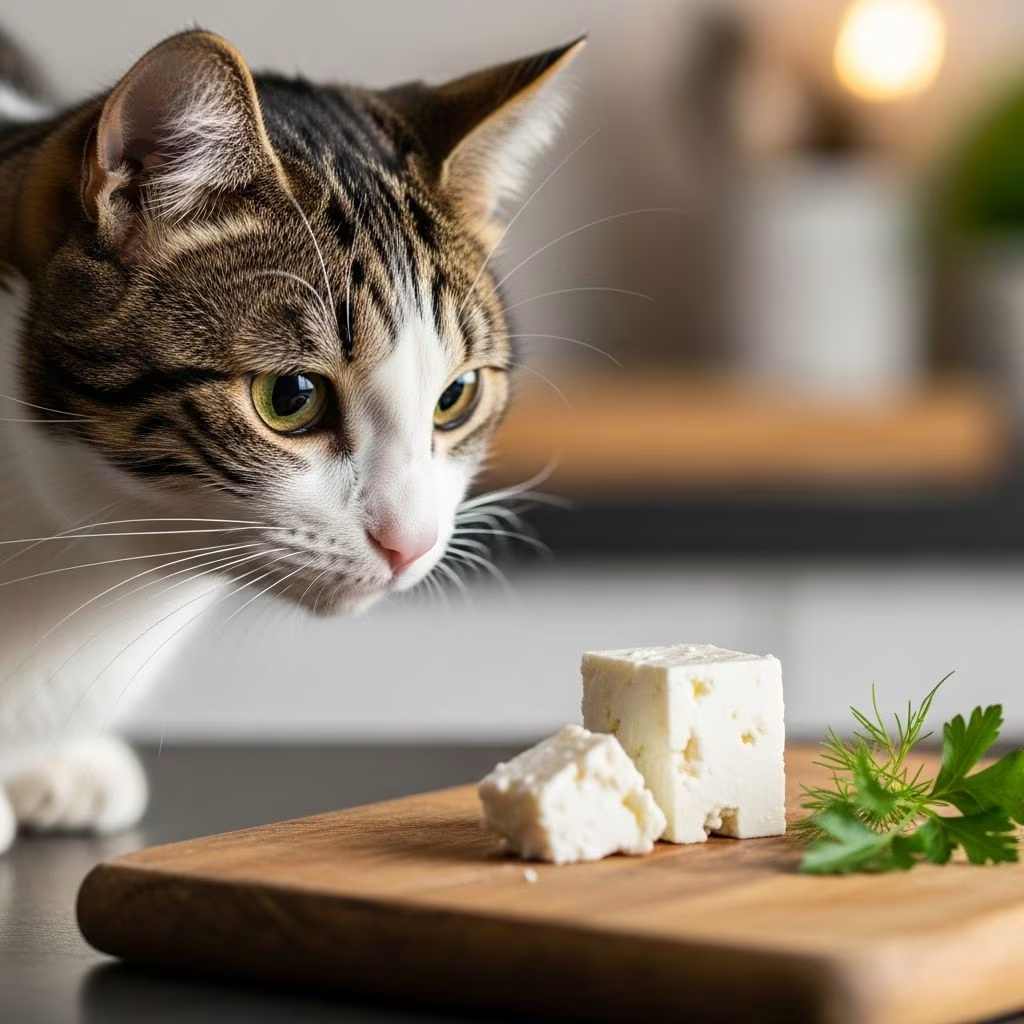
Although it won’t cause any serious harm in tiny amounts, no, you shouldn’t share your feta cheese with your cat. Feta’s salty, tangy flavor appeals to humans but can upset a cat’s delicate digestive system and lead to health issues over time. As obligate carnivores, cats thrive on meat-based proteins, not dairy products like cheese. Most adult cats are lactose intolerant, lacking the enzymes to digest dairy sugars effectively. This article breaks down the nutritional facts, feta’s composition, potential risks, what to do if your cat sneaks a bite, and vet-recommended alternatives to keep your feline happy and healthy.
Dietary Facts in Cats
Cats have unique nutritional needs that differ significantly from humans, making many human foods unsuitable or risky. Understanding these basics helps explain why feta cheese isn’t ideal.
- Obligate Carnivores: Cats are strict carnivores requiring animal-based proteins like taurine for heart health, vision, and reproduction. Feta provides some protein (about 14g per 100g), but it’s incomplete for cats, lacking essential amino acids in the right ratios. Over-reliance on dairy could lead to deficiencies.
- Lactose Intolerant: Kittens produce lactase to digest mother’s milk, but levels drop after weaning. By adulthood, 65-75% of cats can’t break down lactose, causing bloating, gas, diarrhea, and vomiting. Feta, made from sheep or goat milk, has lower lactose than cow’s milk cheese but still enough to trouble sensitive cats.
- Different Nutritional Requirements: Cats need high protein (26-30% of diet), moderate fat (9-15%), and minimal carbs. Human foods like cheese often provide empty calories, disrupting balanced nutrition from commercial cat food formulated to AAFCO standards.
These traits mean treats should mimic a cat’s natural prey—lean meats—not processed dairy. Sharing table scraps risks nutritional imbalance, obesity, or toxicity.
The Composition of Feta Cheese
Feta cheese, a brined white cheese from sheep or goat milk, packs bold flavor from its ingredients. But for cats, these components spell trouble in more than moderation.
- Salt: Feta’s hallmark is its high sodium—up to 1,116mg per 100g, far exceeding a cat’s daily need of 150-250mg. Excess salt risks ‘salt poisoning,’ with symptoms like thirst, vomiting, diarrhea, weakness, tremors, seizures, and even death in severe cases. A small cat (4kg) might show signs after 1-2g sodium; a few bites of feta could approach this.
- Fat: At 21g fat per 100g (mostly saturated), feta exceeds cats’ needs. While fats aid energy and coat health, excess causes pancreatitis, diarrhea, and obesity. Overweight cats face diabetes, arthritis, and liver disease. Long-term cheese treats contribute to 60% of pet obesity cases.
- Additives: Some commercial fetas include garlic, onions, or herbs—toxic to cats. These alliums damage red blood cells, causing hemolytic anemia (pale gums, weakness, rapid breathing). Even trace amounts in flavored varieties pose risks.
- Lactose and Proteins: Sheep/goat milk has galactose over lactose, potentially easier to digest for some cats, but fat/salt issues dominate. Calories (264 per 100g) add up fast in small portions.
| Nutrient (per 100g Feta) | Amount | Cat Daily Need (4kg cat) | Risk Level |
|---|---|---|---|
| Sodium | 1,116mg | 150-250mg | High – Poisoning risk |
| Fat | 21g | 10-15g | High – Obesity, GI upset |
| Protein | 14g | 25-30g | Moderate – Incomplete |
| Lactose | ~1-2g | 0g (intolerant) | Medium – Digestive issues |
This table highlights why even ‘small amounts’ warrant caution—feta concentrates risks in tiny servings.
What to Do if Your Cat Eats Feta Cheese
Cats are curious nibblers; if yours swipes feta, don’t panic but act promptly. Severity depends on amount, cat’s size/health, and prior dairy tolerance.
- Monitor Their Behavior: Watch 24-48 hours for vomiting, diarrhea, lethargy, thirst, tremors, or seizures. Small nibble (<1g/kg body weight)? Likely fine. Larger amounts need vet attention.
- Keep Them Hydrated: Offer fresh water to flush salt. Add low-sodium broth if refusing water. Dehydration worsens symptoms.
- Withhold Food Temporarily: Fast 12-24 hours if GI upset, then reintroduce bland diet (boiled chicken/rice). Avoid dairy.
- When to See a Vet: Immediate if seizures, collapse, blood in stool/vomit, or persistent symptoms. Provide details: amount eaten, time, feta type. Vets may induce vomiting, give fluids, or run bloodwork for sodium/anemia.
Prevention: Store cheese securely; distract with toys during meals. Most incidents resolve at home, but err on caution—cats hide illness well.
Health Risks of Feeding Feta Cheese to Cats
Beyond immediate effects, regular feta endangers long-term health. Lactose ferments in the gut, causing bacterial overgrowth and inflammation. High fat stresses pancreas/liver; salt strains kidneys/heart. Obesity from calorie-dense treats shortens lifespan by 2-3 years. Allergic cats may develop skin issues or chronic diarrhea. Kittens/seniors/pregnant cats face amplified risks due to immature/weakened systems.
Alternatives: Safe and Healthy Treats for Cats
Skip cheese; opt for vet-approved treats comprising <10% calories. Prioritize commercial options or plain cooked meats.
- Commercial Cat Treats: Freeze-dried meat (chicken, salmon) like Stella & Chewy’s—high protein, low carb.
- Plain Cooked Meats: Chicken, turkey, fish (no seasoning/bones). Small pieces delight without risks.
- Low-Lactose Dairy (Rarely): Tiny bits of cottage cheese for tolerant cats—lower lactose (3.3g/100g), but monitor.
- Cat-Safe Veggies/Fruits: Steamed pumpkin (fiber for digestion), blueberries (antioxidants)—sparingly.
- Interactive Toys: Puzzle feeders with kibble for mental stimulation over food treats.
Aim for treats supporting dental health, like Greenies. Always introduce new foods gradually.
Can Cats Eat Other Types of Cheese?
No cheese is ideal, but some are ‘less bad’ in micro-amounts occasionally.
- Cheddar: High fat/salt; avoid regularly—digestive woes.
- Mozzarella: Moderate lactose; small bits ok, but prefer meat.
- Parmesan: Very salty/fatty; rare tiny shaves only.
- Cottage Cheese: Lowest lactose, higher protein; low-fat versions in moderation for tolerant cats.
- Cream/Blue Cheese: High lactose/mold risks; never.
Consensus: Cheese isn’t worth risks. Stick to cat-specific nutrition.
Frequently Asked Questions (FAQs)
Q: Is feta cheese toxic to cats?
A: No, not toxic, but high salt/fat/lactose can cause vomiting, diarrhea, obesity, or poisoning. Avoid sharing.
Q: How much feta is safe for cats?
A: None regularly; tiny taste (<0.5g/kg) occasionally if tolerated, but better zero.
Q: Why are cats lactose intolerant?
A: Lactase enzyme fades post-weaning; undigested lactose ferments, causing GI upset.
Q: Can kittens eat feta cheese?
A: Less intolerant but still risky due to fat/salt. Stick to kitten formula/mother’s milk.
Q: What human foods can cats eat safely?
A: Plain cooked meats, eggs. Avoid onions, garlic, chocolate, grapes.
Q: My cat loves cheese—what now?
A: Redirect to meat treats; consult vet for diet check if begging signals nutritional gaps.
References
- Can Cats Eat Feta Cheese? Vet-Approved Risks & Alternatives — Catster. 2023. https://www.catster.com/nutrition/can-cats-eat-feta-cheese/
- Can Cats Eat Cheese | Safe Treat or Harmful Snack? — Feline Fancy. 2024. https://felinefancy.co.uk/blogs/cat-care-tips/can-cats-eat-cheese
- Can Cats Eat Cheese, Milk and Dairy Products? — Vets Now. 2023-10-15. https://www.vets-now.com/pet-care-advice/can-cats-eat-cheese/
- Can Cats Eat Feta Cheese? — Cheese.com. 2024. https://www.cheese.com/q-and-a/can-cats-eat-feta-cheese/
- Cat Ate Feta Cheese — Dialavet. 2024. https://www.dialavet.com/vet-answers/post/cat-ate-feta-cheese-50057
- Can Cats Eat Cheese? – Expert Advice — Bella+Duke. 2023. https://www.bellaandduke.com/cats/expert-advice/cat-nutrition/can-cats-eat-cheese/
- Can Cats Eat Cheese? Risks & Safe Feeding Tips — MichuPet. 2024. https://michupet.com/blogs/nutrition/can-cats-eat-cheese



