

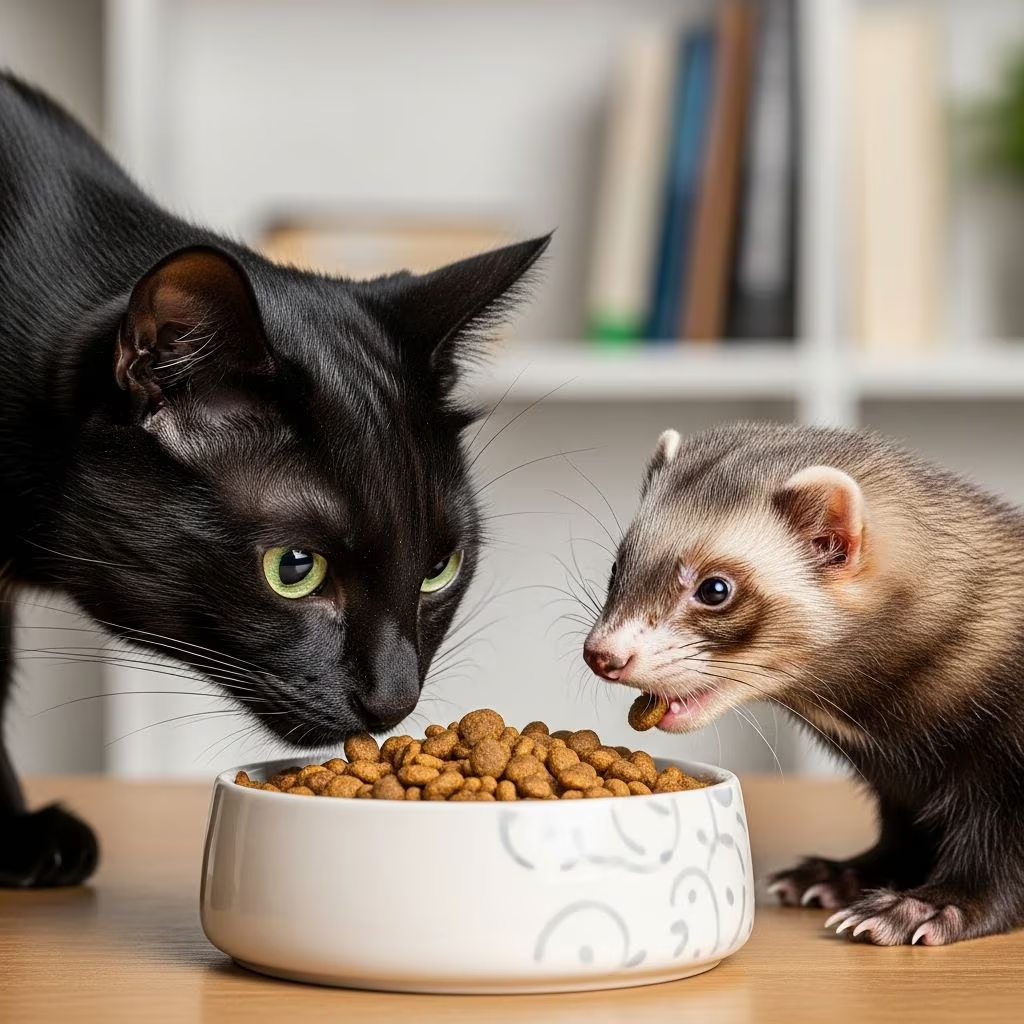
Both cats and ferrets are **obligate carnivores**, meaning their diets must primarily consist of animal-based proteins and fats with minimal carbohydrates and fiber. While small amounts of ferret food won’t harm most cats, it is not a suitable long-term or primary food source due to differences in nutritional profiles tailored to each species’ unique digestive systems and metabolic needs.
Short Answer: Can Cats Eat Ferret Food?
Cats can safely consume **small amounts of ferret food** as an occasional treat, but it should never replace high-quality cat food. Ferret food is formulated for ferrets’ shorter digestive tracts and higher energy demands, which differ from cats’. Regular feeding may lead to digestive upset, nutritional imbalances, or weight issues.
Why Isn’t Ferret Food Appropriate for Cats?
Ferrets have a digestive tract roughly **5 times their body length**, compared to cats’ **8-10 times**, making ferrets less efficient at processing certain nutrients. Ferret diets emphasize **30-35% protein** and **15-20% fat** (dry matter basis) to support their rapid metabolism, while adult cats require high protein but less fat—kitten food aligns more closely with ferret profiles due to higher fat needs for growth.
Commercial ferret foods prioritize meat-based ingredients to mimic their natural prey diet of rodents and small animals. Cats, while also carnivorous, thrive on balanced cat formulas researched extensively for feline taurine needs, vitamin levels, and kibble size. Ferret food’s higher fat content can cause **obesity or pancreatitis** in cats over time, and its availability is limited compared to cat food.
- Protein Levels: Ferrets need 35-45% protein; cats need high protein but balanced with lower fat.
- Fat Content: At least 30% for ferrets vs. moderate for adult cats.
- Fiber: Both low (<4%), but ferret food avoids carbs cats tolerate better.
Nutritional Comparison: Cat Food vs. Ferret Food
To illustrate differences, here’s a table comparing ideal profiles based on veterinary guidelines:
| Nutrient | Cat Food (Adult) | Ferret Food | Key Implication for Cats |
|---|---|---|---|
| Protein (min %) | 26-40% | 32-45% | Adequate but excess fat pairs poorly. |
| Fat (min %) | 9-20% | 15-30% | Too high; risks weight gain. |
| Fiber (max %) | 4-5% | <4% | Similar; no major issue. |
| Carbs | Low-moderate | Minimal | Cats handle slightly more. |
Data synthesized from veterinary sources; always check labels. Cat food ensures taurine for heart/eye health, often deficient in ferret formulas.
What Happens If a Cat Eats Ferret Food?
Occasional ingestion typically causes no harm—cats might enjoy the meaty flavor. However, frequent feeding risks:
- Digestive Upset: Diarrhea, vomiting from high fat.
- Weight Gain: Excess calories from fats lead to obesity.
- Nutrient Gaps: Insufficient taurine or cat-specific vitamins.
- Dental Issues: Kibble size may not suit cat teeth.
Monitor for lethargy or stool changes; consult a vet if symptoms persist.
Can Ferrets Eat Cat Food?
Conversely, ferrets should not eat cat food regularly. It contains too many **carbohydrates and fiber** (>4%), disrupting their digestion. Ferrets need higher protein/fat ratios; cat food leads to insulinomas, bowel disease, or obesity long-term. Exceptions: rare high-protein, low-carb cat foods, but ferret-specific kibble is best.
Ferret diets include:
- High-protein kibble (35-45% protein, 30%+ fat).
- Freeze-dried meats (chicken, rabbit).
- Whole prey (mice, thawed).
- Supplements like Critical Care Carnivore for illness.
Avoid: dog food (high fiber, wrong size), fruits/veggies, bones.
What Should Cats Eat Instead?
Stick to **AAFCO-approved cat food**:
- Wet Food: High moisture for hydration, meat-first ingredients.
- Dry Kibble: For dental health; choose grain-free if sensitive.
- Treats: Protein-based (freeze-dried liver, tuna flakes).
Kitten food temporarily matches ferret profiles but transition adults carefully. Avoid dog food (lacks taurine) or human scraps.
Frequently Asked Questions (FAQs)
Can cats eat dog food?
No, not regularly. Dog food lacks sufficient **protein and taurine**, risking heart/eye issues. Occasional nibbles are fine.
Can cats eat fruits or veggies?
In small amounts: cooked pumpkin, broccoli. Most cats ignore them; prefer meat treats.
Is kitten food like ferret food?
Closest match due to higher fat/protein, but still cat-formulated—use short-term.
What if my cat ate a lot of ferret food?
Watch for vomiting/diarrhea. Hydrate and switch to cat food; vet if ongoing.
Why are cats and ferrets both obligate carnivores?
Short guts prioritize meat digestion; can’t process plant matter efficiently.
Conclusion
While cats can nibble ferret food sparingly, prioritize species-specific nutrition for optimal health. Consult your vet for personalized advice.
References
- What Do Ferrets Eat? The Best Ferret Food—and What To Avoid — Chewy.com. 2023. https://www.chewy.com/education/small-pet/ferret/what-do-ferrets-eat
- Can Cats Eat Ferret Food? Vet Approved Facts & FAQ — Hepper. 2024-01-15. https://articles.hepper.com/can-cats-eat-ferret-food/
- What Do Ferrets Eat? — PetMD. 2023-05-10. https://www.petmd.com/ferret/what-do-ferrets-eat
- Feeding Ferrets — VCA Animal Hospitals. 2022. https://vcahospitals.com/know-your-pet/feeding-ferrets



