

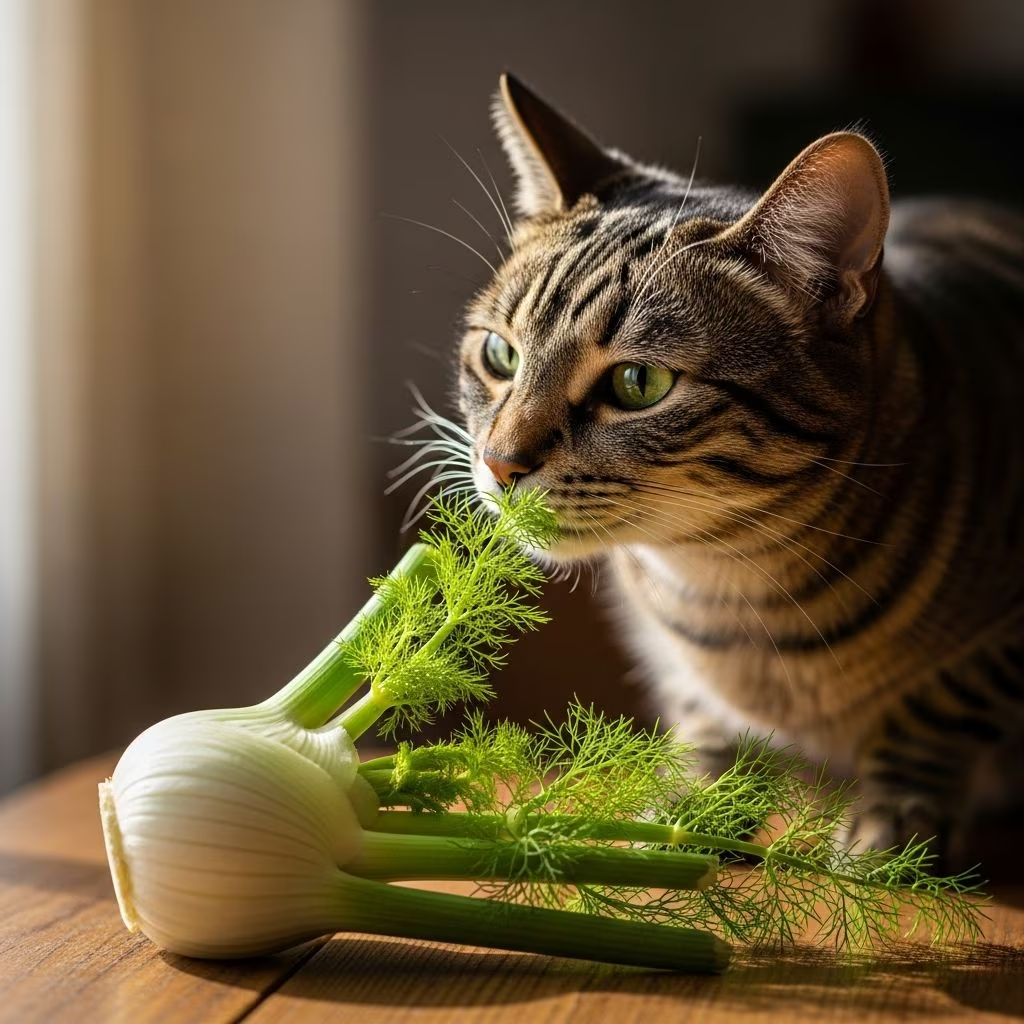
Fennel (Foeniculum vulgare) is a flavorful herb commonly used in human cuisine for its licorice-like taste and aroma. As a cat owner, you may wonder if it’s safe to share this vegetable with your feline companion. The answer is yes, cats can eat fennel in small amounts, as it is non-toxic according to the ASPCA. Both the bulb and leaves are generally safe when offered sparingly, but cats are obligate carnivores, meaning their primary diet should consist of meat-based foods. Overfeeding fennel can lead to digestive issues due to its high fiber content and essential oils.
This article delves into the safety, benefits, risks, preparation methods, and scenarios where fennel should be avoided. Drawing from veterinary sources, we’ll provide practical advice to ensure your cat’s well-being while exploring this aromatic plant.
What Is Fennel?
Fennel is a perennial herb from the Apiaceae family, related to carrots, celery, and parsley. It features a bulbous base, feathery green fronds (leaves), and small yellow flowers. The entire plant is edible for humans, with the bulb used in salads and cooking, fronds as a garnish, and seeds for spice.
Nutritionally, fennel is low in calories but rich in fiber, vitamins A and C, potassium, and antioxidants like anethole, which gives it anti-inflammatory properties. For cats, these nutrients can offer minor support, but they do not replace a complete feline diet formulated to meet AAFCO standards.
- Bulb: Crunchy, mild anise flavor; highest in fiber.
- Fronds: Soft, feathery leaves; milder taste.
- Seeds: Concentrated; not recommended for cats due to digestibility issues.
Is Fennel Safe for Cats?
Yes, fennel is safe for most cats when given in moderation. The ASPCA lists it as non-toxic to cats, dogs, and horses, with no known toxic principles. Veterinary sources confirm that small amounts of the bulb or leaves pose little risk.
However, safety depends on portion size and individual cat health. Cats lack the enzymes to fully digest plant matter, so excessive fennel can cause gastrointestinal upset. Preventive Vet notes that while cats can eat fennel leaves, stems, and seeds in tiny quantities, benefits are limited compared to dogs, and kittens face higher risks.
| Part of Fennel | Safety Level | Recommended Amount |
|---|---|---|
| Bulb | Safe in small slivers | Thin slice (pea-sized for adults) |
| Fronds/Leaves | Safe; preferred | Pinch of chopped leaves |
| Seeds | Avoid | None; too concentrated |
Benefits of Fennel for Cats
While not essential, fennel offers potential health perks in tiny doses. Its properties may support feline wellness as an occasional treat.
- Digestion Aid: Fennel acts as a carminative, reducing gas, bloating, and indigestion. The fiber promotes gut motility without being harsh. NHV Natural Pet notes its use in supplements for IBD and constipation in cats.
- Nutrient Boost: Provides vitamins A and C (antioxidants for immunity and vision), potassium (heart health), and folate. These complement a balanced diet.
- Anti-Inflammatory: Anethole and other compounds may ease minor inflammation, useful for occasional tummy troubles.
- Fresh Breath and Oral Health: Some sources suggest it combats bad breath in pets, though evidence is anecdotal for cats.
These benefits are most relevant for cats with mild digestive issues, but always prioritize vet-approved food. Studies on pets are limited; human data informs much of this (e.g., fennel’s role in gut health per general nutrition research).
Potential Risks and Side Effects
Despite its safety profile, fennel isn’t risk-free. Key concerns include:
- Digestive Upset: High fiber can cause diarrhea, vomiting, gas, or bloating if overfed. Cats’ short digestive tracts struggle with excess plant material.
- Allergies: Rare, but watch for itching, swelling, or breathing issues. Introduce gradually.
- Essential Oils: Volatile compounds like anethole may irritate the GI tract in large amounts or sensitive cats. Avoid concentrated forms.
- Photosensitivity: Very rare dermatitis from oils upon sun exposure.
Kittens, pregnant/nursing queens, and cats with pre-existing conditions (e.g., IBD, kidney issues) are at higher risk. Dial A Vet emphasizes moderation to prevent issues.
How to Safely Feed Fennel to Your Cat
Follow these steps for safe introduction:
- Wash Thoroughly: Rinse under cool water to remove pesticides or dirt.
- Prepare Small Portions: Chop fronds finely or slice bulb thinly. Start with 1/8 teaspoon for adults.
- Mix with Food: Blend into wet food to mask flavor and aid acceptance.
- Monitor: Observe for 24-48 hours. Stop if any adverse signs appear.
- Frequency: Once a week max, as a treat (<10% of diet).
Creative Serving Ideas:
- Sprinkle chopped fronds on kibble.
- Offer a fennel ‘stick’ sliver for nibbling.
- Dilute cooled, unsweetened fennel tea (1 tsp per bowl) for hydration.
Never use seasoned, cooked, or oiled fennel from human meals—salt, butter, or spices can harm cats.
How Much Fennel Can Cats Eat?
Portion control is crucial. General guidelines:
| Cat Size/Age | Max Amount per Serving | Frequency |
|---|---|---|
| Kitten (<6 months) | Avoid or tiny pinch | None recommended |
| Adult Small (5-8 lbs) | 1/8 tsp chopped | Once weekly |
| Adult Large (>10 lbs) | 1/4 tsp or small sliver | Once weekly |
| Senior/Sensitive | Consult vet | As advised |
Adjust based on tolerance. Less is always safer.
When Should You Not Feed Fennel to Cats?
Avoid fennel in these cases:
- Sensitive Stomachs: History of vomiting/diarrhea.
- Pregnant/Nursing: Unknown effects of oils on development.
- Medicated Cats: Potential interactions; vet clearance needed.
- Kittens/Puppies: Immature systems can’t handle it well.
- Post-Surgery/Illness: Stick to prescribed diets.
If your cat consumes too much, watch for symptoms and contact a vet or poison hotline. Mild cases resolve; severe may need fluids.
Frequently Asked Questions (FAQs)
Can cats eat fennel seeds?
No, avoid seeds—they’re concentrated and hard to digest, risking irritation.
Is fennel toxic to cats?
No, it’s non-toxic per ASPCA, but excess causes upset.
Can kittens eat fennel?
Not recommended; their systems are sensitive. Use kitten formula instead.
How much fennel is safe for cats?
A pinch of leaves or thin sliver weekly for adults; monitor closely.
What if my cat eats too much fennel?
Monitor for vomiting/diarrhea. Call vet if symptoms persist.
Is wild fennel safe for cats?
Potentially contaminated; use only store-bought, washed fennel.
Does fennel help cat constipation?
May aid mildly via fiber, but vet supplements are better.
(Word count: 1687, excluding metadata and references)
References
- Can Cats Eat Fennel? Benefits and Safety Tips — Dial A Vet. 2023. https://www.dialavet.com/blog/can-cats-eat-fennel
- Safe and Unsafe Vegetables For Dogs & Cats — Preventive Vet. 2024. https://www.preventivevet.com/pets/safe-vegetables-for-dogs-and-cats
- Can Cat Eat Fennel? Safety Guide — CanCatEat. 2025-07-24. https://cancateat.food/food/fennel
- Can Dogs Eat Fennel? What About Cats? — NHV Natural Pet Blog. 2024. https://nhvpethealth.com/blog/can-dogs-eat-fennel-what-about-cats/
- Toxic and Non-toxic Plants: Fennel — ASPCA. Accessed 2026. https://www.aspca.org/pet-care/aspca-poison-control/toxic-and-non-toxic-plants/fennel



