

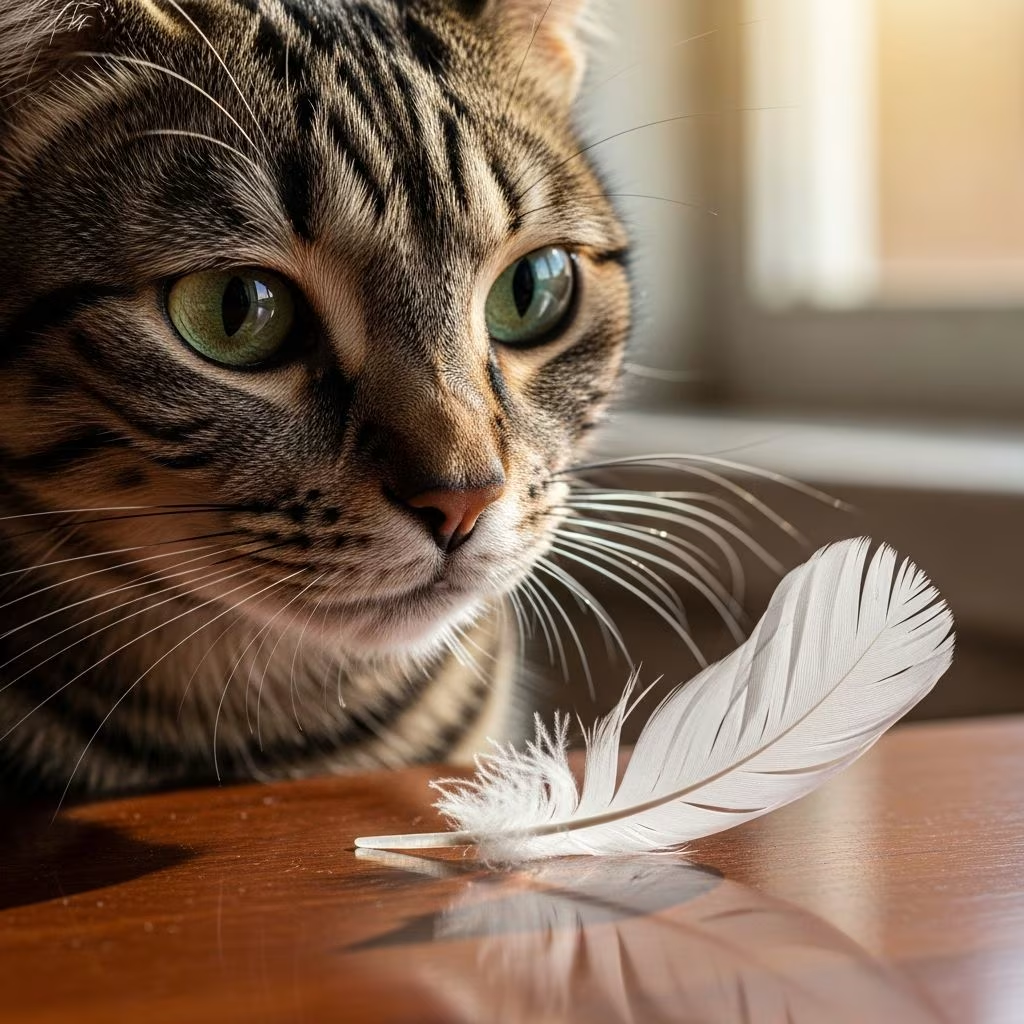
Cats are naturally drawn to feathers due to their hunting instincts, but feathers are not safe for cats to eat. While not toxic, feathers are indigestible and can cause serious health issues like gastrointestinal blockages, injuries, and infections.
This comprehensive guide covers why cats are attracted to feathers, the specific risks involved, symptoms to monitor, prevention strategies, what to do if ingestion occurs, and answers to common questions. Understanding these factors helps cat owners protect their pets from potential harm.
Why Do Cats Eat Feathers?
Cats possess strong predatory instincts honed over thousands of years as hunters. Feathers mimic the appearance and movement of bird prey, triggering a cat’s chase response. This behavior is especially common in indoor cats lacking outlets for their natural hunting drive.
Common reasons cats attempt to eat feathers include:
- Hunting instinct activation: Feathers flutter and move unpredictably, simulating injured or escaping birds that stimulate a cat’s prey drive.
- Play and curiosity: Kittens and young cats explore feathers through chewing and batting, sometimes leading to accidental swallowing.
- Boredom or stress relief: Cats may chew feathers to alleviate boredom or anxiety, similar to how some cats eat fabric or plants.
- Nutritional cues: Rarely, pica (eating non-food items) from deficiencies or gastrointestinal issues may prompt feather consumption.
- Toy interaction: Feather wand toys or loose feathers from destroyed toys become tempting targets during unsupervised play.
Hunter cats, especially outdoor ones, frequently encounter feathers while pursuing birds. Feral and wild cats have adapted somewhat to processing small amounts, but domestic cats lack this resilience and face higher risks from ingestion.
Are Feathers Safe for Cats to Eat?
No, feathers are not safe for cats to eat. Composed primarily of beta-keratin—a tough, indigestible protein also found in bird beaks and claws—feathers resist breakdown in a cat’s stomach acid and digestive enzymes.
Key risks associated with feather ingestion include:
- Gastrointestinal blockages: Feathers can clump together in the stomach or intestines, obstructing passage of food and waste, potentially requiring surgical intervention.
- Internal injuries: Sharp quills from wing or tail feathers can puncture or lacerate the digestive tract lining, causing bleeding, pain, or peritonitis (abdominal infection).
- Bacterial/parasitic contamination: Bird feathers often harbor pathogens like Salmonella, E. coli, or avian parasites transmissible to cats.
- Artificial feather dangers: Dyed or synthetic feathers in toys may contain toxic chemicals, and their stiffness increases injury risk compared to natural feathers.
- Chronic irritation: Repeated exposure leads to ongoing inflammation, vomiting, or malnutrition from poor nutrient absorption.
Small downy feathers pose lower risks and are often vomited up naturally, but larger structural feathers represent significant threats. Even “safe” feather toys become hazardous if feathers detach and are swallowed.
Symptoms of Feather Ingestion in Cats
Monitor your cat closely for 24-72 hours after suspected feather ingestion. Early detection improves outcomes significantly.
Warning signs include:
- Vomiting: Repeated episodes, especially containing feathers, blood, or undigested food.
- Lethargy and weakness: Reduced activity, hiding, or reluctance to jump.
- Appetite loss: Refusal of food or water, leading to dehydration.
- Abdominal discomfort: Hunching, tenderness when touched, bloating, or vocalizing in pain.
- Behavioral changes: Restlessness, excessive grooming, or straining without producing feces.
- Diarrhea or constipation: Loose stools with feathers or complete lack of bowel movements.
If multiple symptoms appear or persist beyond 48 hours, seek immediate veterinary attention. Blockages can escalate rapidly, causing life-threatening complications like intestinal rupture.
How to Prevent Your Cat from Eating Feathers
Proactive environmental management and enrichment minimize feather-related risks while satisfying your cat’s instincts.
Effective prevention strategies:
- Supervise playtime: Never leave cats alone with feather toys; inspect and replace damaged ones immediately.
- Choose safer alternatives: Opt for fabric, rubber, or laser toys instead of real feathers. Avoid brightly dyed artificial feathers.
- Secure bird areas: Cover cages, use bird-proof netting, or relocate feeders away from cat access zones.
- Indoor-only policy: Prevent hunting by keeping cats indoors or using bell collars/enclosures for outdoor time.
- Environmental enrichment: Provide puzzle feeders, climbing trees, and interactive sessions to combat boredom.
- Regular cleaning: Vacuum loose feathers promptly and discourage access to areas with bird activity.
For outdoor hunters, trim claws and use deterrents like motion-activated sprinklers to reduce bird kills.
What to Do If Your Cat Eats a Feather
Stay calm but act promptly. Steps for management:
- Assess quantity: Note if it was a small down feather (low risk) or larger quill (high risk).
- Monitor symptoms:
- Hydrate and feed normally: Encourage water intake; avoid laxatives unless vet-approved.
- Contact vet: Call immediately if symptoms appear or for large ingestions. Provide details on feather type and amount.
Watch for vomiting, behavior changes, or distress over 24-48 hours.
Veterinary interventions may include:
- Supportive care: Fluids, anti-nausea meds, probiotics.
- Endoscopy: Retrieval of accessible feathers.
- Surgery: For obstructions or perforations.
Most small ingestions resolve with vomiting, but professional evaluation ensures safety.
Feather Toys for Cats: Safe or Risky?
Feather toys delight cats but require caution. Supervised use minimizes dangers, but detached feathers invite trouble. Natural feathers carry biological risks; synthetics may have dyes or rigidity issues.
| Feather Type | Risk Level | Recommendations |
|---|---|---|
| Real bird feathers | High (bacteria, sharpness) | Avoid or strict supervision |
| Synthetic/dyed | Medium-High (chemicals, stiffness) | Prefer undyed alternatives |
| Small downy | Low | Monitor closely |
| Non-feather toys | Very Low | Best choice |
Rotate toys and inspect regularly for wear.
Frequently Asked Questions (FAQs)
Can cats digest feathers?
No, cats cannot digest feathers due to their keratin composition. They often vomit them or risk blockages if they pass further.
Are feather toys safe for cats?
Feather toys are safe under supervision, but loose or swallowed feathers pose risks. Choose durable designs and alternatives.
What if my cat ate feathers from a bird?
Monitor for symptoms and contact a vet. Bird feathers carry extra infection risks from pathogens.
How long after eating feathers should I worry?
Worry if symptoms appear within 24-48 hours. Seek vet help for any distress.
Can small feathers harm cats?
Small down feathers usually pass or are vomited harmlessly, but larger ones are dangerous.
References
- Can Cats Eat Feathers? Safety & Risks Explained — Zoorithm. 2023-10-15. https://www.zoorithm.com/cats/can-cat-eat-feather
- Can Cats Eat Feathers? Vet-Approved Facts & Potential Risks — Hepper. 2024-05-20. https://articles.hepper.com/can-cats-eat-feathers/
- My cat just devoured a feather toy—are feathers safe for them to eat — Dial A Vet. 2023-08-12. https://www.dialavet.com/vet-answers/post/cat-ate-feather-toy-52084
- 6 Dangerous Kitten Toys You Should Avoid — PetMD. 2022-11-03. https://www.petmd.com/cat/slideshows/6-dangerous-kitten-toys-you-should-avoid
- Can Cats Eat Feathers? — Catster (referenced structure). 2024-01-10. https://www.catster.com/nutrition/can-cats-eat-feathers/



