

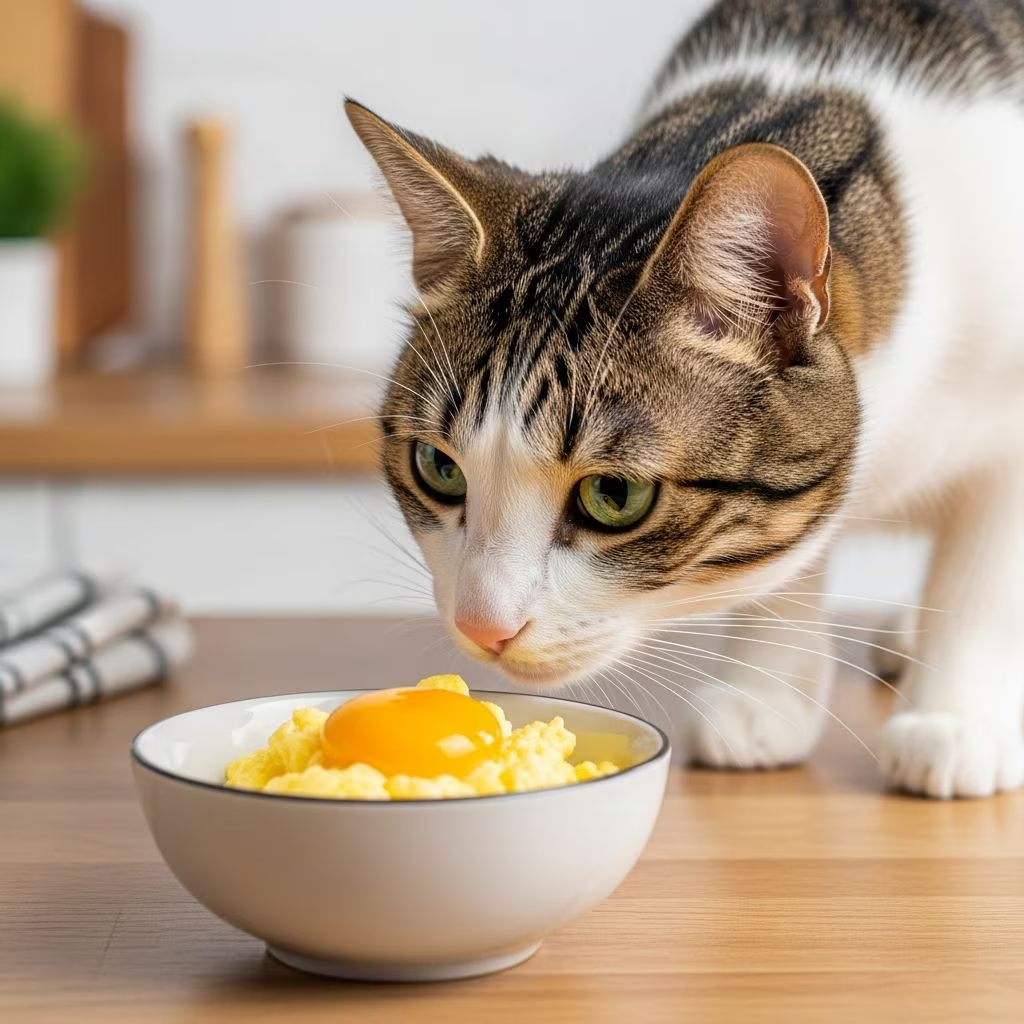
Can Cats Eat Eggs? Understanding Your Feline’s Nutritional Needs
Eggs are a staple human food packed with nutrients, and many cat owners wonder if their feline companions can enjoy this protein-rich treat. The good news is that yes, cats can eat eggs—as long as they’re prepared correctly and served in moderation. Understanding the proper way to introduce eggs to your cat’s diet ensures you’re providing a nutritious snack that complements their balanced meals rather than disrupting their dietary needs.
Whether you’re looking to add variety to your cat’s diet or searching for a healthy treat option, eggs can be an excellent choice. However, there are important guidelines and precautions to follow to ensure your cat’s safety and health.
Why Eggs Are Nutritious for Cats
Eggs offer numerous nutritional benefits that align well with feline dietary requirements. Here’s what makes eggs valuable for your cat:
High in Protein
A single medium-size egg contains approximately 6 grams of protein, making it an ideal addition to your cat’s diet. Cats are obligate carnivores with high protein requirements, and eggs provide a complete protein source that supports muscle development and maintenance. The protein in eggs contains all the essential amino acids your cat needs for optimal health.
Rich in Vitamins and Minerals
Eggs are nutritional powerhouses containing multiple vitamins and minerals beneficial to feline health. These include vitamins A, B6, B12, D, and E, along with iron, zinc, selenium, and calcium. Vitamin A supports vision and immune function, while B vitamins help with energy metabolism and nervous system health. The minerals present in eggs contribute to bone strength, blood cell production, and overall immune support.
Excellent Source of Fatty Acids and Amino Acids
Eggs contain omega-3 and omega-6 fatty acids essential for various bodily functions. These fatty acids support heart health, brain development, and nervous system function. Additionally, eggs are rich in amino acids, particularly taurine, which plays a critical role in maintaining your cat’s vision, digestion, heart function, and immune system. For cats, taurine is not just beneficial—it’s essential and must come from their diet.
How to Safely Prepare Eggs for Your Cat
Proper preparation is crucial when feeding eggs to your feline friend. The method of cooking and the ingredients you use can significantly impact the safety and nutritional value of this treat.
Always Cook Eggs Thoroughly
Never feed your cat raw eggs. Raw eggs can carry dangerous bacteria such as Salmonella and E. coli, which can cause serious gastrointestinal problems. Raw egg whites also contain avidin, a biotin-binding protein that prevents the absorption of biotin (vitamin B7), potentially leading to biotin deficiency over time. Cooking eggs completely eliminates these risks.
Keep Eggs Plain and Simple
When preparing eggs for your cat, serve them plain without any added ingredients. Avoid using oil, butter, salt, seasonings, garlic, onions, or any dairy products. These additions can cause digestive upset or, in some cases, be toxic to cats. For example, garlic and onions are particularly harmful to feline health. If you’ve prepared scrambled eggs with milk or cheese for yourself, don’t share them with your cat—prepare a separate portion without these additives.
Serving Size Recommendations
Moderation is key when feeding eggs to your cat. A teaspoon or two of cooked egg is plenty for most adult cats. Eggs should make up no more than 10% of your cat’s total daily caloric intake to ensure they don’t replace essential nutrients from their regular cat food. Feeding eggs a couple of times per week as an occasional treat is appropriate for most healthy adult cats.
Different Ways to Prepare Eggs for Cats
There are several methods to prepare eggs that are safe for feline consumption:
Boiled Eggs
Boiling is one of the safest preparation methods. Simply boil an egg until fully cooked, peel away the shell, and chop the egg into smaller, bite-sized pieces before serving. Boiled eggs contain no added fats or oils, making them an excellent choice for cats watching their weight. Remove any shells completely before offering the egg to your cat.
Scrambled Eggs
Plain scrambled eggs without butter, oil, or dairy products are safe for cats. Cook the eggs in a non-stick pan without any added fats, or use minimal heat without oil. Ensure the eggs are fully cooked and cooled slightly before serving. Cut into small pieces if your cat prefers easier-to-manage portions.
Preparation Methods to Avoid
Fried eggs prepared in oil may cause digestive issues such as vomiting and diarrhea due to the excess fat content. Additionally, while egg yolks are highly nutritious, they’re also high in calories. If you choose to offer egg yolks, do so sparingly and account for the added calories in your cat’s daily intake. Eggs prepared with seasonings, dairy, or other ingredients should never be shared with your feline friend.
Special Egg Components: What About Eggshells and Membranes?
Beyond the egg itself, other components offer nutritional value. Eggshells are wonderful sources of calcium, an important mineral for bone and ligament health. To supplement your cat’s diet with eggshells, grind them into a fine powder and sprinkle a small amount into their regular food. Ensure the shells are clean and properly ground to prevent choking hazards.
The egg membrane—the clear lining found inside the eggshell—is also highly nutritious and worth including. You can peel this membrane off and add small bits to your cat’s meals for additional nutritional benefits.
Important Safety Considerations
While eggs can be a healthy treat, several factors warrant careful consideration:
Risk of Weight Gain
Eggs contain significant fat content, particularly in the yolks. Excessive consumption can lead to weight issues and obesity in cats. Since obesity increases the risk of various health problems, moderation is essential. If your cat is overweight or prone to weight gain, consult your veterinarian before introducing eggs to their diet.
Potential for Digestive Upset
High-fat foods can cause gastrointestinal upset and may trigger pancreatitis in susceptible cats. If your cat has a sensitive stomach or history of digestive issues, introduce eggs gradually and monitor for any adverse reactions.
Allergies and Food Intolerances
While egg allergies are uncommon in cats, some felines may experience allergic reactions or food intolerances. When introducing any new food, watch for signs of allergic reactions including sneezing, excessive scratching, skin or ear infections, vomiting, or diarrhea. If you notice any of these symptoms, discontinue feeding eggs and consult your veterinarian.
Biotin Deficiency Concerns
This is another compelling reason to avoid raw eggs. The avidin protein in raw egg whites binds biotin, preventing its absorption and potentially causing vitamin B7 deficiency. Cooking denatures avidin, eliminating this concern entirely.
Kittens and Eggs: Special Considerations
Kittens can eat eggs, but their developing immune systems make them more susceptible to bacterial infections from raw eggs. Always cook eggs before offering them to kittens. Additionally, egg yolks are higher in calories, so only offer them in moderation to young cats. It’s advisable not to give eggshells to kittens under 6 months old, as their developing digestive systems cannot handle excess calcium as effectively as adult cats.
Frequently Asked Questions About Cats and Eggs
Q: Can cats eat raw eggs?
A: No, cats should not eat raw eggs. Raw eggs carry risks of Salmonella infection, E. coli infection, and avian flu. Additionally, raw egg whites contain avidin, which prevents biotin absorption and can lead to vitamin B7 deficiency. Always cook eggs thoroughly before offering them to your cat.
Q: Can cats eat scrambled eggs?
A: Yes, cats can have plain scrambled eggs. However, avoid using seasonings, butter, oil, or dairy products like milk and cheese, as these can cause digestive upset or be toxic. Prepare plain scrambled eggs specifically for your cat if you want to share this preparation method.
Q: Can cats eat boiled eggs?
A: Yes, boiled eggs are safe for cats. It’s a good idea to chop them into smaller pieces before serving to make them easier for your cat to consume and reduce choking risks.
Q: Can cats eat cooked eggs?
A: Yes, cats can eat small amounts of cooked egg a couple of times a week as a treat. Ensure the eggs are fully cooked, plain, and served in appropriate portion sizes—typically a teaspoon or two for most adult cats.
Q: Are there any cats that shouldn’t eat eggs?
A: Cats with certain health conditions should avoid eggs or consume them only under veterinary guidance. These include cats prone to obesity, those with pancreatitis history, cats with sensitive digestive systems, and cats with egg allergies or intolerances. Always consult your veterinarian before introducing new foods to your cat’s diet, especially if your cat has existing health concerns.
Q: How often can I give my cat eggs?
A: Eggs should be offered as an occasional treat, no more than a couple of times per week. They should comprise no more than 10% of your cat’s daily caloric intake to ensure they don’t displace essential nutrients from their regular, complete, and balanced cat food.
Consulting Your Veterinarian
Before making any significant changes to your cat’s diet, it’s important to consult with your veterinarian. Your vet can assess your individual cat’s health status, dietary needs, and any potential contraindications. This is especially crucial if your cat has existing health conditions, is overweight, or has a history of digestive issues. Your veterinarian can provide personalized guidance on whether eggs are appropriate for your specific feline companion and recommend appropriate portion sizes.
Conclusion: Eggs as Part of a Balanced Diet
Eggs can be a nutritious and enjoyable occasional treat for your cat when prepared properly. Their high protein content, essential amino acids, vitamins, and minerals make them a valuable addition to your feline’s diet—in moderation. The key to safe egg feeding is ensuring eggs are fully cooked, served plain without any added ingredients or seasonings, and offered in appropriate portion sizes that don’t exceed 10% of your cat’s daily calories. By following these guidelines and consulting with your veterinarian, you can confidently offer eggs as part of your cat’s treat rotation, providing variety while maintaining their overall nutritional balance and health.
References
- Can Cats Eat Eggs? — Chewy. 2025. https://www.chewy.com/education/cat/food-and-nutrition/can-cats-eat-eggs
- Can Cats Eat Eggs? A Guide to Safety — Purina US Pet Expert Team. Updated 2025-07-28. https://www.purina.com/articles/cat/feeding/can-cats-eat/eggs
- Can Cats Eat Eggs? — Pumpkin Pet Insurance. 2025. https://www.pumpkin.care/post/can-cats-eat-eggs
- Can Cats Eat Eggs? Are They Safe & Good for Cats? — Purina Arabia. 2025. https://www.purina-arabia.com/en-gb/care-and-advice/cat/feeding-and-nutrition/can-eat-eggs
- Can Cats Eat Eggs? Complete Nutrition Facts and Guidelines — Noble Vet Clinic. 2025. https://noblevetclinic.com/blog/can-cats-eat-eggs
- Can Cats Eat Eggs? — PetMD. 2025. https://www.petmd.com/cat/nutrition/can-cats-eat-eggs
- Can Cats Eat Eggs? — Hill’s Pet Nutrition. 2025. https://www.hillspet.co.nz/cat-care/nutrition-feeding/can-cats-eat-eggs



