

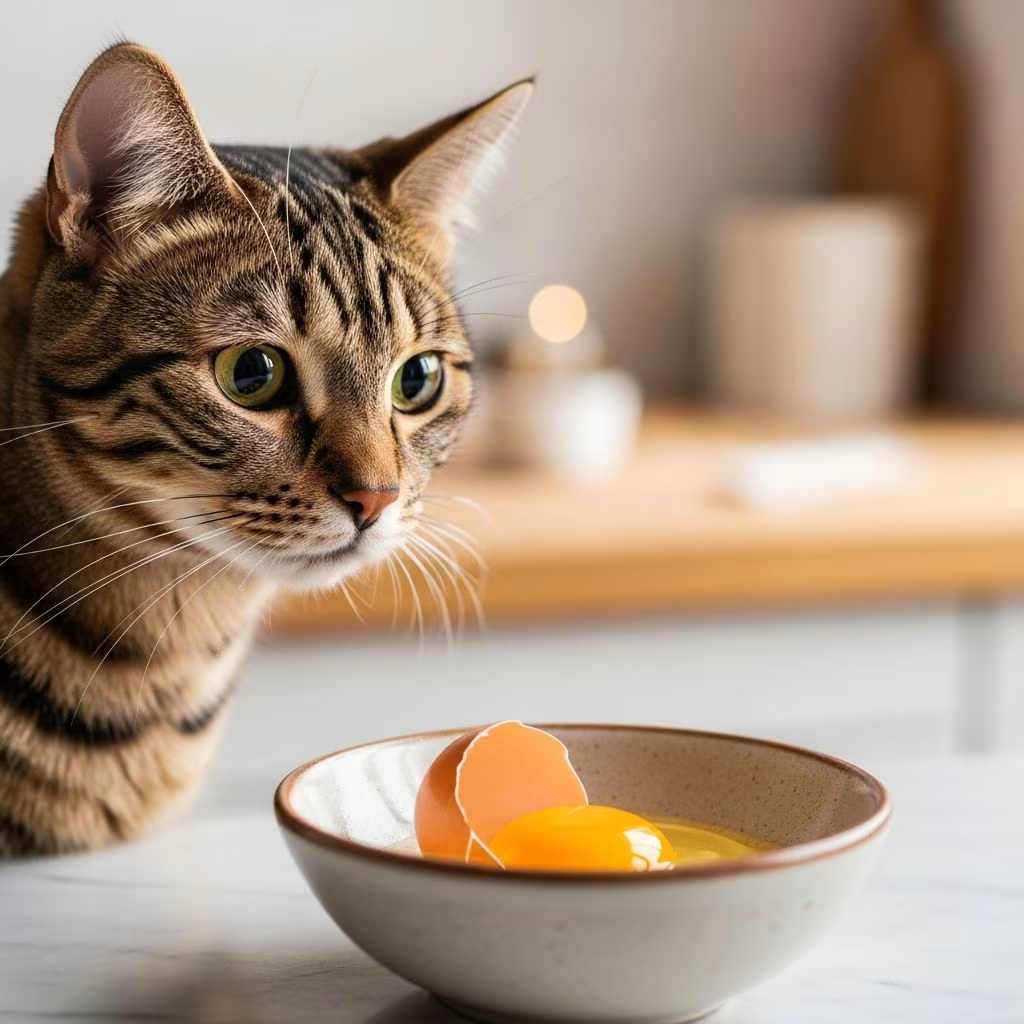
Cats can safely consume fully cooked eggs in small amounts as an occasional treat, gaining benefits from their high-quality protein and vital nutrients without the risks associated with raw preparation.
Nutritional Powerhouse: Why Eggs Appeal to Felines
Eggs stand out as a nutrient-dense food option for cats, primarily because they deliver complete proteins packed with all essential amino acids that felines require for optimal health. A single large egg provides around 6 grams of protein, supporting muscle maintenance, energy levels, and overall vitality in cats, who thrive on animal-based diets.
Beyond protein, eggs supply key vitamins such as A, B12, and riboflavin, which aid in maintaining a robust nervous system, strong skeletal structure, and efficient digestive processes. Minerals within eggs contribute to blood cell formation, enhance skin and coat condition, and protect cells from oxidative damage, making them a well-rounded supplement to a cat’s primary diet. These elements explain why premium commercial cat foods frequently incorporate egg ingredients to boost nutritional profiles.
Preparation Matters: Cooked vs. Raw Eggs for Cats
The distinction between cooked and raw eggs is critical for cat safety. Fully cooked eggs eliminate bacterial threats and neutralize harmful compounds, rendering them suitable for feline consumption. Methods like boiling, scrambling, or poaching work well, provided no additives are used.
- Boiled eggs: Retain full nutritional value without excess fats or flavors, ideal for plain serving.
- Scrambled eggs: Safe when prepared plainly, avoiding dairy, oils, salt, or spices that could upset digestion or prove toxic.
- Poached or fried: Acceptable if minimally processed and free of seasonings.
In contrast, raw eggs present significant dangers. The egg white contains avidin, a protein that binds biotin—a B vitamin essential for healthy skin, fur, and metabolism—potentially leading to deficiencies over time. Additionally, raw eggs risk harboring pathogens like Salmonella, E. coli, and even avian influenza (H5N1), which can cause severe gastrointestinal distress, vomiting, diarrhea, lethargy, or worse in cats. Even cats on raw diets should avoid uncooked eggs due to these persistent hazards.
Portion Control: Feeding Eggs Moderately
While nutritious, eggs must not dominate a cat’s diet. Limit to 1-2 teaspoons or a small piece once or twice weekly, ensuring they comprise no more than 10% of daily caloric intake to prevent obesity or nutritional imbalances. Overfeeding introduces excess fats, particularly from yolks, raising risks of pancreatitis, gastrointestinal upset, and weight gain.
Individual factors influence suitability: kittens, seniors, or cats with conditions like pancreatitis, obesity, or allergies may need veterinary clearance before introducing eggs. Always observe for adverse reactions such as vomiting, diarrhea, itching, or lethargy, which could signal intolerance—though egg allergies remain rare in felines.
Yolks, Whites, and Shells: Breaking Down the Parts
| Part | Benefits | Risks/Notes | Safe Preparation |
|---|---|---|---|
| Egg White | High protein, low fat; supports lean muscle | Raw: avidin blocks biotin; Cooked: safe | Boiled or scrambled, plain |
| Egg Yolk | Vitamins A, D, E; healthy fats in moderation | High calories/fat; limit to avoid obesity | Cooked only, small amounts |
| Eggshell | Calcium source for bones/ligaments | Must be finely ground to avoid choking | Baked, powdered, sprinkled on food |
Egg whites offer a lean protein boost, ideal for weight-conscious cats, with about one tablespoon sufficing as a supplement. Yolks pack more calories and fats, so use sparingly to maintain dietary balance. Ground eggshells provide bioavailable calcium, enhancing bone health when added judiciously to meals.
Health Risks and When to Avoid Eggs
Bacterial contamination tops the list of concerns with raw eggs, but even cooked versions warrant caution in high-fat forms. Yolks elevate fat content, potentially triggering pancreatitis or digestive woes in sensitive cats. Cats with hepatic lipidosis, diabetes, or hyperlipidemia should steer clear, as should those prone to food sensitivities.
Household safety extends beyond the cat: Salmonella from raw eggs can transmit to humans, underscoring the need for thorough cooking. Introduce eggs gradually, monitoring stool quality, energy, and coat condition to gauge tolerance.
Integrating Eggs into a Balanced Feline Diet
Eggs complement, not replace, complete cat foods formulated to meet AAFCO standards. They shine as toppers for kibble or wet food, enhancing palatability and nutrition without disrupting balance. For homemade diets, eggshells aid calcium-phosphorus ratios, but professional formulation ensures taurine and other essentials.
Veterinary nutritionists emphasize moderation: eggs support coat sheen, muscle tone, and immunity but cannot substitute core diet components. Pair with hydration encouragement and regular check-ups for holistic wellness.
Common Myths About Cats and Eggs
- Myth: All eggs are inherently dangerous. False—cooked plain eggs are beneficial.
- Myth: Cats need raw eggs for authenticity. Incorrect; cooking mitigates risks while preserving value.
- Myth: Eggshells are indigestible. Ground properly, they dissolve effectively.
Frequently Asked Questions
Are scrambled eggs okay for cats?
Yes, plain scrambled eggs without milk, butter, salt, or seasonings are safe and digestible for most cats.
Can kittens eat eggs?
Kittens can have small amounts of cooked egg whites for protein, but consult a vet due to developing digestive systems.
Do eggs cause allergies in cats?
Rarely, but watch for itching, vomiting, or diarrhea; discontinue if symptoms appear.
How do I prepare eggshells for my cat?
Wash, bake at 200°F for 10 minutes, grind to powder, and mix 1/4 tsp per pound of food daily.
Is fried egg safe?
Only if no oil or seasoning; boiled or poached preferred to minimize fat.
Expert Tips for Safe Egg Treats
Source fresh, high-quality eggs from reputable suppliers to minimize contamination risks. Store cooked portions in the fridge for up to two days, reheating gently without additives. For picky eaters, chop finely and mix into wet food. Track body condition score monthly to ensure treats don’t lead to weight creep.
Ultimately, eggs enrich a cat’s life when handled with care, offering a tasty, nutrient boost aligned with their carnivorous needs. Prioritize veterinary guidance tailored to your cat’s age, breed, and health status for best results.
References
- Can Cats Eat Eggs Safely? Everything You Need to Know — Holistic Vet Blend. 2023. https://holisticvetblend.com/blogs/news/can-cats-eat-eggs-safely-everything-you-need-to-know
- Can Cats Eat Eggs? — Pumpkin Pet Insurance. 2024-05-15. https://www.pumpkin.care/post/can-cats-eat-eggs
- Can Cats Eat Eggs? — Chewy Education. 2023-11-01. https://www.chewy.com/education/cat/food-and-nutrition/can-cats-eat-eggs
- Can Cats Eat Eggs? — Go! Solutions. 2024. https://go-solutions.com/en-us/blog/can-cats-eat-eggs
- Can Cats Eat Eggs? — PetMD. 2024-02-20. https://www.petmd.com/cat/nutrition/can-cats-eat-eggs
- Can Cats Eat Eggs? Here’s Everything You Need to Know — Pawlicy Advisor. 2023. https://www.pawlicy.com/blog/can-cats-eat-eggs/
- Can Cats Eat Eggs? — Hill’s Pet Nutrition. 2023-08-10. https://www.hillspet.com/cat-care/nutrition-feeding/can-cats-eat-eggs



