

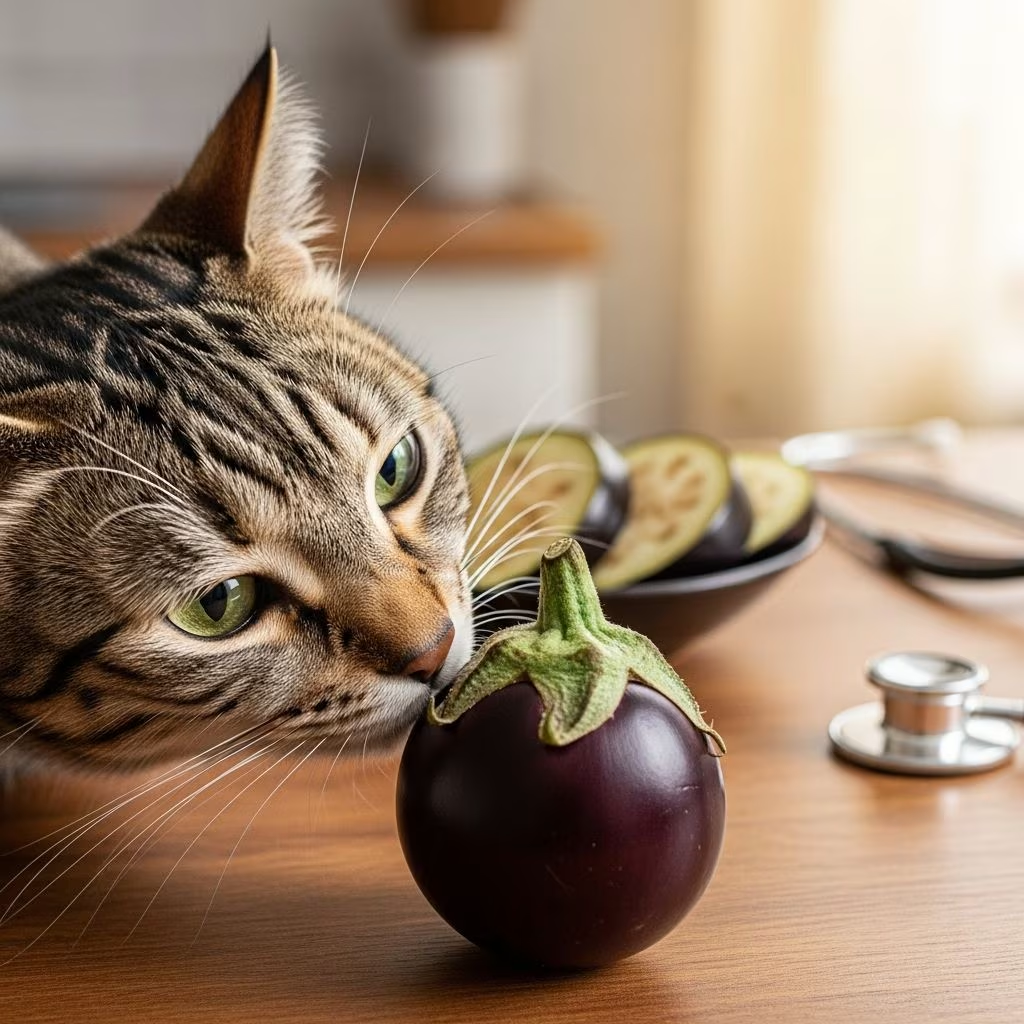
Can Cats Eat Eggplant? Vet-Reviewed Nutrition Facts
We all love sharing food with our cats, but often wonder what foods are fine or harmful. Eggplant might be one of those foods you are unsure about. Even though you might be tempted to share some eggplant with your cat, you shouldn’t. Eggplants contain toxic substances, like solanine, which are toxic to cats in large quantities. Read on to learn why the fruit is dangerous and its effects on cats. We will also tell you what to do if your cat consumes the fruit.
Why Cats Should Not Eat Eggplant
Also known as aubergine, this purple vegetable may be a good source of nutrients for humans but should not be consumed by cats. Like tomatoes and potatoes, eggplants belong to the nightshade plant family that has solanine as their common trait. This alkaloid is vital because it aids in the growth and development of eggplants. However, interaction with the substance can have adverse effects on cats.
Eggplants contain several compounds that pose significant health risks to feline companions. The primary concern is solanine, a naturally occurring alkaloid found throughout the plant, including the seeds, flesh, and leaves. Additionally, eggplant contains oxalic acid, which isn’t poisonous on its own but can be harmful as it bonds with the calcium in the blood and forms calcium oxalate crystals. These crystals can cause urinary tract issues when deposited in the kidneys and bladder, a particular concern since cats are already prone to urinary tract problems.
Cats are obligate carnivores, meaning their digestive systems are designed to process meat rather than vegetables and fruits. Eggplant is also high in fiber and carbohydrates, which cats cannot digest efficiently. Giving a cat too many carbohydrates can result in obesity or other health problems, and diabetic cats should never eat eggplant because they can cause blood sugar spikes.
The Toxic Compounds in Eggplant
Understanding the specific toxic compounds in eggplant helps explain why veterinarians recommend keeping this vegetable away from your feline friend. The main toxic element is solanine, an alkaloid compound that serves a protective function for the plant in nature but proves dangerous to cats when ingested.
Solanine Toxicity
Solanine is a toxic compound found in eggplants, particularly in the leaves and stems, though it is present throughout the entire plant. Cats cannot break down solanine as their digestive systems lack the necessary enzymes. When consumed, the chemical compound can build up in their system and lead to health issues. Ingesting solanine can lead to poisoning in cats, with the severity depending on the amount consumed and the individual cat’s characteristics.
Oxalic Acid and Urinary Health
Beyond solanine, eggplant also contains oxalic acid, which forms calcium oxalate crystals in the body. While oxalic acid itself isn’t poisonous, these crystals can accumulate in the urinary tract, potentially leading to bladder stones and other urinary complications. Since cats are already prone to urinary tract issues, this additional risk is particularly concerning for cat owners.
Risk Factors and Susceptibility
The severity of signs resulting from eggplant consumption will depend on several important factors. Understanding these risk factors helps explain why some cats might experience more severe reactions than others.
Age and Size Matter
Smaller cat breeds and kittens are more affected by solanine poisoning when compared to larger cat breeds or adult cats. This difference can be attributed to the fact that smaller cats have a larger surface area to volume ratio, which gives the toxins a shorter duration to get absorbed into the cat’s bloodstream. Additionally, solanine poisoning affects kittens and smaller cats more than adult cats or larger breeds because they need to ingest relatively less for it to cause an issue.
Amount Consumed
The severity of signs will depend on the amount of eggplant consumed, as well as your cat’s breed, age, and general well-being. The higher the amount consumed, the more adverse the effects, especially if your cat eats eggplant for the first time. However, even a small bite of eggplant can cause mild symptoms like vomiting or diarrhea in cats.
Individual Cat Health
Not all cats will be affected by the solanine in eggplant in the same way, which means if they ingest a little bit, they may be perfectly fine. However, your cat’s overall health status, breed predisposition, and age significantly influence how vulnerable they are to eggplant toxicity.
Symptoms of Eggplant Poisoning in Cats
Recognizing the signs of eggplant poisoning is crucial for cat owners. Symptoms can range from mild gastrointestinal upset to severe neurological effects. The earliest signs typically appear first, followed by more serious symptoms if large amounts were consumed.
Early Warning Signs
If your cat has ingested eggplant, watch for these initial symptoms:
- Vomiting
- Diarrhea
- Nausea
- Loss of appetite
- Abdominal pain
- Gastrointestinal upset
Moderate to Severe Symptoms
With larger quantities or prolonged exposure, cats may experience more severe symptoms:
- Fatigue or lethargy
- High or low heart rate
- Constipation
- Fever
- Throat irritation
- Confusion and disorientation
- Tremors or muscle twitching
- Drooling
- Seizures
- Respiratory distress or respiratory problems
- Allergic reactions, causing symptoms like itching, swelling, or respiratory distress
The earliest signs that indicate your cat has ingested eggplant are vomiting and diarrhea, but don’t feel like you need to wait for signs to appear before contacting your vet. The longer you wait, the more likely severe reactions, such as trembling, drooling, and respiratory problems, will occur.
Raw vs. Cooked Eggplant: Is Cooking Safe?
Many cat owners wonder if cooking eggplant reduces its toxicity to a safe level. While cooking does affect solanine levels, it does not make eggplant safe for cats.
Like unripe tomatoes, raw eggplant contains solanine, a compound that is toxic to cats. Cats should never eat raw eggplant. However, cooking an eggplant does reduce the levels of solanine. Despite this reduction, eggplant is not safe for cats, even when cooked. The risk of solanine toxicity outweighs any potential benefits.
Additionally, cats should never eat fried eggplant, or any other type of food fried in oil or with any seasonings. The cooking method matters significantly. Fried eggplant introduces additional health risks through excess oil and potential seasonings that may include garlic, onions, or salt—all of which are toxic or unhealthy for cats.
What to Do If Your Cat Eats Eggplant
If you suspect or witness your cat eating eggplant, taking prompt action is essential. The faster you seek veterinary care, the better the outcome for your cat.
Immediate Steps
If your cat ate a lot of eggplant, contact your vet immediately. Large amounts of eggplant can lead to severe symptoms, and prompt treatment is crucial. If you suspect your cat has ingested a concerning amount of eggplant, you should monitor them closely for signs of distress.
If you witness your cat eating eggplant or suspect they have, contact your vet. Don’t wait for symptoms to develop before reaching out to veterinary professionals. Early intervention can prevent complications and ensure your cat receives appropriate treatment if needed.
Information to Provide Your Vet
When you contact your veterinarian, be prepared to provide the following information:
- The approximate amount of eggplant consumed
- Whether it was raw or cooked
- How long ago the consumption occurred
- Your cat’s current symptoms or behavior changes
- Your cat’s age, breed, and weight
- Any existing health conditions or medications
Prevention: Keeping Eggplant Away From Your Cat
Eggplant is considered one of those foods that a cat should never consume. The best approach is prevention through careful food management.
How can you prevent your cat from eating unsafe foods? Keep harmful foods out of reach, and never leave plates unattended. Providing a balanced diet and safe treats can also reduce the temptation for your cat to explore human foods. Store eggplant and other nightshade vegetables securely, away from curious cats. Be mindful when preparing meals, and dispose of eggplant scraps properly.
Educate family members and guests about foods that are toxic to cats. Ensure that children understand not to share their food with the family cat, and remind visitors that feeding the cat human food—no matter how innocent-seeming—can pose serious health risks.
Safe Vegetables for Cats
While eggplant is off-limits, some vegetables can be offered to cats in moderation as treats. Focus on providing your cat with species-appropriate nutrition that includes high-quality protein sources. If you want to offer vegetables, choose cat-safe options like cooked pumpkin, steamed carrots, or cooked green beans in very small amounts. Always consult with your veterinarian before introducing new foods to your cat’s diet.
Frequently Asked Questions
Q: Can a small bite of eggplant harm my cat?
A: Yes, even a small bite of eggplant can cause mild symptoms like vomiting or diarrhea in cats. It’s best to avoid giving them any amount.
Q: Are eggplant leaves more toxic than the fruit?
A: Yes, the leaves and stems of eggplant contain higher concentrations of solanine and are more toxic than the fruit itself. However, all parts of the eggplant plant contain solanine to some degree.
Q: What should I do if my cat ate a lot of eggplant?
A: Contact your vet immediately. Large amounts of eggplant can lead to severe symptoms, and prompt treatment is crucial.
Q: Can eggplant ever be safe for cats?
A: No, eggplant is not safe for cats, even when cooked. The risk of solanine toxicity outweighs any potential benefits.
Q: How can I prevent my cat from eating unsafe foods?
A: Keep harmful foods out of reach, and never leave plates unattended. Providing a balanced diet and safe treats can also reduce the temptation for your cat to explore human foods.
Q: Is there any safe amount of cooked eggplant for cats?
A: While cooking reduces solanine levels, cooked eggplant is still not recommended for cats. The health risks associated with solanine and oxalic acid make it safer to avoid entirely.
Q: How do I know if my cat has eaten eggplant?
A: Monitor your cat for early signs like vomiting and diarrhea. If you suspect eggplant consumption, contact your vet immediately rather than waiting for symptoms to develop.
Conclusion
Eggplant is considered one of those foods that a cat should never consume. Solanine and potential cyanide exposure are the two major reasons why eggplant presents such a huge health risk to cats. When consumed, solanine can trigger several neurological and gastrointestinal signs in your cat.
As a responsible cat owner, it’s essential to understand which foods pose dangers to your feline companion. By keeping eggplant and other nightshade vegetables away from your cat, providing appropriate nutrition, and educating yourself about feline dietary needs, you can help ensure your cat lives a long, healthy, and happy life. So, if you suspect that your cat has eaten eggplant, you should immediately get in touch with your local vet. Early signs of solanine poisoning may include diarrhea and vomiting. Severe signs of poisoning may include drooling, trembling, and respiratory problems.
References
- Can Cats Eat Eggplant? Risks and Vet Advice — Dial a Vet. https://www.dialavet.com/blog/can-cats-eat-eggplant
- Can Cats Eat Eggplants? Review the Pros and Cons — SpotPet. https://spotpet.com/blog/cat-tips/can-cats-eat-eggplant
- Eggplant – Cat Safe Foods — Cat Safe Foods. https://catsafefoods.com/eggplant
- Can Cats Eat Eggplant? Vet-Reviewed Nutritional Facts & FAQ — Hepper. https://articles.hepper.com/can-cats-eat-eggplant/
- Can Cats Eat Eggplant? Vet-Reviewed Nutrition Facts — Catster. https://www.catster.com/nutrition/can-cats-eat-eggplant/



