

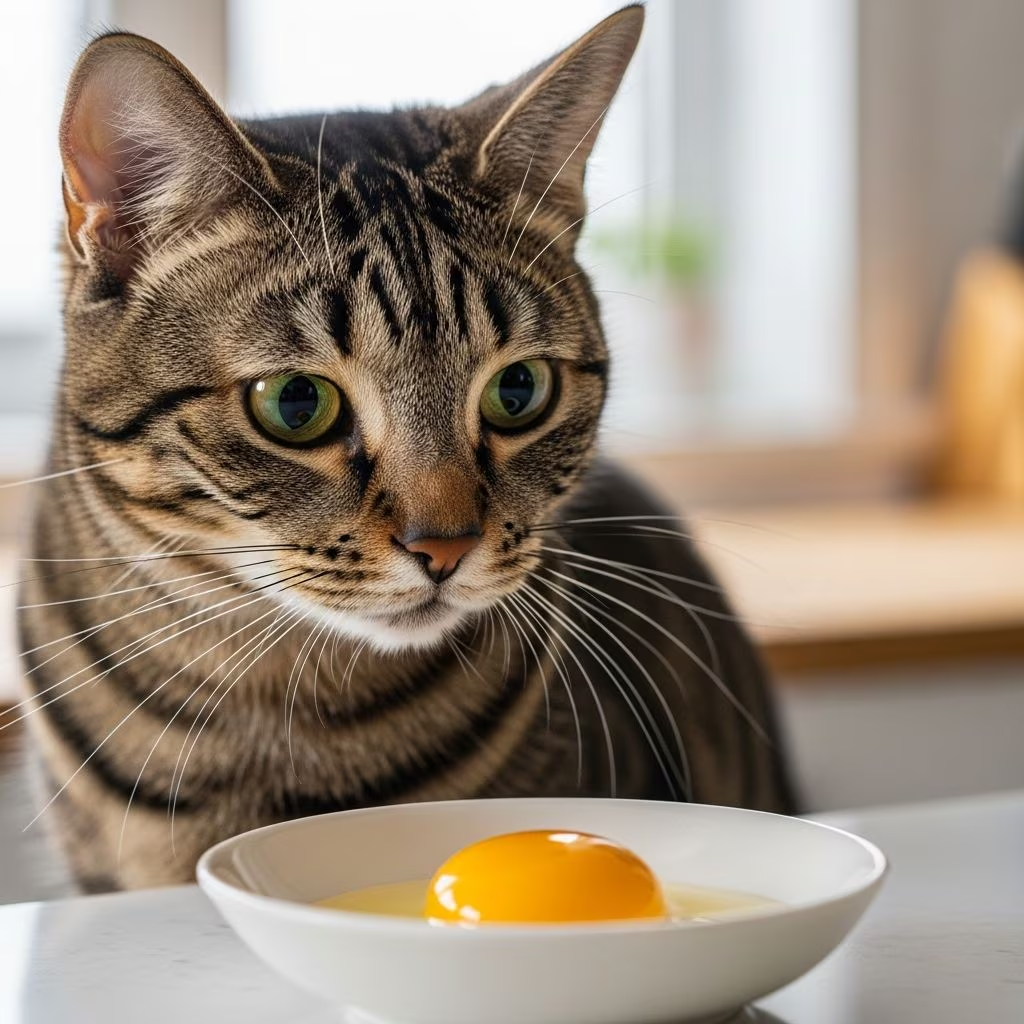
Can Cats Eat Egg Yolk?
Yes, cats can safely eat egg yolks in moderation. Egg yolks are one of the most nutrient-dense foods you can offer your feline companion, containing essential vitamins, minerals, and healthy fats that support overall health. However, proper preparation and portion control are crucial to ensure you’re providing benefits rather than potential health risks.
As obligate carnivores, cats require high-quality animal proteins and specific nutrients that eggs provide naturally. The yolk, in particular, is packed with compounds that can enhance your cat’s coat quality, immune function, and joint health. Understanding how to safely incorporate egg yolks into your cat’s diet allows you to leverage these benefits while avoiding common pitfalls.
Nutritional Content of Egg Yolk for Cats
Egg yolks are nutritional powerhouses for cats, offering a concentrated source of essential nutrients that their bodies require. A single large egg yolk can provide significant percentages of your cat’s daily nutrient needs.
Here are the key nutrients found in egg yolks:
- Protein – One large yolk provides approximately 21 percent of a cat’s recommended daily protein intake, containing all 10 essential amino acids cats cannot synthesize on their own
- Vitamin A – Essential for maintaining healthy vision, skin, and coat condition
- Vitamin D – Crucial for bone health, calcium absorption, and immune system function
- Vitamin E – A powerful antioxidant that protects cells from damage
- Omega-3 and Omega-6 fatty acids – Support joint health, reduce inflammation, and promote a glossy coat
- Biotin (Vitamin B7) – Essential for healthy skin, claws, and hair growth
- Iron – One large yolk contributes approximately 9 percent of a cat’s daily iron requirement
- Calcium – One large yolk provides about 12 percent of daily calcium needs
- Folate and other B vitamins – Support energy metabolism and nervous system function
This comprehensive nutrient profile makes egg yolks an excellent occasional supplement to a balanced cat diet. The combination of complete proteins with healthy fats makes yolks particularly valuable for cats with specific health needs.
Raw vs. Cooked Egg Yolk: Which Is Better?
One of the most common questions cat owners ask is whether raw or cooked egg yolks are safer for their feline friends. The answer leans strongly toward cooked preparation.
Raw Egg Yolk: Risks and Considerations
While some pet nutrition enthusiasts advocate for raw feeding diets, raw eggs come with documented risks that shouldn’t be ignored:
- Bacterial contamination – Raw eggs can harbor Salmonella and E. coli bacteria, which are found on the eggshell and can contaminate the yolk during cracking
- Biotin absorption interference – Raw egg whites contain avidin, an enzyme that binds to biotin and prevents its absorption, potentially leading to vitamin B7 deficiency over time
- Variable risk levels – Healthy adult cats have lower risk of serious illness from Salmonella, but kittens, senior cats, and immunocompromised cats face significantly higher danger
If you choose to feed raw egg yolks despite these risks, source eggs from reputable farmers with healthy chickens, wash eggs thoroughly with warm water before use, and feed immediately after opening. However, veterinarians generally recommend avoiding raw eggs entirely.
Cooked Egg Yolk: The Safest Choice
Cooking egg yolks eliminates the primary safety concerns associated with raw eggs:
- Destroys harmful bacteria including Salmonella and E. coli
- Deactivates avidin, allowing full biotin absorption
- Makes nutrients more bioavailable and easier for cats to digest
- Maintains all essential vitamins and minerals through gentle heating
Best cooking methods for cats:
- Boiled – Simply place eggs in water and boil until hard-cooked; serves plain without salt or seasoning
- Poached – Cooked in water only, with no added fats or oils, making this the healthiest option
- Scrambled plain – Mixed with water only, no butter, oil, or dairy products
Avoid fried eggs or preparations with added butter, oil, cream, or any seasonings, as these can cause digestive upset and increase pancreatitis risk in cats.
Health Benefits of Egg Yolk for Cats
When fed appropriately, egg yolks offer numerous health benefits that can enhance your cat’s quality of life:
Coat and Skin Health
The biotin and omega fatty acids in egg yolks work synergistically to produce a lustrous, healthy coat. Cats receiving adequate biotin demonstrate improved hair growth, reduced shedding, and shinier fur. This is particularly beneficial for long-haired breeds prone to matting and cats with naturally dull coats.
Immune System Support
Vitamins A and D in egg yolks strengthen your cat’s immune response, helping them fight off infections and maintain overall wellness. These fat-soluble vitamins are essential for white blood cell function and antibody production.
Joint and Muscle Support
The complete amino acid profile and healthy fats support muscle maintenance and joint flexibility. This makes egg yolks particularly valuable for:
- Senior cats experiencing age-related muscle loss and joint stiffness
- Active, athletic cats requiring additional protein for muscle repair
- Cats recovering from illness or surgery
Digestive Health
The natural fats in egg yolks support healthy intestinal flora and promote better nutrient absorption throughout the digestive system. This can improve overall digestion and reduce gastrointestinal issues in sensitive cats.
Special Situations Where Egg Yolk Is Particularly Useful
- Pregnant and lactating cats – Provides concentrated nutrition for mother cats and developing kittens
- Underweight cats – High-calorie content supports healthy weight gain
- Post-illness recovery – Nutrient density promotes faster healing and regeneration
- Senior cats – Supports muscle retention and joint health in aging felines
- Active cats – Provides quickly available energy for high-energy breeds
Risks and Precautions
While egg yolks offer significant benefits, several risks warrant careful consideration before incorporating them into your cat’s diet:
Fat and Calorie Content
Egg yolks are high in fat and calories relative to their size. Excessive consumption can contribute to obesity and may trigger gastrointestinal upset or pancreatitis in susceptible cats. A single large egg yolk contains approximately 60 calories and 5 grams of fat—substantial amounts for a small animal.
Cholesterol Concerns
While cholesterol is not problematic for most healthy cats, it can pose risks for overweight cats or seniors with existing heart conditions. Discuss egg yolk supplementation with your veterinarian if your cat has cardiovascular concerns.
Biotin Deficiency Risk
If your cat accidentally consumes raw egg whites—perhaps by stealing eggs from your kitchen—the avidin enzyme can bind biotin and create deficiencies over time. This is an important reason to keep raw eggs secured and always feed cooked yolks only.
Allergic Reactions
While egg allergies are rare in cats, they can occur, particularly in cats with sensitive digestive systems or existing food allergies. Watch for signs including:
- Vomiting or diarrhea
- Skin itching or rashes
- Loss of appetite
- Lethargy or behavioral changes
If you notice any adverse reactions after introducing egg yolk, discontinue feeding and consult your veterinarian.
Proper Portion Control and Feeding Guidelines
Moderation is essential when feeding egg yolks to cats. The recommended approach ensures nutritional benefits without excessive fat or calorie intake:
- Frequency – Offer egg yolk as an occasional treat, not a daily supplement
- Portion size – A teaspoon to one tablespoon of cooked egg yolk per serving is appropriate
- Weekly limit – No more than one to two servings per week for most cats
- Caloric balance – Treats including egg yolk should constitute no more than 10 percent of your cat’s total daily caloric intake
- Age considerations – Avoid eggs for kittens under six months old, as they cannot process excess calcium effectively
Always consult with your veterinarian before making dietary changes, particularly if your cat has existing health conditions, obesity, or sensitivities.
How to Prepare Egg Yolk for Your Cat
Preparing egg yolk safely requires minimal effort but attention to detail:
- Select fresh, high-quality eggs from a reputable source
- Wash the egg under warm running water to remove surface bacteria
- Boil the egg in water for 10-12 minutes until fully cooked
- Cool completely before handling
- Carefully separate the yolk from the white
- Chop or break the yolk into small, manageable pieces
- Serve plain with no salt, seasonings, or additives
- Store leftovers in the refrigerator for up to three days in an airtight container
Never add butter, oil, salt, garlic, onions, or any human seasonings to your cat’s egg preparation, as these can cause serious health issues.
Frequently Asked Questions (FAQs)
Q: Can kittens eat egg yolk?
A: It’s best to avoid feeding egg yolk to kittens under six months old, as their digestive systems are still developing and they cannot efficiently process excess calcium. Consult your veterinarian before introducing eggs to young kittens.
Q: How often can I feed my cat egg yolk?
A: Limit egg yolk to an occasional treat, no more than once or twice weekly. This ensures your cat receives nutritional benefits without excessive fat or calorie intake that could contribute to obesity.
Q: Is egg white safe for cats?
A: Cooked egg whites are safe when served plain, but they lack the nutritional density of yolks and contain avidin when raw, which interferes with biotin absorption. The yolk is the superior choice nutritionally.
Q: Can I give my cat raw egg yolk?
A: While some raw-feeding advocates allow it, cooked egg yolk is safer due to elimination of bacterial contamination risks. If you choose raw feeding, source eggs from reputable farmers and maintain strict food safety practices.
Q: What should I do if my cat shows signs of an egg allergy?
A: Stop feeding egg immediately and contact your veterinarian. They can perform allergy testing and recommend alternative nutritional supplements if needed.
Q: Can cats with pancreatitis eat egg yolk?
A: No. Cats with pancreatitis should avoid high-fat foods including egg yolks. Work with your veterinarian to develop an appropriate diet for managing this condition.
Q: Are there any cats that shouldn’t eat egg yolk?
A: Yes, avoid egg yolk for cats with pancreatitis, severe obesity, heart disease, existing food allergies, or digestive sensitivities. Always consult your veterinarian before introducing new foods to your cat’s diet.
References
- Can Cats Eat Eggs? — Purina US. https://www.purina.com/articles/cat/feeding/can-cats-eat/eggs
- Can Cats Eat Eggs? — PetMD. https://www.petmd.com/cat/nutrition/can-cats-eat-eggs
- Can Cats Eat Eggs? – Chewy — Chewy. https://www.chewy.com/education/cat/food-and-nutrition/can-cats-eat-eggs
- Can Cats Eat Eggs? Raw, Cooked, Yolk — Cornucopia Pet Foods. https://www.cornucopiapetfoods.com/blogs/news/can-cats-eat-eggs
- Egg Yolk for Cats: Healthy or Dangerous? — RumbleBox. https://rumble-box.com/en/blogs/futterungstipps-katzenwissen/eigelb-fur-katzen
- Feed My Cat a Raw Egg Yolk? — Hare Today (Feline Nutrition). https://hare-today.com/feline-nutrition/answers/answers-feed-my-cat-a-raw-egg-yolk



