

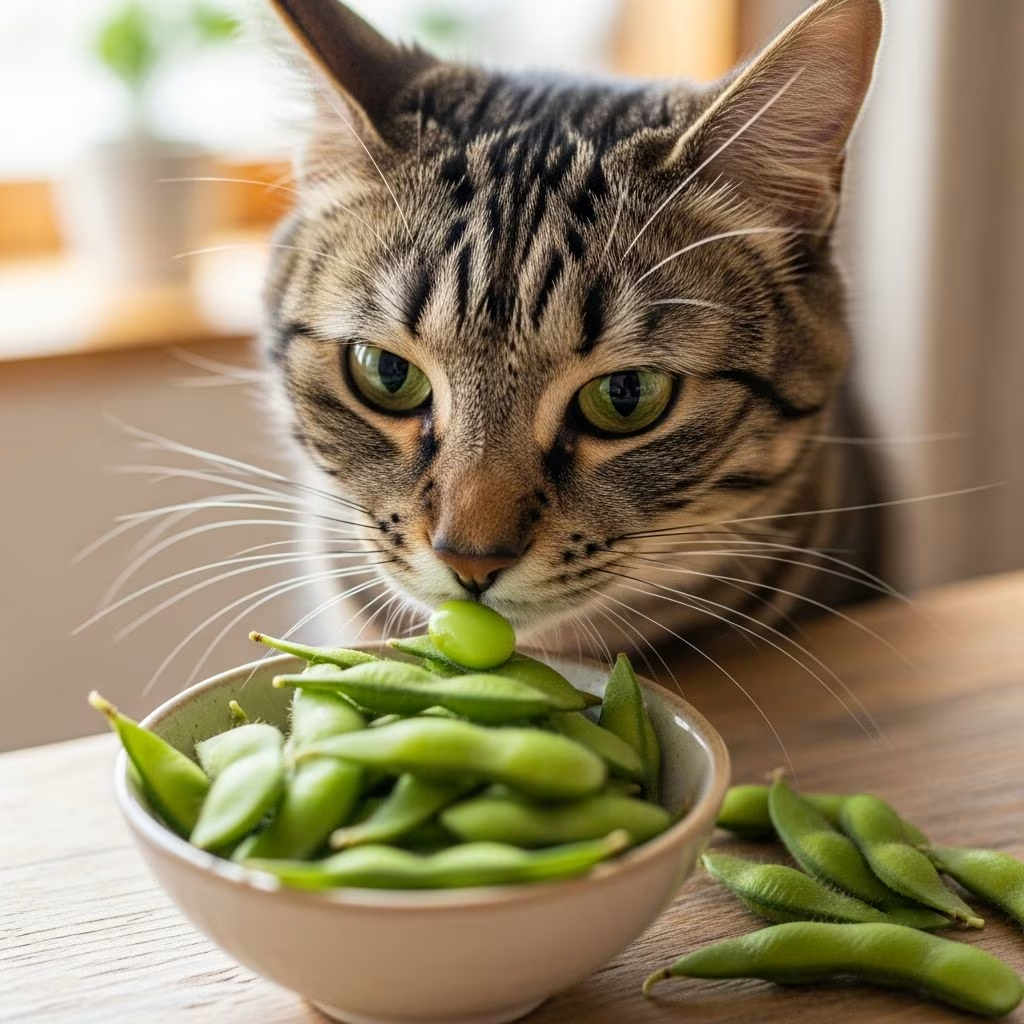
Edamame, young soybeans popular in Asian cuisine, can intrigue curious cats eyeing your snack. While plain, cooked edamame is not toxic to cats, it should only be offered as an occasional treat in very small amounts due to their obligate carnivore diet. Regular consumption can lead to nutritional imbalances, digestive issues, or other health concerns. This comprehensive guide explores edamame’s safety, benefits, risks, preparation methods, and alternatives to keep your feline friend healthy.
What Is Edamame?
Edamame refers to immature green soybeans harvested before full maturity, typically boiled or steamed in pods and served as a snack. Originating from Japan, the name ‘edamame’ means ‘stem bean’ or ‘branched bean,’ reflecting how they’re often sold on stalks. Nutritionally, edamame is packed with plant-based protein, fiber, vitamins (like K and C), minerals (such as magnesium, calcium, iron), and healthy polyunsaturated fats. For humans, it’s a low-calorie, nutrient-dense food supporting heart health and digestion. However, cats have unique dietary requirements as obligate carnivores, thriving primarily on animal proteins rich in taurine and other essential amino acids absent in plants.
Edamame differs from mature soybeans, which are harder and often processed into products like tofu or soy milk. While soybeans appear in some commercial cat foods after heavy processing for digestibility, raw or underprocessed forms can irritate a cat’s sensitive gut. Understanding these distinctions is crucial before sharing with your pet.
Can Cats Eat Edamame?
The short answer is yes, cats can eat small amounts of plain, cooked edamame without toxicity risk, but it’s not recommended as a regular treat. Veterinary sources agree that occasional nibbles pose minimal harm for most cats, but larger quantities or seasoned versions can cause problems. Cats lack the digestive enzymes to efficiently break down plant proteins and fibers, making edamame less ideal than meat-based treats.
A 2023 veterinary review notes that while edamame provides supplementary protein, it cannot replace the complete amino acid profile cats derive from prey-like foods. If your cat sneaks a bean, monitor for issues, but proactive caution prevents vet visits.
Nutritional Benefits of Edamame for Cats
In moderation, edamame offers minor nutritional perks as a treat, comprising less than 10% of daily calories. Key benefits include:
- Protein Boost: Edamame contains about 11-12g of protein per 100g, providing a plant-based supplement, though inferior to animal sources for feline needs.
- Fiber for Digestion: Soluble and insoluble fiber aids gut motility, potentially preventing constipation when given sparingly.
- Healthy Fats: Polyunsaturated fats support skin, coat health, and energy without excess calories.
- Vitamins and Minerals: Vitamin K aids blood clotting, vitamin C boosts immunity (though cats synthesize it), magnesium supports bones, calcium regulates muscles, and iron forms hemoglobin—plant iron absorbs less efficiently.
These nutrients enhance variety but don’t fulfill core carnivore requirements. A table compares edamame to typical cat food nutrients:
| Nutrient (per 100g) | Edamame | Commercial Cat Food (Dry) |
|---|---|---|
| Protein | 11g | 30-40g |
| Fiber | 5g | 2-5g |
| Fat | 5g | 15-20g |
| Taurine | 0mg | 0.1-0.2% |
Data synthesized from veterinary nutrition sources. Edamame lacks taurine, critical for cat heart and eye health.
Potential Risks and Dangers
Despite benefits, edamame poses risks, especially in excess:
- Digestive Upset: High fiber can cause gas, bloating, diarrhea, or constipation.
- Choking Hazard: Pods or whole beans may obstruct airways, particularly in kittens or small cats.
- Seasonings Toxicity: Salt, garlic, onion, or soy sauce introduce sodium overload, hemolytic anemia, or hypertension.
- Allergies or Sensitivities: Rare soy allergies manifest as itching, vomiting, or lethargy.
- Nutritional Imbalance: Over-reliance displaces vital animal proteins, risking deficiencies.
- Hyperthyroidism Concerns: Soy may interfere with thyroid function in affected cats.
Raw edamame contains phytohemagglutinin (PHA), a lectin toxin inactivated by cooking, potentially causing severe vomiting or lethargy. Always cook thoroughly.
How to Safely Feed Edamame to Cats
Follow these guidelines for safe sharing:
- Prepare Properly: Boil or steam plain pods, shell beans, mash or chop finely to reduce choking.
- Portion Control: Limit to 1-3 small beans per day for a 10lb cat, no more than 10% of calories.
- Introduce Gradually: Start with one bean; observe 24-48 hours for reactions.
- Avoid Additives: No salt, oils, spices, or pods.
- Frequency: Once a week max; prioritize vet-approved foods.
For kittens, pregnant, or senior cats, skip entirely due to sensitive systems.
What to Do If Your Cat Eats Too Much Edamame
If ingestion exceeds safe amounts, watch for symptoms: vomiting, diarrhea, drooling, lethargy, appetite loss, breathing issues. Mild cases resolve with fasting and hydration; severe ones need vet care. Induce vomiting only under professional guidance. Prevention trumps reaction—store snacks securely.
Edamame Alternatives: Better Treats for Cats
Opt for carnivore-friendly options:
- Commercial freeze-dried meat treats (high protein, low carb).
- Cooked plain chicken, turkey, or fish (no bones/seeds).
- Catnip or silver vine for stimulation.
- Vet-formulated dental chews.
These align with nutritional needs without plant risks.
Frequently Asked Questions (FAQs)
Can cats eat edamame pods?
No, pods are fibrous, indigestible, and pose choking risks. Serve shelled beans only.
Is soy safe for cats?
Processed soy in cat food is okay sparingly, but raw/whole soy like edamame should be minimal due to digestibility issues.
Can kittens eat edamame?
No, kittens’ developing guts can’t handle it; stick to kitten formula.
What if my cat has a bad reaction to edamame?
Contact your vet immediately if vomiting, diarrhea, or lethargy occurs.
Can I give my cat soy sauce with edamame?
Absolutely not—high sodium is toxic.
Conclusion
Edamame can be a rare, fun treat for cats if plain, cooked, and minimal, offering fiber and protein boosts without toxicity. However, as obligate carnivores, cats thrive on meat-centric diets. Prioritize balanced commercial food, use edamame sparingly, and consult your vet for personalized advice. This keeps playtime safe and tails wagging high.
References
- Can Cats Eat Edamame? A Vet’s Perspective — Dialavet. 2024. https://www.dialavet.com/blog/can-cats-eat-edamame
- Can Cats Eat Edamame? Vet Reviewed Nutritional Facts & Safety — Hepper. 2024. https://articles.hepper.com/can-cats-eat-edamame/
- Can Cats Eat Edamame? Vet-Verified Facts — Huston Veterinary. 2024. https://hustonveterinary.com/can-cats-eat-edamame/
- Edamame – Cat Safe Foods — CatsafeFoods. 2024. https://catsafefoods.com/edamame



