

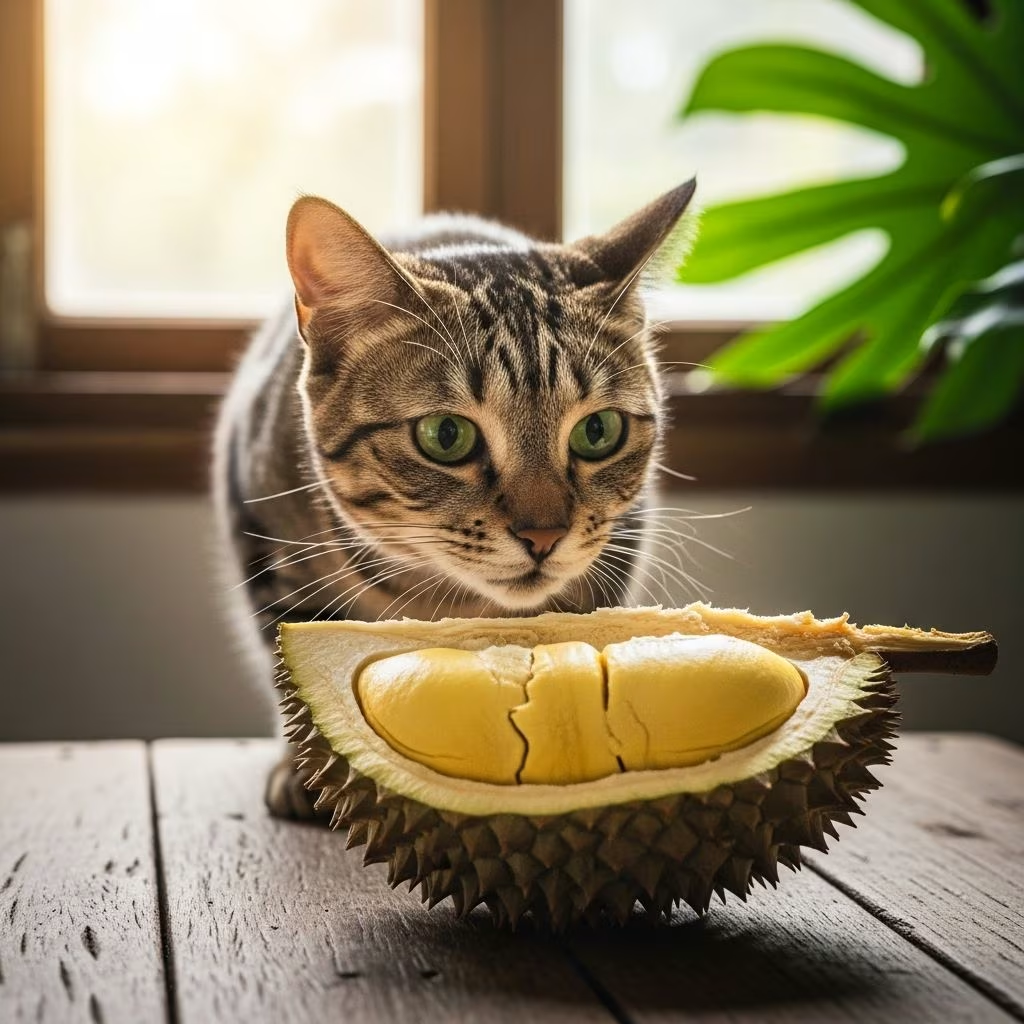
Durian, known as the ‘king of fruits’ for its pungent aroma and creamy texture, is a delicacy in Southeast Asia but poses questions for cat owners. While not toxic to cats, durian is not recommended as part of their diet due to its high calorie, fat, and sugar content, which can lead to digestive upset in obligate carnivores like felines.
What Is Durian?
Durian is a large, spiky fruit native to Southeast Asia, prized for its unique flavor despite its notoriously strong smell, often described as a mix of onions, garlic, and sweet custard. The edible flesh is soft and creamy, encased in a tough, thorny husk, with large seeds inside. Nutritionally, per 100 grams, it contains 147 kilocalories, 5.33g fat, 27.1g carbohydrates, 3.8g fiber, 1.47g protein, and vitamins like 19.7mg vitamin C, alongside potassium (436mg), magnesium (30mg), and thiamine (0.374mg).
For humans, durian offers antioxidants, fiber, and energy, but cats, being obligate carnivores, derive minimal benefit from these plant-based nutrients. Their digestive systems are optimized for meat proteins, not fruits high in sugars and fats.
Can Cats Eat Durian?
Technically, yes, cats can eat small amounts of durian flesh without immediate toxicity, but it’s ultimately not advisable. Durian isn’t part of a cat’s natural prey-based diet, providing no essential nutritional value and risking mild gastrointestinal issues. If a cat sneaks a bite, monitor for symptoms, but intentional feeding should be avoided or vet-approved.
- Not toxic: No evidence of poisoning from flesh consumption.
- Digestive risks: High fat and sugar can cause upset.
- Calorie-dense: Contributes to obesity if given regularly.
Veterinarians emphasize sticking to complete cat foods, as fruits like durian exceed the 10% treat limit in a cat’s diet.
Durian Nutrition Facts
Durian’s profile makes it appealing for humans but problematic for cats. Here’s a breakdown per 100g serving:
| Nutrient | Amount |
|---|---|
| Kilocalories | 147 |
| Fat | 5.33g |
| Carbohydrates | 27.1g |
| Fiber | 3.8g |
| Protein | 1.47g |
| Vitamin C | 19.7mg |
| Potassium | 436mg |
| Magnesium | 30mg |
| Thiamine | 0.374mg |
| Calcium | 6mg |
Cats lack enzymes to efficiently process carbohydrates and excess fats, leading to potential weight gain or pancreatitis-like symptoms.
Dangers of Durian for Cats
While the flesh isn’t poisonous, several risks arise:
- Gastrointestinal upset: Symptoms include vomiting, diarrhea, lip smacking, and loss of appetite due to unfamiliar fibers and sugars.
- High fat content: Excess fat risks pancreatitis, a painful inflammation causing abdominal pain, dehydration, and lethargy.
- Sugars and calories: Promote obesity, diabetes, and related issues like heart disease.
- Husk and seeds: Spiky exterior can injure mouths; seeds pose choking or blockage hazards.
- Allergies or sensitivities: Rare, but some cats react adversely to novel foods.
If symptoms appear post-exposure, withhold food briefly, ensure hydration, and consult a vet promptly.
Symptoms to Watch For
Post-durian ingestion, observe for 24-48 hours:
- Lip smacking or drooling
- Vomiting (once or repeatedly)
- Diarrhea (loose stools)
- Lethargy or hiding
- Reduced appetite
- Abdominal discomfort (hunched posture)
Mild cases resolve naturally, but persistent signs warrant veterinary attention to rule out blockages or pancreatitis.
Can Cats Eat Durian Seeds or Skin?
No. The spiky green-brown skin is indigestible and hazardous, potentially causing mouth lacerations, choking, or intestinal obstruction. Seeds, while not always toxic, contain trace cyanide and expand when chewed, risking blockages. Discard husk and seeds entirely; only consider plain flesh in tiny amounts, if at all.
Are There Any Benefits?
Minimal for cats. Potential hydration from water content or trace vitamins exists, but commercial cat foods provide superior, bioavailable nutrition. Cats can’t taste sweetness due to absent sweet receptors, so durian’s appeal is scent or texture-driven for adventurous eaters. Most reject it outright from the odor.
How Should You Serve Durian to Cats?
Don’t serve routinely. If vet-approved for a curious cat:
- Offer minuscule amounts (pea-sized for adults).
- Use only fresh, ripe flesh; remove seeds/skin.
- Mash slightly for easier digestion.
- Limit to occasional treats (<10% diet).
- Introduce gradually, monitoring reactions.
Combine with wet food to dilute impact. Prioritize meat-based treats.
Can Cats Eat Any Fruits?
Yes, some in moderation as treats. Cats benefit little from fruits’ carbs but tolerate small portions of safe options:
- Blueberries: Antioxidants; 2-3 berries max.
- Bananas: Potassium; thin slices sparingly due to sugar.
- Apples: Peeled, seeded, diced; fiber source.
- Watermelon: Seedless rind removed; hydrating.
- Cantaloupe: Low-calorie; small cubes.
Avoid grapes/raisins (toxic), citrus (acidity), and pits/seeds. Always 90% diet from balanced cat food.
Conclusion
Durian captivates humans but holds little allure or value for cats. While a stolen nibble won’t likely harm, proactive feeding risks digestive woes without benefits. Consult your vet for personalized advice, and opt for carnivore-appropriate nutrition to keep your cat thriving. Safer treats abound—stick to them for a happy, healthy feline.
Frequently Asked Questions
Q: Is durian toxic to cats?
A: No, durian flesh is not toxic, but it can cause mild digestive upset like vomiting or diarrhea.
Q: What if my cat ate durian?
A: Monitor for symptoms; most recover fine. Contact a vet if issues persist beyond 24 hours.
Q: Why do cats dislike durian smell?
A: The pungent odor repels many cats, though some curious ones may investigate.
Q: Can durian cause pancreatitis in cats?
A: High fat content raises risk, especially with repeated exposure, similar to dogs.
Q: What fruits are safest for cats?
A: Blueberries, bananas (small amounts), and watermelon; always vet-approved and minimal.
References
- Can Cats Eat Durian? Vet-Reviewed Facts & Safety Guide — Hepper. 2023. https://articles.hepper.com/can-cats-eat-durian/
- Can Dogs Eat Durian? Vet-Verified Nutrition Facts & Safer Alternatives — Dogster. 2023. https://www.dogster.com/dog-nutrition/can-dogs-eat-durian
- Can Cats Eat Blueberry Muffins? Vet Approved Facts & FAQ — Catster. 2023. https://www.catster.com/nutrition/can-cats-eat-blueberry-muffins/



