

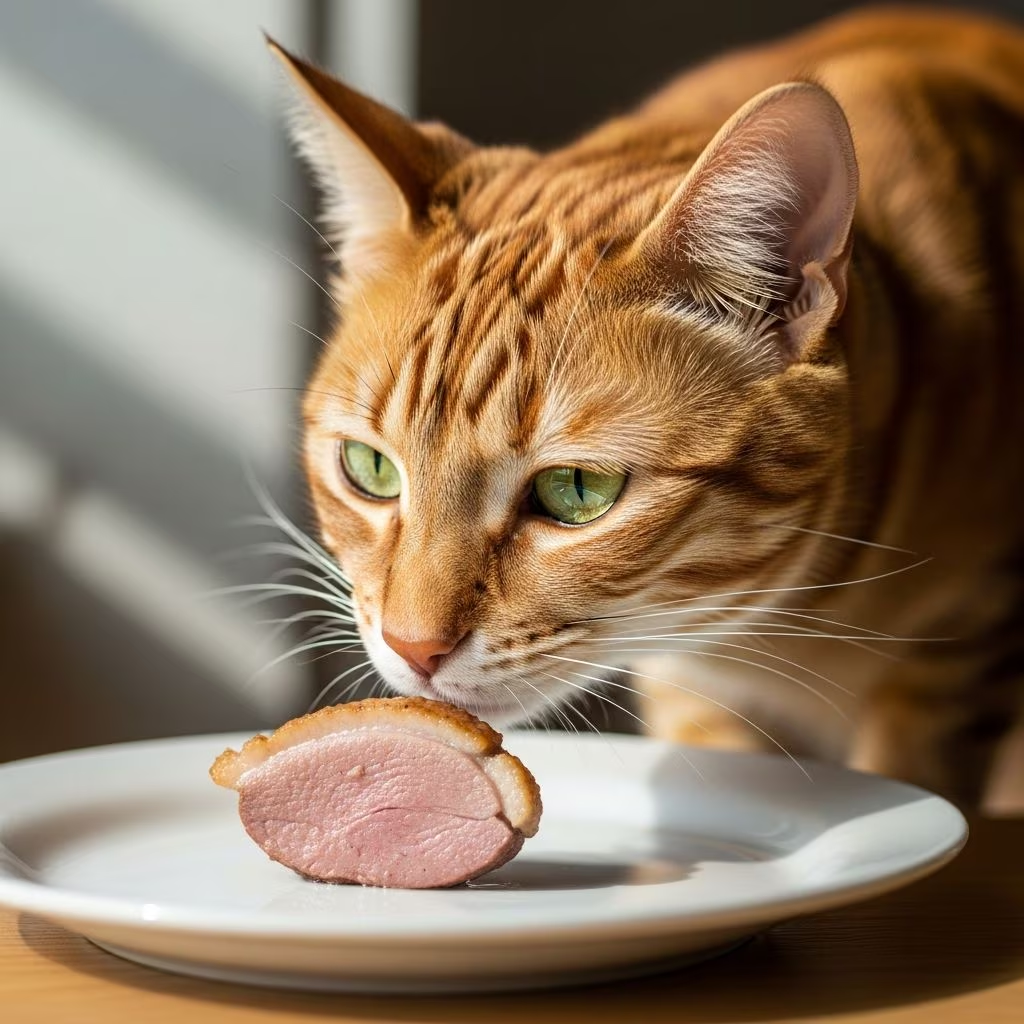
Cats are **obligate carnivores**, meaning they thrive on meat-based diets rich in animal proteins to obtain essential nutrients like taurine, vitamins, and minerals. While common proteins like chicken and turkey dominate commercial cat foods, many cat owners wonder: can cats eat duck? The answer is yes—duck meat is safe and beneficial for most cats when prepared properly, serving as an excellent alternative protein, especially for those with allergies to chicken or beef.
Duck provides high-quality protein packed with essential amino acids, B vitamins, iron, zinc, and omega-6 fatty acids that support muscle health, energy levels, skin, coat, vision, and heart function. However, its higher fat content compared to leaner meats like chicken requires moderation, particularly for overweight cats or those with kidney concerns. This comprehensive guide covers everything from nutritional benefits to safe feeding practices, risks, and FAQs, drawing from veterinary insights and nutritional data.
Can Cats Eat Duck Meat?
**Yes, cats can eat duck meat safely.** It’s a staple in many premium cat foods from brands like Taste of the Wild, Blue Buffalo, Nulo, Stella & Chewy’s, and Vital Essentials, confirming its suitability as a primary protein source. Duck offers a novel protein option for cats with sensitivities to more common meats, helping reduce itching, digestive upset, or allergies triggered by chicken, beef, or turkey.
Nutritionally, duck excels in delivering the 11 essential amino acids cats cannot produce themselves, vital for energy, growth, reproduction, and tissue repair. Per 100 grams of raw duck, it provides approximately 18.3 grams of protein—sufficient for muscle maintenance, fur, skin, and nail health. Unlike some meats, duck is lower in fat than beef or pork (often half the fat content), making it a balanced choice, though still richer than turkey or chicken.
- Protein Powerhouse: Supports lean muscle mass and overall vitality.
- Flavor Appeal: Its rich taste entices picky eaters, improving mealtime enjoyment.
- Hypoallergenic Potential: Ideal for food-sensitive cats.
Nutritional Benefits of Duck for Cats
Duck meat is nutrient-dense, offering a profile tailored to feline needs. Key components include:
| Nutrient | Benefits for Cats | Found in Duck |
|---|---|---|
| Essential Amino Acids (incl. Taurine) | Heart health, vision, reproduction | Complete profile |
| B Vitamins (B6, B12) | Metabolism, energy, nerve function | High levels |
| Iron & Zinc | Immune support, oxygen transport | Abundant |
| Omega-6 Fatty Acids (Linoleic Acid) | Skin/coat health, prevents dermatitis | Key source |
| Phosphorus & Potassium | Bone health, electrolyte balance | Good amounts (monitor in kidney cases) |
These nutrients make duck superior for coat shine, skin health, and vitality. Omega-6 acids combat dryness, while B vitamins boost metabolism—crucial for active cats. Compared to chicken, duck has more iron and zinc but higher fat (about 28% fat vs. chicken’s 15-20%), so it’s best as a treat or rotation protein.
Can Cats Eat Raw Duck Meat?
**No, avoid feeding raw duck meat prepared at home.** Raw meats harbor bacteria like Salmonella and E. coli, risking severe illness in cats, including vomiting, diarrhea, and organ damage. Fully cook duck to eliminate pathogens—boil, bake, or pan-fry without seasonings.
Commercially prepared raw duck cat foods (e.g., frozen patties from Stella & Chewy’s or Vital Essentials) are safe, as they’re tested, balanced, and pathogen-free. However, for homemade, cooking is non-negotiable. Remove skin to cut fat, and never offer bones, which splinter and cause choking or intestinal blockages.
How to Safely Feed Duck to Cats
To incorporate duck safely:
- Prepare Simply: Cook plain—no salt, spices, oils, onions, garlic, or herbs, as these are toxic to cats.
- Portion Control: Limit to 10% of daily calories as treats; use as topper for kibble. For a 10-lb cat, 1-2 oz occasionally.
- Introduce Gradually: Start small to check for allergies (itching, GI upset). Monitor kittens/seniors closely.
- Remove Hazards: Skin, fat, bones—only lean meat.
- Forms: Fresh cooked, canned/wet foods, dehydrated treats, or commercial raw.
For weight management or kidney disease, consult a vet—duck’s phosphorus and potassium can exacerbate issues. Pair with balanced commercial food for complete nutrition.
Health Risks and Considerations
While beneficial, duck isn’t ideal for all cats:
- High Fat: Risk of obesity/pancreatitis in sedentary or overweight cats. Opt for skinless cuts.
- Kidney Concerns: Elevated phosphorus/potassium may worsen chronic kidney disease (CKD).
- Allergies: Rare, but watch for reactions. Novel protein benefits most allergy sufferers.
- Bones/Skin: Choking, obstruction, excess calories.
Chicken or turkey are leaner staples; reserve duck for variety.
Can Cats Eat Duck Eggs?
**Yes, cooked duck eggs are safe in moderation.** Like chicken eggs, they provide protein, selenium, zinc, iron, vitamin A, and choline. Avoid raw due to Salmonella risk. Scramble or boil plainly; limit to occasional treats.
Commercial Duck Cat Foods
Duck features in many vet-recommended foods:
- Wet: Blue Buffalo, Nulo
- Dry: Taste of the Wild
- Raw/Freeze-Dried: Stella & Chewy’s, Vital Essentials
- Fresh: Darwin’s Natural Pet Products
These ensure balance, unlike homemade-only diets.
Frequently Asked Questions (FAQs)
Q: Is duck better than chicken for cats?
A: Duck offers more iron/zinc but higher fat; chicken is leaner for daily use. Duck suits allergies.
Q: How much duck can I feed my cat?
A: As 10% of diet max; 1-2 oz for average cat. Consult vet for specifics.
Q: Can kittens eat duck?
A: Yes, cooked/plain in small amounts after weaning. Introduce slowly.
Q: Is duck good for cats with allergies?
A: Excellent novel protein alternative.
Q: Can senior cats eat duck?
A: Yes, if no kidney/weight issues; lean preparation key.
Conclusion
Duck is a nutritious, safe addition to most cats’ diets, rich in proteins and vitamins for health and palatability. Feed cooked, skinless, and moderately for best results. Always vet-check for individual needs to ensure a balanced, thriving feline life.
References
- Can Cats Eat Duck? — PetCloud. 2023. https://www.petcloud.com.au/d/blog/can-cats-eat-duck/
- Can Cats Eat Duck? — WagWalking. 2024-01-15. https://wagwalking.com/wellness/can-cats-eat-duck
- Can Cats Eat Duck? Vet-Approved Nutritional Facts & FAQ — Catster. 2025-06-12. https://www.catster.com/nutrition/can-cats-eat-duck/
- Can Cats Eat Duck? Nutritional Facts & Safety Guide — Hepper. 2024. https://articles.hepper.com/can-cats-eat-duck/
- Is Duck Good for Cats? Benefits & Tips — Darwin’s Natural Pet Products. 2024-03-20. https://www.darwinspet.com/blogs/transitioning/is-duck-good-for-cats-benefits-tips



