

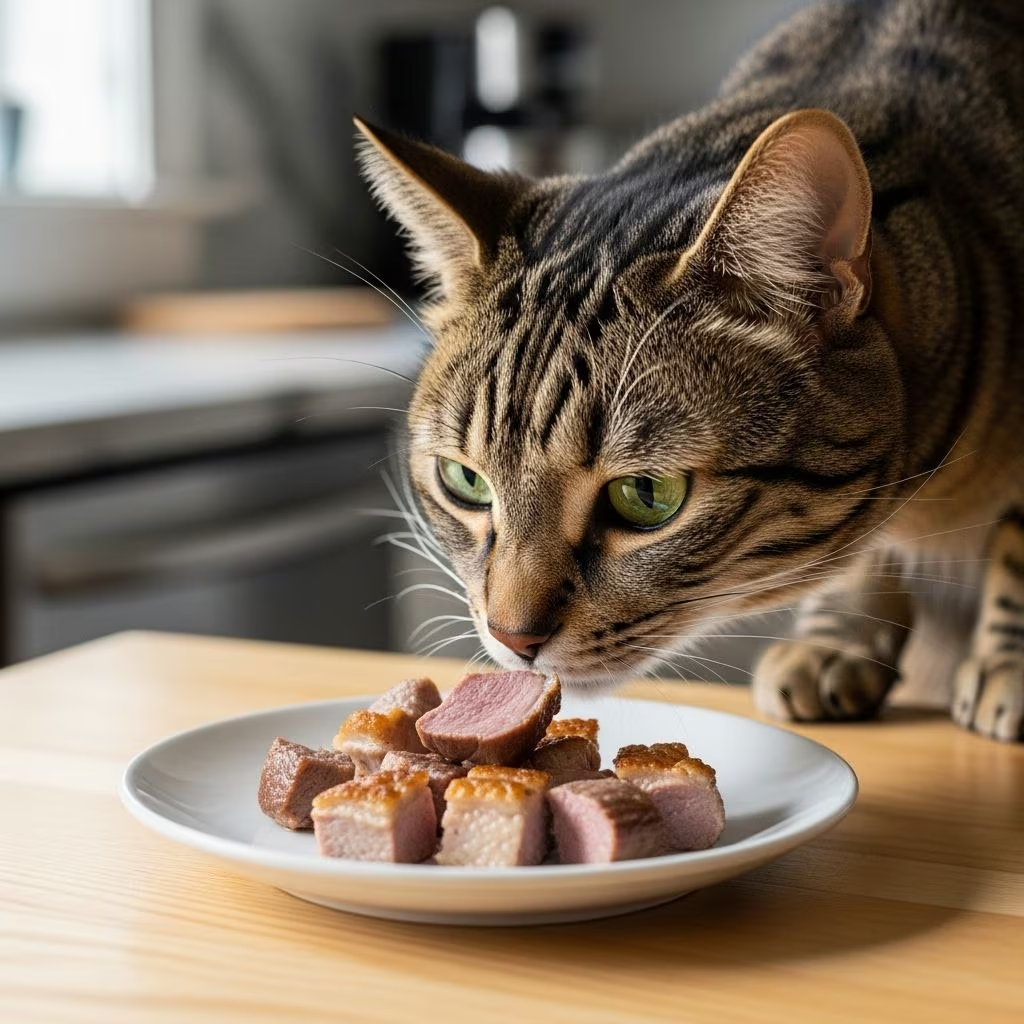
Cats are obligate carnivores requiring high-quality animal protein for essential nutrients like taurine, vitamins, and minerals to thrive. Duck meat serves as a safe, nutrient-dense option, often featured in commercial cat foods from brands like Taste of the Wild and Blue Buffalo. It provides protein, B vitamins, iron, zinc, and omega-6 fatty acids, making it ideal for cats allergic to chicken or beef.
Can Cats Eat Duck Meat?
Yes, cats can eat duck meat safely. As an alternative protein, duck suits picky eaters or those with sensitivities to common proteins like chicken, beef, or turkey. Its rich flavor encourages eating, while essential amino acids support energy, growth, reproduction, muscle maintenance, skin, coat, and nail health. Duck contains all 11 essential amino acids cats need, though slightly lower in protein than turkey or chicken.
Duck’s nutritional profile includes B6, B12 vitamins for metabolism, phosphorus, potassium, selenium, zinc, iron, vitamin A, and choline. Omega-6 fatty acids, particularly linoleic acid, promote healthy skin and coat, preventing dryness and dermatitis.
Can Cats Eat Raw Duck Meat?
No, avoid feeding raw duck meat prepared at home. Raw meat risks harmful bacteria like Salmonella and E. coli, potentially causing severe illness in cats. Fully cook duck to eliminate pathogens, ensuring it’s plain without spices, salt, pepper, oils, or herbs that could upset digestion.
Commercially prepared raw duck cat foods from brands like Stella & Chewy’s, Vital Essentials, or Smallbatch undergo safety testing, making them safer options. However, for homemade feeding, cooking is essential.
Nutritional Benefits of Duck for Cats
- High-Quality Protein: 18.3 grams per 100 grams of raw duck supports muscle development, fur, skin, and overall vitality as obligate carnivores demand.
- Rich in Minerals and Vitamins: Zinc aids immune function; iron prevents anemia; B vitamins boost energy and metabolism; taurine maintains heart and vision health.
- Omega Fatty Acids: Omega-6 promotes glossy coat and healthy skin, beneficial for dermatitis-prone cats.
- Hypoallergenic Option: Novel protein for allergies to chicken, beef, or turkey, enticing picky eaters.
How to Safely Feed Duck Meat to Your Cat
Prepare duck simply: remove skin to reduce fat, cook in a non-stick pan without seasonings until fully done. Start with small portions mixed into kibble to monitor reactions like allergies or digestive upset. Offer as an occasional treat (10% of diet) or primary protein in balanced commercial foods.
| Aspect | Recommendations | Portion Guidelines |
|---|---|---|
| Cooked Duck | Plain, boneless, skinless | 1-2 tsp per meal for adults; less for kittens |
| Frequency | Occasional treat or in commercial food | Not daily if high-fat concerns |
| Introduction | Gradual, observe 24-48 hours | Start with pea-sized amounts |
Duck is fattier than chicken or turkey (lower fat than some beef/pork cuts), so limit for overweight cats or those needing low-fat diets. High phosphorus and potassium may exacerbate kidney disease or hyperkalemia—consult vets for affected cats.
Can Cats Eat Duck Eggs?
Yes, cooked duck eggs are safe and nutritious, providing protein, selenium, zinc, iron, vitamin A, and choline. Avoid raw eggs due to Salmonella risk, same as raw meat. Cook thoroughly without additives.
Is Duck Good for Cats with Allergies or Special Needs?
Duck excels as a novel protein for allergy-prone cats, reducing itchiness or digestive issues from common meats. However, rare duck allergies exist—watch for vomiting, diarrhea, or swelling. For kidney patients, phosphorus-rich duck warrants vet approval.
Commercial Duck Cat Foods
Many brands formulate balanced duck recipes: wet foods for hydration, dry kibble for convenience. Examples include Nulo, Blue Buffalo—ensure AAFCO compliance for complete nutrition. Fresh or frozen raw options from reputable sources add variety.
Risks and Precautions
- Bones: Never give cooked bones—they splinter, causing choking or internal injury.
- Fat Content: Excess leads to obesity, pancreatitis—remove skin.
- Seasonings: Toxic additives like garlic, onions harm cats.
- Overfeeding: Unbalances diet; treats max 10% calories.
- Kittens/Seniors: Introduce slowly; seniors may need lower phosphorus.
The Bottom Line
Duck is healthy, safe, and beneficial for most cats when prepared correctly—cooked, plain, skinless, boneless. Prioritize leaner chicken/turkey for regulars without allergies, using duck as a varied treat. A balanced diet ensures longevity; always vet-consult for health issues.
Frequently Asked Questions
Can cats eat duck bones?
No, cooked duck bones splinter easily, posing choking and perforation risks. Stick to boneless meat.
How much duck can I feed my cat?
As treats: 1-2 teaspoons daily max; integrate into commercial foods per label. Adjust for weight/health.
Is duck better than chicken for cats?
Duck suits allergies but is fattier; chicken is leaner for routine feeding unless allergic.
Can kittens eat duck?
Yes, in small, cooked amounts after weaning, but primary kitten food first. Monitor digestion.
What if my cat has kidney disease?
Avoid or limit due to high phosphorus/potassium—vet guidance essential.
References
- Can Cats Eat Duck? — PetCloud. 2023. https://www.petcloud.com.au/d/blog/can-cats-eat-duck/
- Can Cats Eat Duck? — WagWalking. 2024-01-15. https://wagwalking.com/wellness/can-cats-eat-duck
- Can Cats Eat Duck? Vet-Approved Nutritional Facts & FAQ — Catster. 2024. https://www.catster.com/nutrition/can-cats-eat-duck/
- Can Cats Eat Duck? Nutritional Facts & Safety Guide — Hepper. 2023. https://articles.hepper.com/can-cats-eat-duck/
- Is Duck Good for Cats? Benefits & Tips — Darwin’s Natural Pet Products. 2024. https://www.darwinspet.com/blogs/transitioning/is-duck-good-for-cats-benefits-tips



