

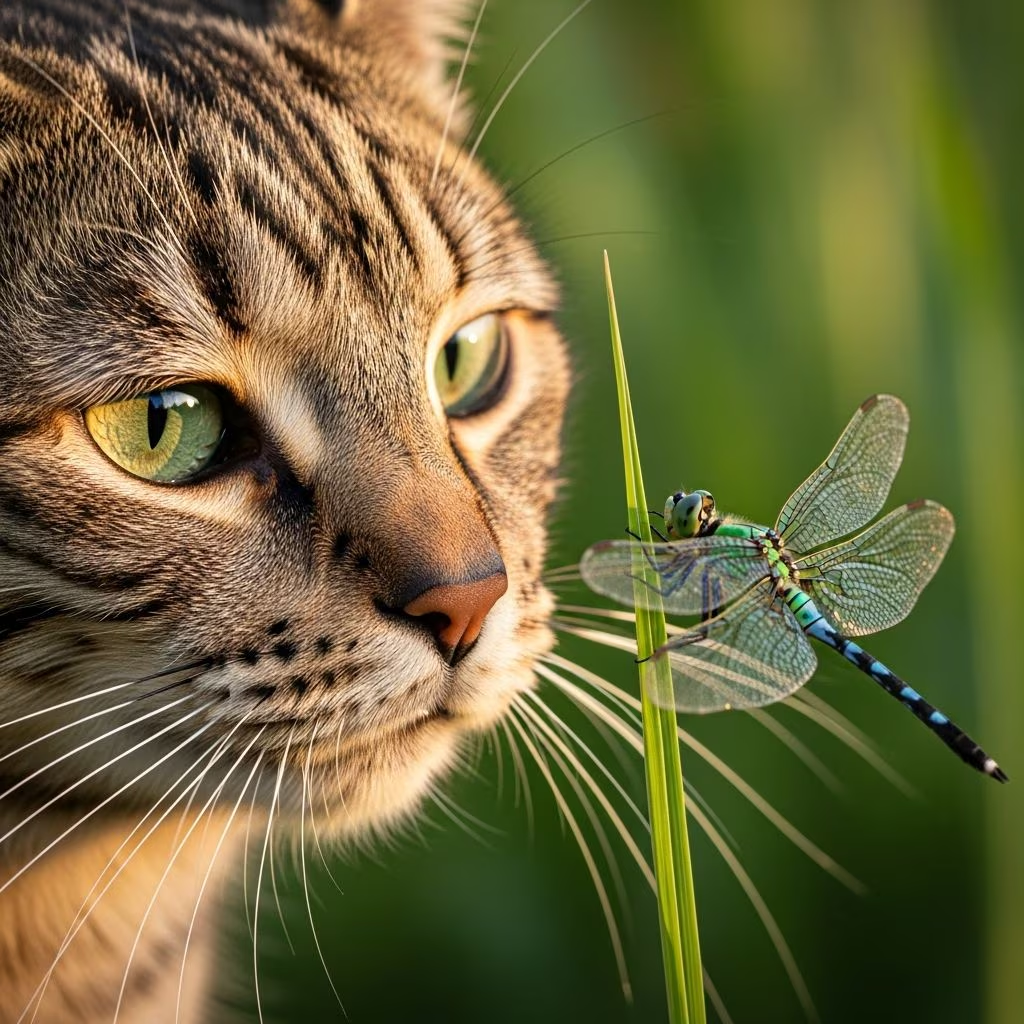
Cats are natural predators with an irresistible urge to chase fluttering insects like dragonflies. But as a responsible pet parent, you might wonder: can cats eat dragonflies safely? The short answer is yes, dragonflies are generally safe and non-toxic for cats, offering a harmless snack that satisfies their hunting instincts. Unlike venomous insects or those with stingers, dragonflies pose minimal health risks, making occasional consumption worry-free for most felines.
This comprehensive guide mirrors expert insights on feline nutrition and behavior, diving into why cats love the chase, potential minor risks, what to monitor, and safe alternatives. Whether your indoor cat snags one near a window or your outdoor adventurer brings home a prize, understanding the facts ensures peace of mind. We’ll cover everything from safety profiles to FAQs, empowering you to let your cat enjoy nature’s playthings responsibly.
Safety Profile: Are Dragonflies Safe for Cats?
Dragonflies rank among the safer insects for cats to encounter. These aerial acrobats lack stingers, venom sacs, or potent mandibles capable of injuring feline skin or mouths. Their vibrant colors—iridescent blues, greens, and reds—are evolutionary signals for mating, not toxicity warnings, distinguishing them from poisonous species like certain beetles or spiders.
Scientific consensus supports their harmlessness: no studies link dragonfly consumption to feline poisoning. Cats’ digestive systems efficiently process chitin—the tough exoskeleton material found in insects—breaking it down without issue. A single dragonfly or occasional nibble provides negligible calories but satisfies instinctual urges without disrupting a balanced commercial cat food diet.
That said, context matters. Dragonflies from pesticide-treated gardens could carry trace residues, though bioaccumulation in insects is low enough that one or two won’t harm your cat. Urban or rural sourcing doesn’t significantly alter this low-risk profile, as dragonflies are apex insect predators themselves, rarely harboring cat-specific pathogens.
Understanding Your Cat’s Dragonfly-Hunting Behavior
The sight of your cat leaping skyward after a dragonfly is pure instinct at work. Domestic cats retain the predatory drive of their wild ancestors, Felis silvestris lybica, where hunting comprised 60-90% of daily activity even when satiated. Dragonflies’ erratic flight—darting at speeds up to 30 mph with 360-degree vision—presents the ultimate challenge: unpredictable prey requiring explosive speed, precise pouncing, and split-second decisions.
This behavior isn’t about hunger; it’s mental enrichment. Chasing provides aerobic exercise, sharpening reflexes and releasing endorphins that reduce stress and boredom. Indoor cats, deprived of natural outlets, fixate on window-perched dragonflies, turning screens into hunting grounds. Outdoor cats view yards as savannas, where a dragonfly buzz signals playtime. Far from harmful, this interaction mimics evolutionary enrichment, promoting physical fitness and cognitive health.
Fun fact: Kittens learn hunting through play with siblings or toys mimicking insects. Adult cats ‘practice’ on dragonflies to maintain skills, even post-spay/neuter when appetites stabilize. Encouraging this safely builds confidence and prevents destructive behaviors like excessive meowing or furniture scratching.
Potential Health Considerations
While overwhelmingly safe, no wild food is risk-free. Here’s a breakdown of minor concerns:
- Digestive Upset: Rare cases of vomiting or soft stools occur from chitin overload or rapid ingestion. Symptoms self-resolve in 12-24 hours.
- Pesticide Residue: Dragonflies in sprayed areas might retain minimal toxins, but feline livers detoxify effectively unless massive quantities are consumed.
- Parasite Risk: Negligible; dragonflies don’t vector tapeworms or protozoa common in fleas/mice. No documented feline outbreaks.
- Nutritional Impact: Insects offer protein (up to 60% dry weight) and fats but lack taurine, vitamins A/D/E, essential for cats. Treat as fun, not food.
Large dragonflies (e.g., emperor species up to 4 inches) might cause momentary choking if gulped whole, but cats chew instinctively. Allergic reactions are virtually unheard of.
Monitoring Your Cat’s Dragonfly Interactions
Prevention isn’t necessary, but vigilance is. Observe post-hunt for 24 hours, noting stool quality, energy, and appetite. Most cats self-regulate, eating few insects amid ample kibble. Excessive pursuit might signal under-stimulation—address with toys.
Signs to Watch For
- Persistent vomiting (beyond once)
- Lethargy or hiding
- Appetite refusal lasting >12 hours
- Diarrhea with blood/mucus
- Excessive drooling or pawing mouth
If symptoms appear, withhold food 4-6 hours, offer water, and consult a vet if unresolved. Dehydration poses greater risk than the insect itself. Pro tip: Keep vet contact handy and note exposure details (e.g., garden chemicals).
For multi-pet homes, separate briefly if one cat hunts heavily, preventing competition stress.
What Insects Are Dangerous to Your Cat?
Not all bugs are benign. While dragonflies shine safely, avoid these hazards:
| Insect | Risk Level | Symptoms |
|---|---|---|
| Wasps/Bees | High | Stings cause swelling, anaphylaxis |
| Poisonous Spiders (e.g., black widow) | High | Neurotoxins, tremors |
| Fire Ants | Medium | Painful bites, itching |
| Scorpions | High | Venom, pain, drooling |
| Large Beetles/Roaches | Low-Medium | Choking, exoskeleton irritation |
| Exotic Caterpillars | Medium | Hairs cause dermatitis, vomiting |
Steer cats from these via barriers or supervision.
How Can I Keep My Cat Entertained Without Outdoor Insects?
Enrich indoors with:
- Feather wands mimicking flight
- Laser pointers for chase
- Window perches for bird/insect viewing
- Cat trees, tunnels for pouncing
- Puzzle feeders simulating hunt
- Daily 15-min play sessions
Rotate toys to sustain interest, fulfilling instincts sans risks.
Frequently Asked Questions (FAQs)
Can cats safely eat dragonflies without any health risks?
Yes, dragonflies are non-toxic with minimal risks like mild digestive upset. Monitor briefly.
Why do cats chase dragonflies even if not hungry?
Natural predatory instincts triggered by erratic movements provide exercise and fun.
Are there dangers from parasites or diseases in dragonflies?
Extremely low; dragonflies rarely carry cat-affecting parasites.
What if my cat shows digestive upset after a dragonfly?
Watch 24 hours; vet if persists. Usually resolves alone.
Can dragonflies bite or harm my cat?
No, mandibles too weak to break skin.
Should I stop my indoor cat from eating house flies or dragonflies?
Safe in moderation; provide alternatives for balance.
Final Thoughts
Dragonflies delight cats as safe, thrilling prey—non-toxic, bite-free, and instinct-nourishing. Embrace the hunt with awareness: monitor for rarities like upset tummy, prioritize commercial nutrition, and enrich environments. Your agile hunter thrives on such joys, staying healthy and happy under your watchful eye. Next dragonfly sighting? Cheer the pounce guilt-free.
References
- Can Cats Eat Dragonflies? A Complete Safety Guide for Pet Parents — PetsCare. 2024-06-15. https://www.petscare.com/news/post/can-cats-eat-dragonflies
- Can Cats Eat Dragonflies? Nutritional Facts & Safety Guide — Hepper. 2024-08-20. https://articles.hepper.com/can-cats-eat-dragonflies/
- If my cat ate a dragonfly, should I be concerned? — Dial A Vet. 2024-05-10. https://www.dialavet.com/vet-answers/post/cat-ate-dragonfly-51237



