

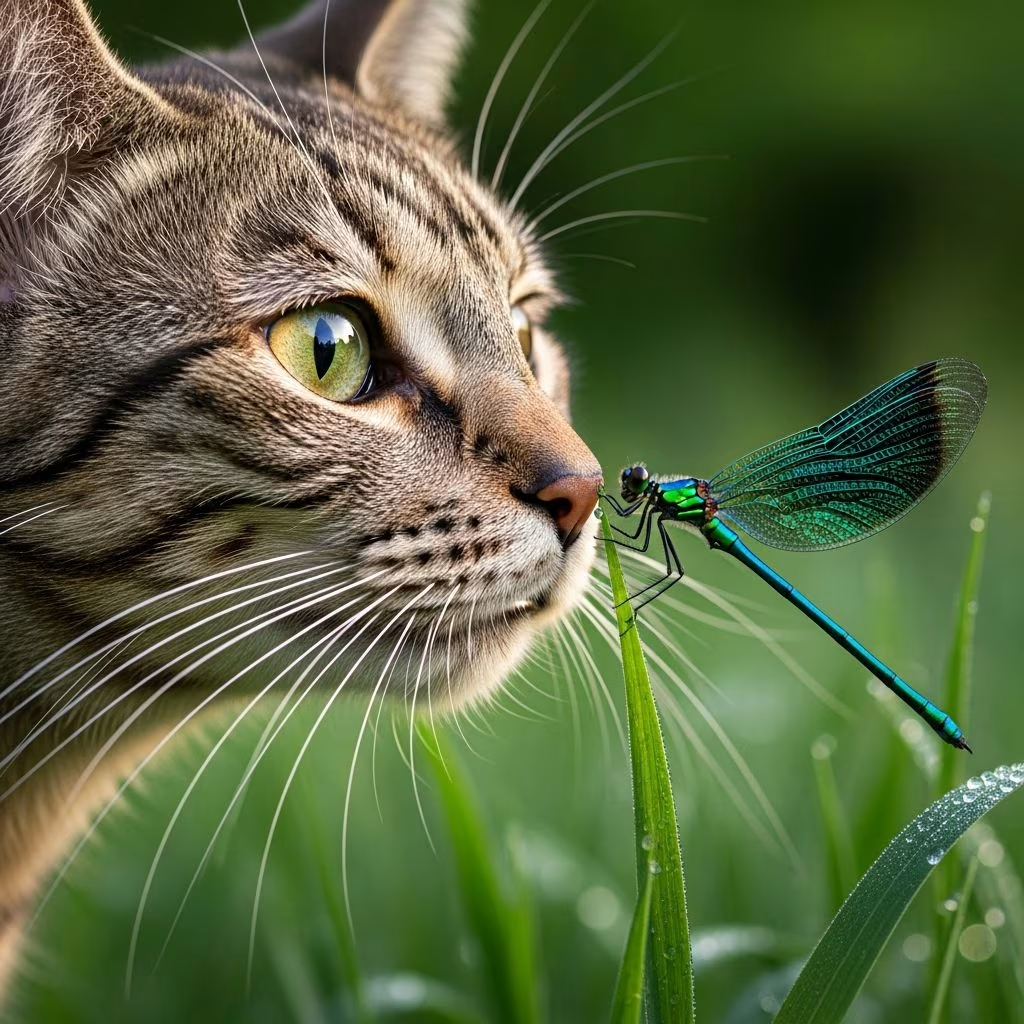
Can Cats Eat Dragonflies? A Complete Safety Guide for Pet Owners
The sight of your cat stalking and catching a dragonfly can certainly make any pet owner pause with concern. However, the good news is that dragonflies are generally safe for cats to eat. These beautiful insects pose minimal health risks to your feline companion, making them one of the safer wild insects your cat might encounter and consume. Understanding the safety profile of dragonflies and how to monitor your cat’s behavior when hunting them is essential for responsible pet ownership.
Are Dragonflies Toxic to Cats?
One of the primary concerns pet owners have is whether dragonflies are poisonous or toxic to cats. The reassuring answer is that dragonflies are non-toxic and do not produce harmful substances. Unlike some other insects in nature that contain venom or toxins, dragonflies lack these dangerous properties. They do not have stingers that could harm your cat, and their bright coloration—which can make some pet owners nervous—is purely for mating purposes and has no connection to toxicity.
The mandibles, or mouth parts, of dragonflies are not strong enough to cause injury to your cat’s skin or internal organs. Even if your cat is bitten or scratched during the hunting process, the damage would be negligible and not a cause for concern. This fundamental safety characteristic makes dragonflies a much less worrisome prey item compared to other insects or creatures your cat might encounter outdoors.
Understanding the Safety Profile
From a toxicological perspective, dragonflies present one of the safest insect options for cats to consume. Scientific research has consistently demonstrated that these insects do not carry or produce harmful toxins that could affect your feline companion. Their exoskeleton, while rigid, does not present significant danger to cats with normal swallowing abilities.
The safety of dragonflies extends to their natural composition. Unlike some colorful insects that use bright hues as a warning of toxicity, dragonflies are genuinely harmless creatures. This means you don’t need to worry if your cat manages to catch and consume a dragonfly during outdoor playtime or exploration.
Potential Health Considerations
While dragonflies themselves are safe, several minor health considerations are worth understanding:
- Possible digestive upset: Rare and usually mild, some cats may experience minor stomach discomfort
- Pesticide exposure: Minimal risk if the dragonfly was recently in treated areas
- Parasite transmission: Dragonflies are not significant carriers of parasites that affect cats
- Limited nutritional value: While dragonflies contain some protein and nutrients, they should not replace regular cat food
- Choking risk: Primarily a concern for smaller cats or kittens with a rigid exoskeleton
Why Cats Hunt Dragonflies
Understanding why cats are attracted to dragonflies helps pet owners manage their outdoor activities more effectively. Cats chase dragonflies due to their natural hunting instincts. The quick, erratic movements of these insects trigger a cat’s predatory drive, making them exciting targets for play and practice hunting. The bright colors of dragonflies also capture feline attention in ways that other, slower insects do not.
Even if your cat is not hungry, the chase itself provides valuable mental and physical exercise. For indoor cats given outdoor access, hunting dragonflies offers enrichment and stimulation that mirrors their natural behaviors. However, the nutritional value of consuming a dragonfly is minimal compared to a balanced commercial cat food diet.
Risks Associated with Eating Dragonflies
Although dragonflies are generally safe, several specific risks warrant awareness:
Choking Hazard
One of the primary concerns with dragonflies is their rigid exoskeleton. If a cat attempts to swallow a dragonfly whole, it could potentially become lodged in the throat. This risk is particularly elevated for smaller cats or kittens with smaller esophagi. Larger adult cats typically manage dragonfly consumption without difficulty, but supervision remains advisable.
Pesticide and Environmental Exposure
If a dragonfly has been exposed to pesticides through direct contact or by consuming contaminated aquatic insects, your cat could face potential toxin exposure. While the direct risk from eating a single pesticide-exposed insect is relatively low, repeated exposure could accumulate harmful substances. The risk is especially elevated if you use pesticides in your yard or live near areas with intensive pesticide application.
Parasite and Disease Concerns
Dragonflies are not significant carriers of parasites or diseases that affect cats. The risk of disease transmission from dragonflies to cats is extremely low. However, dragonflies could theoretically carry bacteria or parasites if they’ve been in contaminated water. Most cats’ digestive systems are designed to handle exposure to certain bacteria and parasites, so illness from this source is uncommon.
Digestive Upset
Some cats may experience mild digestive discomfort after eating a dragonfly. The rigid exoskeleton can be difficult for some felines to digest, potentially leading to vomiting or diarrhea. These symptoms are usually not serious and resolve within a few days, but they warrant monitoring and veterinary consultation if they persist.
Monitoring Your Cat’s Dragonfly Interactions
While you don’t necessarily need to prevent your cat from catching dragonflies, observing their behavior and watching for unusual symptoms is wise. Most cats will naturally limit their insect consumption, but excessive hunting or concerning symptoms warrant veterinary attention.
Signs to Watch For
After your cat has eaten a dragonfly, monitor them closely for the following symptoms over the next 24 hours:
- Repeated vomiting
- Unusual lethargy or decreased activity
- Loss of appetite
- Diarrhea or other digestive issues
- Excessive drooling
- Significant changes in energy levels or behavior
If any of these symptoms appear and persist beyond 24 hours, consult your veterinarian. In most cases, mild digestive upset resolves on its own without intervention.
What to Do If Your Cat Shows Digestive Upset
If your cat displays signs of digestive discomfort after eating a dragonfly, the first step is to monitor them closely. Ensure your cat has access to fresh water to prevent dehydration. Most cases of mild digestive upset resolve within a few days without specific treatment. However, if symptoms persist, worsen, or if your cat shows signs of more serious illness, contact your veterinarian immediately. Your vet can assess whether the symptoms are related to dragonfly consumption or indicate another health issue.
Nutritional Content of Dragonflies
While dragonflies are not poisonous and pose minimal risk, they should not be considered a nutritional supplement to your cat’s diet. Dragonflies do contain some protein and other nutrients that cats can digest, but the quantities are negligible compared to your cat’s actual dietary needs. A balanced, commercial cat food formulated specifically for feline nutrition should remain your cat’s primary food source.
Treating dragonfly consumption as an occasional hunting success and natural behavior enrichment, rather than as a food source, is the appropriate perspective for responsible cat ownership.
Alternatives to Outdoor Dragonfly Hunting
If you prefer to limit your cat’s exposure to dragonflies or other outdoor insects, several enrichment alternatives can satisfy their hunting instincts:
- Interactive toys that mimic insect movements
- Regular play sessions with string toys, feather wands, or laser pointers
- Creating an enriching indoor environment with climbing spaces and window perches
- Puzzle feeders that engage problem-solving instincts
- Scheduled outdoor time in supervised or enclosed spaces
These alternatives provide mental and physical stimulation without the potential risks associated with hunting wild insects.
Comparing Dragonflies to Other Common Insects
| Insect Type | Toxic to Cats | Has Stinger/Venom | Risk Level |
|---|---|---|---|
| Dragonflies | No | No | Low |
| Bees/Wasps | No (venom) | Yes | Moderate to High |
| Butterflies | No | No | Low |
| Beetles | Some species | No | Low to Moderate |
| Spiders | Mostly No | Some venomous | Low to Moderate |
Frequently Asked Questions
Q: Can cats safely eat dragonflies without any health risks?
A: Yes, cats can safely eat dragonflies as they are non-toxic and pose minimal health risks. However, as with any wild insect, there’s a small chance of mild digestive upset. Most cats experience no adverse effects from consuming dragonflies.
Q: Why do cats chase and sometimes eat dragonflies even if they aren’t hungry?
A: Cats chase dragonflies due to their natural hunting instincts. The quick, erratic movement of dragonflies triggers their predatory drive, making them exciting targets for play and practice hunting. This behavior is completely normal and provides valuable mental and physical exercise.
Q: Are there any dangers from parasites or diseases when my cat eats dragonflies?
A: Dragonflies are not significant carriers of parasites or diseases that affect cats. The risk of disease transmission from dragonflies to cats is extremely low. A cat’s digestive system is generally equipped to handle exposure to minor bacterial or parasitic threats.
Q: What should I do if my cat shows digestive upset after eating a dragonfly?
A: Monitor your cat for 24 hours and ensure they have access to fresh water. If symptoms persist or worsen, consult your veterinarian. Most cases of digestive upset are mild and resolve on their own without intervention.
Q: How can I keep my cat entertained without letting it hunt outdoor insects like dragonflies?
A: Provide interactive toys that mimic insect movements, engage in regular play sessions, and create an enriching indoor environment with climbing spaces and window perches. These alternatives satisfy hunting instincts while reducing exposure to wild insects.
Q: Are larger dragonflies more dangerous than smaller ones?
A: While larger dragonflies pose a slightly increased choking risk, they are not more toxic or dangerous than smaller species. The primary concern with larger dragonflies is their size relative to your cat’s ability to swallow them safely.
Q: Should I prevent my cat from catching dragonflies?
A: It’s not necessary to prevent your cat from catching dragonflies, as they are generally safe. However, you may choose to discourage this behavior and provide alternative enrichment if you prefer. Responsible pet ownership involves monitoring your cat’s outdoor activities and providing appropriate alternatives for entertainment.
Final Thoughts on Cats and Dragonflies
In summary, dragonflies are one of the safer insects your cat can encounter and consume. They are non-toxic, lack venom or stingers, and do not transmit diseases or parasites of significant concern. While minor digestive upset is possible and choking presents a rare risk for smaller cats, the overall safety profile is reassuring.
Your cat’s natural hunting behaviors should be appreciated as a normal expression of their instincts. Dragonfly hunting provides valuable mental and physical stimulation that contributes to your cat’s overall wellbeing. However, remember that your cat’s primary nutrition should come from a balanced, commercial cat food diet rather than insects or other prey.
By monitoring your cat for unusual symptoms, providing alternative enrichment activities, and maintaining awareness of potential risks such as pesticide exposure, you can support your feline’s natural instincts while ensuring their safety and health. If you ever have concerns about your cat’s behavior or health following insect consumption, don’t hesitate to consult with your veterinarian for professional guidance.
References
- Can Cats Eat Dragonflies? A Complete Safety Guide for Pet Parents — PetsCare. https://www.petscare.com/news/post/can-cats-eat-dragonflies
- Can Cats Eat Dragonflies? Nutritional Facts & Safety Guide — Hepper. https://articles.hepper.com/can-cats-eat-dragonflies/
- Dragonflies And Cats: Are Dragonflies Safe For Cats? — Osunstate. https://business.osunstate.gov.ng/blog/dragonflies-and-cats-are-dragonflies-safe-for-cats-1764798104
- If my cat ate a dragonfly, should I be concerned — Dial A Vet. https://www.dialavet.com/vet-answers/post/cat-ate-dragonfly-51237



