

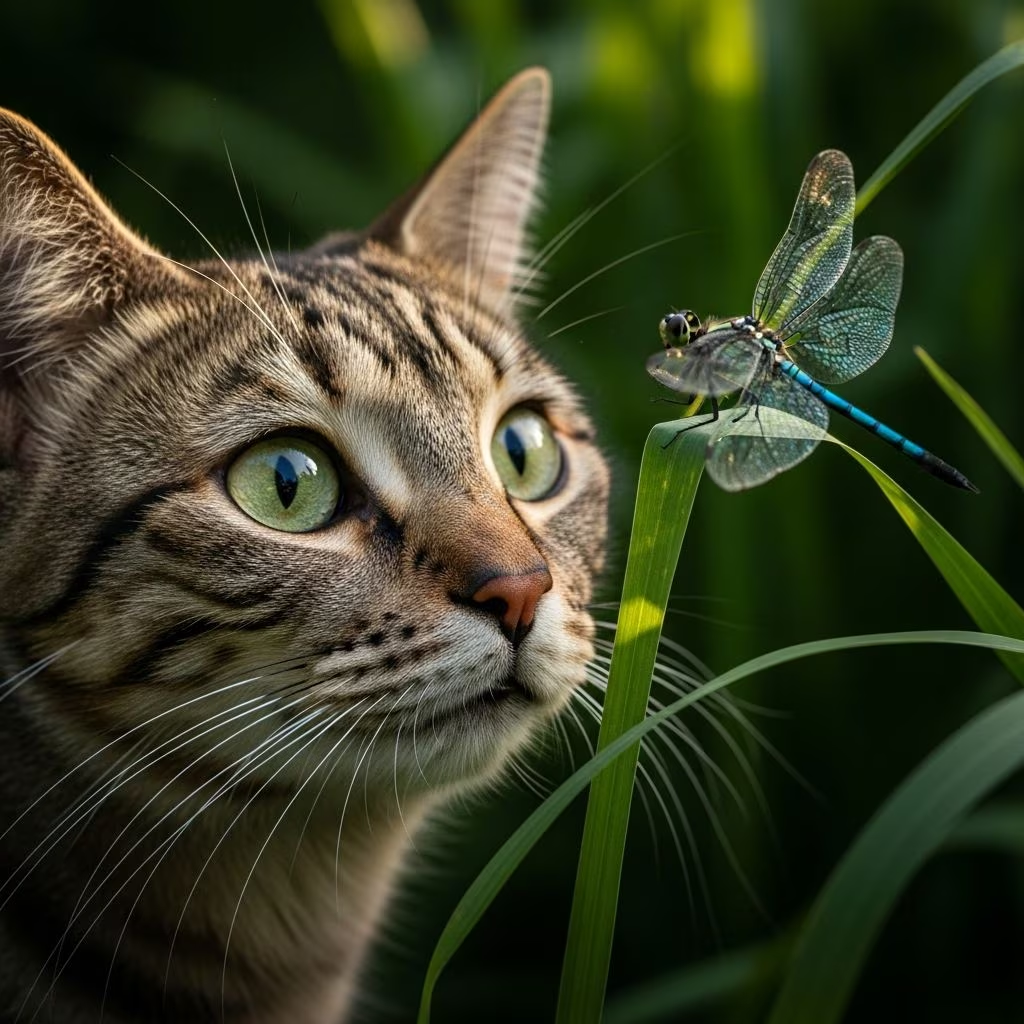
Can Cats Eat Dragonflies? A Complete Safety Guide for Pet Parents
If you’ve ever watched your cat pounce on a dragonfly zipping past the window, you might have wondered whether these colorful insects are safe for your feline companion to eat. The good news is that dragonflies are generally safe for cats to consume without significant health risks. However, understanding the complete picture—including potential concerns and monitoring practices—helps you make informed decisions about your cat’s outdoor activities and overall well-being.
Safety Profile: Are Dragonflies Safe for Cats?
Dragonflies are non-toxic insects that pose minimal risk to cats. Unlike some other flying insects, dragonflies don’t have stingers or venom, making them fundamentally safe for your cat to eat. Their mandibles (mouth parts) aren’t strong enough to harm your cat’s skin, and they cannot deliver any poisonous substances to your pet.
The bright colors of dragonflies might make some pet owners nervous about toxicity, but these beautiful hues serve a purely biological purpose—attracting potential mates for reproduction. These vibrant colors don’t indicate toxicity or danger, unlike some other insects in nature that use bright coloring as a warning to predators. Scientific research has consistently shown that dragonflies don’t produce harmful toxins or carry diseases that could affect your feline companion.
Dragonflies have existed for over 300 million years and are found on every continent except Antarctica, making them a natural part of many ecosystems where cats roam freely. Their evolutionary design doesn’t include defensive mechanisms like venom or stingers that would harm a cat’s digestive system.
Potential Health Considerations When Cats Eat Dragonflies
While dragonflies themselves are safe, there are a few minor health considerations to keep in mind when your cat hunts and consumes these insects:
- Possible digestive upset (rare and usually mild)
- Minimal risk from pesticide exposure if the dragonfly was in treated areas
- No significant parasite transmission concerns from the insect itself
- Limited nutritional value compared to regular balanced cat food
- Potential choking risk with larger dragonfly species
It’s important to note that any risks associated with dragonfly consumption are typically low and manageable with proper monitoring. Most cats will naturally limit their insect consumption and won’t eat dragonflies excessively throughout the day.
Why Do Cats Chase and Eat Dragonflies?
Cats chase dragonflies due to their strong natural hunting instincts that evolved over thousands of years. The quick, erratic movement of dragonflies triggers your cat’s predatory drive, making them exciting targets for play and practice hunting. Even well-fed indoor cats retain these instincts and find the challenge of catching a fast-moving insect mentally and physically stimulating.
The combination of the dragonfly’s bright colors and unpredictable flight pattern makes these insects particularly captivating to cats. Each chase provides your cat with mental exercise, physical activity, and the satisfaction of engaging in natural hunting behaviors—even if they’re hunting in your backyard rather than in the wild.
Understanding Dragonfly Biology and Cat Interactions
Dragonflies are ancient insects with unique physical characteristics. While they do possess teeth and can bite to protect themselves when threatened, their bite is not strong enough to break cat skin or cause injury. A cat’s skin is relatively thick compared to other animals, providing natural protection against the weak bite force of dragonflies.
The rigid exoskeleton of dragonflies is the primary physical concern rather than any defensive mechanism. If a cat attempts to swallow a large dragonfly whole without properly breaking it apart first, there’s a theoretical choking risk, particularly for smaller cats or kittens. However, this risk is relatively low since most cats instinctively handle their prey by breaking it apart or chewing it before swallowing.
Pesticide Exposure and Environmental Concerns
One legitimate concern for cat owners is pesticide exposure through contaminated dragonflies. If you use pesticides in your yard or garden, dragonflies living in those areas may accumulate small amounts of these chemicals. When a cat eats a pesticide-exposed dragonfly, there’s a potential for exposure, though the risk remains relatively low in most cases.
The actual toxin load from eating a single dragonfly treated with pesticides is minimal. A cat would need to consume hundreds of contaminated insects in a short period to experience significant harm. However, if you regularly treat your yard with pesticides and notice your cat hunting dragonflies frequently, it’s worth considering alternative pest control methods or limiting your cat’s access to heavily treated areas.
If you’re concerned about pesticide exposure in your outdoor spaces, organic gardening practices and natural pest management techniques provide safer alternatives that protect both your cat and the local insect population.
Parasites and Disease Transmission
Many pet owners worry about parasites when their cats eat wild insects, but dragonflies are not significant carriers of parasites or diseases that affect cats. The risk of disease transmission from dragonflies to cats is extremely low, particularly compared to other wild prey like rodents or birds.
Dragonflies spend most of their life in aquatic environments as nymphs before emerging as adults. This aquatic life stage means they’re not typically exposed to the parasites and pathogens that affect terrestrial mammals like cats. A cat’s digestive system is also naturally equipped to handle minor bacterial exposure and is far more robust than many people assume.
If a dragonfly does carry parasites, the risk of transmission is minimal because parasites are typically host-specific—meaning they’ve evolved to affect particular species. Parasites adapted for dragonfly biology generally cannot establish infections in cats.
Digestive Concerns and Nutritional Value
Some cats may experience mild digestive upset after eating dragonflies, though this is rare. The rigid exoskeleton can be difficult for some cats to digest, potentially leading to vomiting or diarrhea. If your cat experiences these symptoms, they’re usually mild and resolve on their own within 24 hours.
Nutritionally, dragonflies contain protein and other nutrients that cats can digest, but the amount is minimal. A dragonfly cannot serve as a meaningful nutritional supplement and should never replace balanced commercial cat food as your cat’s primary nutrition source. Cats are obligate carnivores requiring complete proteins, taurine, and other essential nutrients found in formulated cat food, not in occasional wild insects.
Monitoring Your Cat’s Dragonfly Interactions
While you don’t need to frantically prevent your cat from catching dragonflies, it’s wise to observe their behavior and watch for any unusual symptoms. Most cats will naturally limit their insect consumption, but if you notice excessive hunting behavior or concerning health signs, consult your veterinarian.
Signs to watch for after your cat eats a dragonfly include:
- Repeated vomiting or retching
- Unusual lethargy or decreased activity
- Loss of appetite lasting more than 24 hours
- Diarrhea or other digestive issues persisting beyond a few hours
- Excessive drooling
- Changes in energy levels or behavior
- Signs of choking or difficulty swallowing
Most cats will exhibit no symptoms whatsoever after eating a dragonfly. If your cat does show any concerning signs, monitor them closely for 24 hours. If symptoms persist or worsen, contact your veterinarian for professional advice and guidance.
Providing Safe Entertainment Alternatives
If you want to redirect your cat’s hunting instincts away from dragonflies and other outdoor insects, provide engaging alternatives that satisfy their predatory drive:
- Interactive toys that mimic insect movements with feathers, strings, and wand toys
- Laser pointers or light-chasing toys for mental stimulation
- Automated toys that move unpredictably to trigger hunting responses
- Regular play sessions with your cat using their favorite toys
- Window perches for bird and insect watching without the ability to catch them
- Climbing trees and vertical spaces for exercise and exploration
- Puzzle feeders that engage their problem-solving instincts
- Rotate toys regularly to maintain novelty and interest
Creating an enriching indoor environment with climbing spaces, window access, and varied toys can significantly reduce the urge to hunt outdoor insects. This approach respects your cat’s natural instincts while minimizing potential risks.
Frequently Asked Questions
Q: Can cats safely eat dragonflies without any health risks?
A: Yes, cats can safely eat dragonflies as they are non-toxic and pose minimal health risks. However, as with any wild insect, there’s a small chance of mild digestive upset. Monitoring your cat after they eat a dragonfly is recommended, but panic is unnecessary.
Q: Why do cats chase and sometimes eat dragonflies even if they aren’t hungry?
A: Cats chase dragonflies due to their natural hunting instincts. The quick, erratic movement of dragonflies triggers their predatory drive, making them exciting targets for play and practice hunting. This behavior is normal and provides important mental and physical stimulation.
Q: Are there any dangers from parasites or diseases when my cat eats dragonflies?
A: Dragonflies are not significant carriers of parasites or diseases that affect cats. The risk of disease transmission from dragonflies to cats is extremely low, especially compared to other wild prey like rodents or birds that cats might catch.
Q: What should I do if my cat shows digestive upset after eating a dragonfly?
A: Monitor your cat for 24 hours. If symptoms persist or worsen, consult your veterinarian. Most cases of digestive upset are mild and resolve on their own without intervention. Ensure your cat has access to fresh water during this time.
Q: Can dragonflies cause choking in cats?
A: While the rigid exoskeleton of dragonflies could theoretically cause choking, this risk is relatively low. Most cats instinctively break apart their prey before swallowing. Smaller cats and kittens have a slightly higher theoretical risk, but serious choking incidents are uncommon.
Q: How can I keep my cat entertained without letting it hunt outdoor insects?
A: Provide interactive toys that mimic insect movements, engage in regular play sessions, and create an enriching indoor environment with climbing spaces and window perches. Rotate toys regularly and use puzzle feeders to maintain mental stimulation and satisfy hunting instincts.
Q: Is it safe if my cat eats many dragonflies in one day?
A: While occasional dragonfly consumption is safe, excessive hunting may indicate boredom or undersaturation of predatory instincts. Provide more environmental enrichment and interactive play to reduce excessive hunting behavior and ensure your cat’s overall well-being.
Q: Should I use pesticides if my cat hunts dragonflies?
A: It’s best to avoid pesticides in areas where your cat spends time. If you must use pest control, consider natural alternatives and limit your cat’s access to treated areas until pesticides have fully broken down, typically 24-48 hours after application.
Final Recommendations for Responsible Cat Ownership
While dragonflies are safe for cats to eat, responsible pet ownership involves monitoring your cat’s outdoor activities and providing appropriate alternatives for entertainment and exercise. Remember that your cat’s primary nutrition should come from a balanced, commercial cat food diet rather than insects or other wild prey.
The occasional dragonfly consumption is not cause for concern and can even provide valuable mental and physical enrichment through natural hunting behaviors. However, maintaining a safe outdoor environment free from pesticides, providing engaging toys and activities, and monitoring your cat for any unusual symptoms ensures your feline friend remains healthy and happy.
If you have specific concerns about your individual cat’s health or dietary needs, consult with your veterinarian. They can provide personalized guidance based on your cat’s age, health status, and lifestyle. By combining an understanding of what’s safe for cats with proactive environmental management and enrichment, you can confidently allow your cat to engage with their natural instincts while minimizing potential risks.
References
- Can Cats Eat Dragonflies? A Complete Safety Guide for Pet Parents — Petscare. https://www.petscare.com/news/post/can-cats-eat-dragonflies
- Can Cats Eat Dragonflies? Nutritional Facts & Safety Guide — Hepper. https://articles.hepper.com/can-cats-eat-dragonflies/
- Dragonflies and Cats: Are Dragonflies Safe for Cats? — Osunstate. https://business.osunstate.gov.ng/blog/dragonflies-and-cats-are-dragonflies-safe-for-cats-1764798104
- If my cat ate a dragonfly, should I be concerned — Dial A Vet. https://www.dialavet.com/vet-answers/post/cat-ate-dragonfly-51237



