

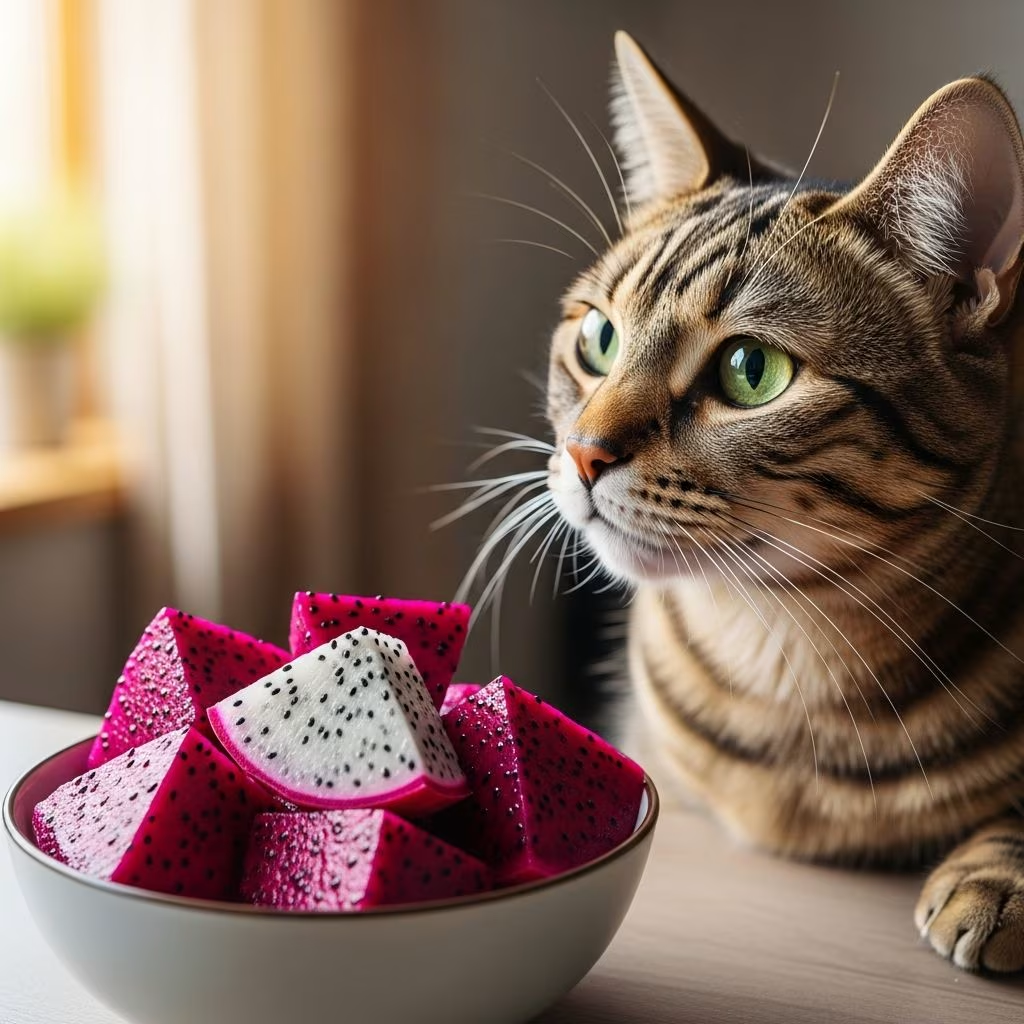
Can Cats Eat Dragon Fruit? A Complete Guide for Pet Owners
Dragon fruit, also known as pitahaya, is an exotic tropical fruit with vibrant pink or yellow skin and sweet white or magenta flesh dotted with tiny black seeds. Many cat owners wonder whether this nutritious fruit is safe for their feline companions. The answer is yes—cats can eat dragon fruit in moderation, as it is non-toxic to felines. However, understanding the proper way to introduce this fruit, appropriate portion sizes, and potential digestive considerations is essential for keeping your cat healthy and happy.
Is Dragon Fruit Safe for Cats?
Dragon fruit is considered non-toxic to cats and dogs, making it safe for occasional consumption. If your curious cat sneaks a small bite of dragon fruit, there is no need for immediate concern. However, the key to safe consumption is moderation. Unlike fruits that are toxic to cats—such as grapes, oranges, and lemons—dragon fruit poses no poisoning risk when offered in appropriate quantities.
The fruit’s non-toxic status means cat owners can safely offer their pets this treat without worry about toxicity. That said, safety extends beyond the absence of poison; it also involves understanding how a cat’s digestive system processes this food and what nutritional role it should play in their diet.
Understanding Your Cat’s Dietary Needs
Cats are obligate carnivores, meaning their bodies are biologically designed to thrive exclusively on meat rather than plant-based foods. Their entire physiology reflects this meat-centric nature. From their razor-sharp teeth specifically designed for tearing flesh to their digestive system optimized for breaking down animal protein and fat, cats are fundamentally different from humans in their nutritional requirements.
Because of their obligate carnivorous status, cats derive the vast majority of their essential nutrients from animal proteins. While fruits and vegetables may offer some vitamins and minerals, they are not necessary for a balanced feline diet. When considering whether to feed dragon fruit or any other fruit to your cat, it’s important to remember that these foods should never replace the high-quality, meat-based nutrition that forms the foundation of your cat’s diet.
Meeting your cat’s specific dietary requirements means providing:
- High-quality animal protein as the primary food source
- Essential amino acids found naturally in meat
- Appropriate fat levels for energy and coat health
- Nutrients tailored to your cat’s life stage (kitten, adult, or senior)
Nutritional Content of Dragon Fruit
Dragon fruit is nutrient-dense and popular as a “superfood” for humans. It contains several vitamins, minerals, and beneficial compounds, including:
- Vitamin C—supports immune function
- Vitamin A—essential for vision and skin health
- Calcium and magnesium—important for bone health
- Potassium—supports heart and muscle function
- Fiber—aids digestive health
- Antioxidants—help fight free radicals and inflammation
- Low levels of phosphorus
- Small amounts of iron, copper, and zinc
Additionally, dragon fruit is low in calories, making it a lighter treat option compared to some commercial cat treats. The flesh is naturally sweet, though cats cannot taste sweetness due to their unique taste receptors, so this quality offers no advantage from a feline perspective.
Health Benefits of Dragon Fruit for Cats
While dragon fruit contains beneficial nutrients, the health advantages for cats are limited compared to the benefits it offers humans. Since cats obtain most essential nutrients from a balanced, meat-based diet, the nutritional contribution of dragon fruit is minimal.
That said, dragon fruit can provide some minor benefits when offered as an occasional treat:
- Vitamin A content—supports vision and maintains healthy skin and coat
- Antioxidants—help reduce oxidative stress in the body
- Low-calorie alternative—provides a healthier treat option than high-calorie commercial treats
- Hydration—the high water content can contribute to fluid intake
- Minerals—small amounts of calcium, magnesium, and potassium support overall wellness
However, it’s crucial to understand that these benefits are modest and should not be considered a reason to regularly include dragon fruit in your cat’s diet. The nutritional requirements specific to cats are best met through complete and balanced commercial cat food formulated by veterinary nutritionists.
Potential Risks and Digestive Concerns
While dragon fruit is non-toxic, it does present certain digestive challenges for cats that must be considered before offering it as a treat.
High Fiber Content
Dragon fruit is high in fiber, which can cause digestive upset if your cat consumes too much. Cats are not adapted to process large amounts of fiber, and excessive fiber intake can lead to:
- Loose stools or diarrhea
- Constipation
- Nausea and vomiting
- General stomach discomfort
This is why portion control is absolutely critical when offering dragon fruit to your feline companion.
Natural Sugar Content
Dragon fruit contains natural sugars that provide little to no nutritional benefit for cats. Excessive sugar intake can contribute to weight gain over time and may increase the risk of dental problems and metabolic issues in cats.
Vitamin A Toxicity Risk
While dragon fruit contains vitamin A, which is essential for cat health, consuming too much vitamin A can lead to toxicity. This means dragon fruit consumption must be limited to prevent potential vitamin A accumulation in your cat’s body.
How to Safely Feed Dragon Fruit to Your Cat
If you decide to offer dragon fruit to your cat, follow these guidelines to ensure safe consumption:
- Peel the fruit completely—remove the tough outer skin, as cats cannot digest it
- Remove all seeds—offer seedless portions to prevent choking hazards
- Cut into tiny pieces—offer only small bites, not large chunks
- Limit frequency—provide dragon fruit only occasionally, not regularly
- Monitor response—watch your cat for any signs of digestive upset after consuming the fruit
- Never substitute meals—ensure dragon fruit never replaces your cat’s regular, balanced diet
Proper Portion Sizes
When feeding dragon fruit to your cat, less is definitely more. The recommended approach is to stick to very small amounts as an occasional treat. A few small bites are all that a cat’s digestive system can tolerate. Think of dragon fruit as an extremely rare indulgence rather than a regular snack.
For most cats, a portion the size of a small dice would be more than adequate. If your cat shows any interest in the fruit, you could offer an even smaller amount to start, observing how their digestive system responds before considering another small offering in the future.
Can Kittens Eat Dragon Fruit?
Kittens should not eat dragon fruit. Young kittens have specialized nutritional needs that differ significantly from adult cats. During their developmental stages, kittens require specific nutrients from mother’s milk or specially formulated kitten formula to support proper growth and development.
Introducing fruits like dragon fruit to kittens can interfere with their ability to absorb the critical nutrients they need and may cause digestive upset in their sensitive, developing systems. Wait until your cat is fully grown before considering any fruit treats, and even then, do so only in moderation and under appropriate circumstances.
Dragon Fruit Varieties: Pink vs. Yellow
Dragon fruit comes in two main varieties: pink-skinned (with white or magenta flesh) and yellow-skinned (with white flesh). Both varieties are safe for cats in small amounts. The nutritional composition is similar between the two types, and the same feeding guidelines apply regardless of which variety you choose.
If offering dragon fruit to your cat, ensure you peel and deseed whichever variety you use, and maintain the same small portion sizes for both pink and yellow varieties.
Fruits to Avoid Feeding Your Cat
Not all fruits are safe for cats. Several fruits are toxic and should never be offered to your feline companion:
- Grapes and raisins—can cause kidney failure
- Citrus fruits (oranges, lemons, limes)—toxic to cats
- Avocado—contains persin, which is toxic to cats
- Cherries—contain harmful compounds
- Plums with pits—the pit is toxic
Always research any new food before introducing it to your cat’s diet, or consult with your veterinarian to ensure safety.
Dragon Fruit as a Healthy Treat Alternative
For cat owners seeking healthier treat options than calorie-dense commercial treats, dragon fruit can serve as an occasional low-calorie alternative when offered in appropriate portions. This may be particularly useful if your cat is overweight or if you’re looking to reduce commercial treat consumption.
However, the best approach to treating your cat involves:
- Offering high-quality commercial treats formulated for cats
- Using small amounts of cooked chicken or turkey as low-calorie treats
- Limiting all treats to no more than 10% of daily caloric intake
- Focusing primarily on complete, balanced cat food as the foundation of nutrition
Do Wild Cats Eat Fruit?
In nature, wild cats rarely eat fruit. As obligate carnivores, wild cats obtain nearly all their nutrition from meat through hunting. While they may occasionally ingest plant matter found in the stomachs of their prey, fruit consumption is not a natural or necessary part of their diet. This reality reinforces that fruit, including dragon fruit, should be considered an occasional novelty rather than an important dietary component for domestic cats.
Consulting Your Veterinarian
Before introducing any new food to your cat’s diet—including dragon fruit—consult with your veterinarian. Your vet can provide personalized guidance based on your individual cat’s age, health status, weight, and dietary needs. This is especially important if your cat has any pre-existing health conditions, digestive sensitivities, or is on a prescription diet.
Your veterinarian can help you determine whether dragon fruit is an appropriate occasional treat for your specific cat and can advise on portion sizes and frequency based on your cat’s unique situation.
Frequently Asked Questions
Q: Is dragon fruit poisonous to cats?
A: No, dragon fruit is not poisonous to cats. It is non-toxic and safe for cats to eat in small, moderated amounts. There is no need to panic if your cat accidentally ingests a small piece.
Q: Can cats have dragon fruit every day?
A: No, dragon fruit should not be offered daily to cats. It should only be provided occasionally as a rare treat due to its fiber content and natural sugars, which can cause digestive issues if consumed frequently.
Q: How much dragon fruit can I feed my cat?
A: Stick to very small amounts—just a few tiny bites as an occasional treat. The fruit should be peeled, deseeded, and offered in small pieces. This is not meant to be a regular part of your cat’s diet.
Q: What are the signs that dragon fruit upset my cat’s stomach?
A: Watch for loose stools, diarrhea, vomiting, nausea, constipation, or general lethargy. If your cat shows any of these signs after eating dragon fruit, avoid offering it again and contact your veterinarian if symptoms persist.
Q: Can I give my kitten dragon fruit?
A: No, kittens should not eat dragon fruit. Young kittens have specialized nutritional needs and should only consume mother’s milk or specially formulated kitten food during their developmental stages.
Q: Are there fruits I should avoid feeding my cat?
A: Yes, several fruits are toxic to cats and should never be offered, including grapes, raisins, citrus fruits, avocado, cherries, and plums with pits. Always research or consult with your veterinarian before sharing new foods with your cat.
Q: Can cats eat yellow dragon fruit?
A: Yes, yellow dragon fruit is safe for cats in small amounts, just like pink dragon fruit. Both varieties should be peeled, deseeded, and offered only in tiny portions as an occasional treat.
Q: Should dragon fruit replace my cat’s regular diet?
A: Absolutely not. Dragon fruit should never substitute your cat’s balanced, meat-based diet. Cats require high-quality animal protein and specific nutrients found in complete cat food formulated for their obligate carnivore needs.
Conclusion: Dragon Fruit Is Safe but Not Essential
Dragon fruit is a non-toxic fruit that cats can safely consume in moderation, making it an option for cat owners seeking occasional treat variety. However, it is important to remember that this exotic fruit is not necessary for your cat’s health and offers minimal nutritional benefit compared to a balanced, meat-based diet.
Cats are obligate carnivores whose nutritional requirements are best met through high-quality commercial cat food and the occasional treat of cooked meat. If you choose to offer dragon fruit to your cat, do so only occasionally, in very small amounts, after proper preparation (peeling and deseeding), and with close monitoring for any digestive upset.
The most important aspect of cat nutrition is ensuring your feline companion receives complete and balanced meals appropriate for their life stage and health status. Use dragon fruit only as a rare, tiny treat, and always consult with your veterinarian before introducing any new foods to your cat’s diet to ensure their continued health and well-being.
References
- Can Cats Eat Dragon Fruit? — NextGen Paws. Accessed January 14, 2026. https://nextgenpaws.pet/blogs/news/can-cats-eat-dragon-fruit
- Can Cats Eat Dragon Fruit? Safely Feed Your Cat — Nord Exotic. Accessed January 14, 2026. https://nordexotic.com/blog/can-cats-eat-dragon-fruit-safely-feed-your-cat
- Can Cats Eat Dragon Fruit? Safe Feeding Tips for Pet Owners — BasePaws. Accessed January 14, 2026. https://basepaws.com/blog/can-cats-eat-dragon-fruit
- What Fruits Can Cats Eat? 19 Fruits Safe for Cats — PetMD. Accessed January 14, 2026. https://www.petmd.com/cat/nutrition/which-fruits-can-cats-eat
- 16 Fruits & Vegetables That Cats Can Eat: Vet-Reviewed Facts & Tips — Catster. Accessed January 14, 2026. https://www.catster.com/nutrition/fruits-and-vegetables-cats-can-eat/



