

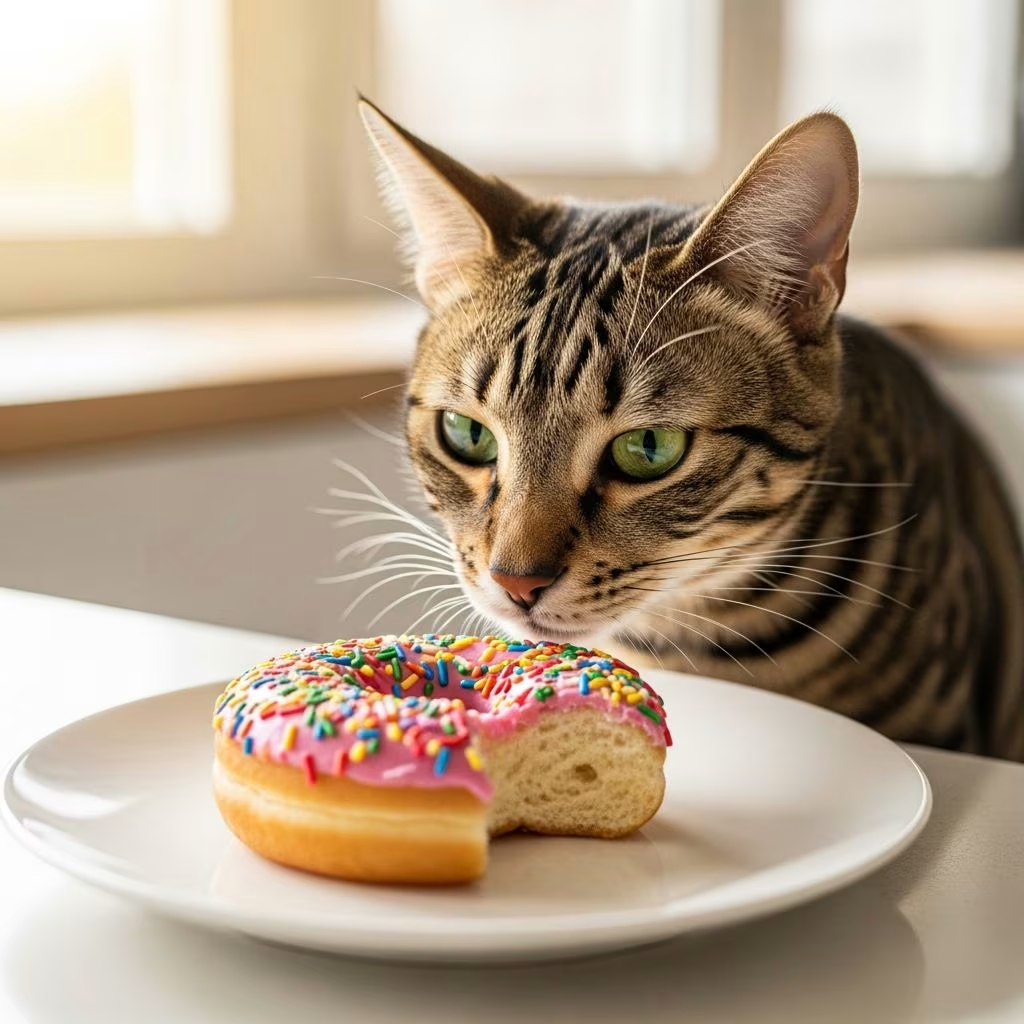
Can Cats Eat Donuts? A Complete Safety Guide
Donuts are a beloved treat for humans, but if you’re a cat owner, you may have wondered whether it’s safe to share this sugary indulgence with your feline companion. The straightforward answer is no—cats should not eat donuts. While a tiny nibble of a plain donut is unlikely to cause immediate harm, these pastries are far from a safe or healthy snack for your cat. Understanding why donuts pose risks to feline health is essential for protecting your pet.
What Are Donuts Made Of?
To understand why donuts are problematic for cats, it helps to know what goes into making them. Donuts are typically made from a combination of flour, sugar, butter, eggs, and sometimes milk. They are either fried or baked and often topped with glazes, frosting, sprinkles, or fillings such as jam or chocolate.
While these ingredients create delicious treats for human consumption, they can pose serious nutritional and health risks to cats. Cats are obligate carnivores, meaning their bodies are specifically designed to digest and thrive on animal-based proteins. They have no biological need for sugary, carbohydrate-rich foods like donuts, and their digestive systems are not equipped to process these items safely.
Why Donuts Are Unsafe for Cats
Several factors make donuts dangerous for feline health. Understanding these risks can help you make informed decisions about what to feed your cat and why prevention is crucial.
High Sugar Content
One of the primary concerns with donuts is their exceptionally high sugar content. A typical donut contains between 15 to 30 grams of sugar, depending on the type. Cats cannot properly digest sugar, as it is not a natural part of their diet. When cats consume sugary foods, their bodies lack the metabolic pathways to process them efficiently, leading to various health complications.
This can result in obesity, diabetes, and dental problems. For cats, excess sugar consumption increases the risk of developing feline diabetes, a serious condition that requires ongoing management and can significantly impact quality of life.
Harmful and Toxic Ingredients
Beyond sugar, many donuts contain ingredients that are directly toxic to cats. These include:
- Chocolate: Toxic to cats and can cause severe health problems or death
- Xylitol: An artificial sweetener that can cause liver failure and hypoglycemia in cats
- Raisins: Can cause kidney failure in felines
- Cinnamon and nutmeg: Found in flavored donuts like pumpkin spice varieties; dangerous in larger amounts
Even small amounts of these toxic ingredients can cause severe health problems, such as kidney failure or seizures. This makes flavored and filled donuts particularly dangerous compared to plain varieties.
Digestive Issues from High Fat Content
Donuts are typically fried in oil or high-fat substances, which can upset your cat’s digestive system. The excessive fat and oils can lead to vomiting, diarrhea, or even pancreatitis. Pancreatitis is an inflammation of the pancreas that can be painful and require veterinary treatment.
Lactose Intolerance
Many donuts contain milk, cream, or dairy-based toppings. Most adult cats are lactose intolerant, meaning they lack sufficient lactase enzyme to digest dairy products. If your cat consumes a donut containing milk or cream, it could trigger digestive upset including cramping, vomiting, or diarrhea.
Lack of Nutritional Value
Even if a plain donut doesn’t contain toxic ingredients, it provides empty calories with no nutritional benefit to your cat. These void calories contribute to long-term health issues without offering any of the essential proteins, taurine, or other nutrients cats require for optimal health.
Safety Comparison: Types of Donuts
While no donut is truly safe for cats, some types pose greater risks than others:
| Donut Type | Risk Level | Primary Concerns |
|---|---|---|
| Plain donuts | Low-Moderate | Sugar and fat content; generally safer than alternatives |
| Glazed donuts | High | Extremely high sugar from glaze and coating |
| Filled donuts (jam, cream) | High | Additional sugar from fillings; potential lactose issues |
| Chocolate donuts | Very High | Chocolate toxicity; potentially life-threatening |
| Flavored donuts (pumpkin spice, cinnamon) | High | Toxic spices like cinnamon and nutmeg |
Why Cats Are Attracted to Donuts
Despite donuts being unsuitable for cats, many feline friends show interest in them. This isn’t because cats have a sweet tooth—unlike humans, cats cannot taste sweetness. Instead, cats may be attracted to donuts for other reasons:
- Smell: The aroma of fried pastries can intrigue curious cats
- Oil and fat: Cats are drawn to rich, savory flavors from the cooking oils and butter used in donuts
- Texture: Some cats enjoy exploring the texture of new foods
- Curiosity: Cats are naturally inquisitive about foods their owners are consuming
Understanding this distinction is important: your cat’s interest in your donut doesn’t mean it’s safe or appropriate to share. It’s your responsibility as a pet owner to keep donuts and other human snacks out of reach to prevent accidental ingestion.
Symptoms to Watch For If Your Cat Eats a Donut
If your cat manages to consume a donut, it’s important to monitor them closely for signs of distress. Symptoms will vary depending on the type and amount of donut consumed, but common warning signs include:
- Vomiting or diarrhea
- Lethargy or weakness
- Excessive thirst or urination
- Tremors or seizures (if toxic ingredients like chocolate or xylitol were consumed)
- Loss of appetite
- Abdominal pain or distension
In many cases, if your cat ate only a small amount of plain donut, mild vomiting and diarrhea may be the only symptoms, as the cat’s body attempts to rid itself of something it cannot properly digest. However, any signs of distress warrant careful monitoring and veterinary consultation.
What to Do If Your Cat Eats a Donut
If you catch your cat snacking on a donut, follow these important steps:
Step 1: Remove the Donut
Take away any remaining donut pieces to prevent further consumption. This is your first priority to limit exposure.
Step 2: Check the Ingredients
Determine if the donut contains toxic ingredients like chocolate, xylitol, raisins, or dangerous spices. If it does, contact your veterinarian or a pet poison control hotline immediately. This information will help your vet provide appropriate treatment.
Step 3: Observe Your Cat Closely
Monitor their behavior for any signs of distress or illness. Even if the donut was plain, watch carefully for symptoms like vomiting, diarrhea, lethargy, or changes in appetite. Keep detailed notes of any symptoms and when they occurred.
Step 4: Contact Your Veterinarian
When in doubt, consult your veterinarian for guidance. They can provide specific advice based on your cat’s size, health status, and the type of donut consumed. It’s always better to err on the side of caution when it comes to your cat’s health. Many veterinary clinics can also provide advice over the phone if you need immediate guidance.
Healthy Treat Alternatives for Your Cat
Rather than offering donuts or other human foods, consider these cat-appropriate treats:
- Commercial cat treats formulated for feline nutrition
- Small pieces of cooked chicken or turkey
- Cat-safe fruits like small amounts of watermelon or blueberries
- Specially formulated cat snacks approved by veterinarians
- Interactive treat toys that provide both mental stimulation and nutrition
Frequently Asked Questions (FAQs)
Q: Can a small bite of donut harm my cat?
A: A tiny nibble of plain donut is unlikely to cause serious harm, but it’s still not recommended. Always watch for symptoms and consult your vet if you’re concerned. Prevention is the best approach.
Q: Are glazed donuts safe for cats?
A: No, glazed donuts contain high amounts of sugar and may have harmful ingredients like xylitol. They should never be given to cats, as the glaze alone significantly increases the sugar content.
Q: What should I do if my cat eats a chocolate donut?
A: Chocolate is toxic to cats. Contact your vet or a pet poison control hotline immediately for advice. Chocolate toxicity can be serious, so time is important.
Q: Can cats eat donuts without frosting?
A: Even plain donuts are unhealthy for cats due to their high sugar and fat content. Avoid feeding them to your cat entirely.
Q: Why is my cat interested in donuts if cats can’t taste sweetness?
A: Cats are attracted to the smell of fried oil and butter, not the sweet flavor. They may also be curious about foods their owners are eating. This curiosity doesn’t indicate the food is safe.
Q: What if my cat ate a whole donut?
A: Contact your veterinarian immediately, especially if the donut contained toxic ingredients. Provide details about the type of donut and when it was consumed so your vet can advise appropriate treatment.
References
- Can Cats Eat Donuts? Risks and Safety Concerns — Dial A Vet. 2024. https://www.dialavet.com/blog/can-cats-eat-donuts
- Can Cats Eat Donuts? Nutritional Facts & Safety Guide — Hepper. 2024. https://articles.hepper.com/can-cats-eat-donuts/
- Can My Pets Eat Donuts? Everything You Need to Know — Shipley Donuts. https://myshipleydonuts.com/can-my-pets-eat-donuts



