

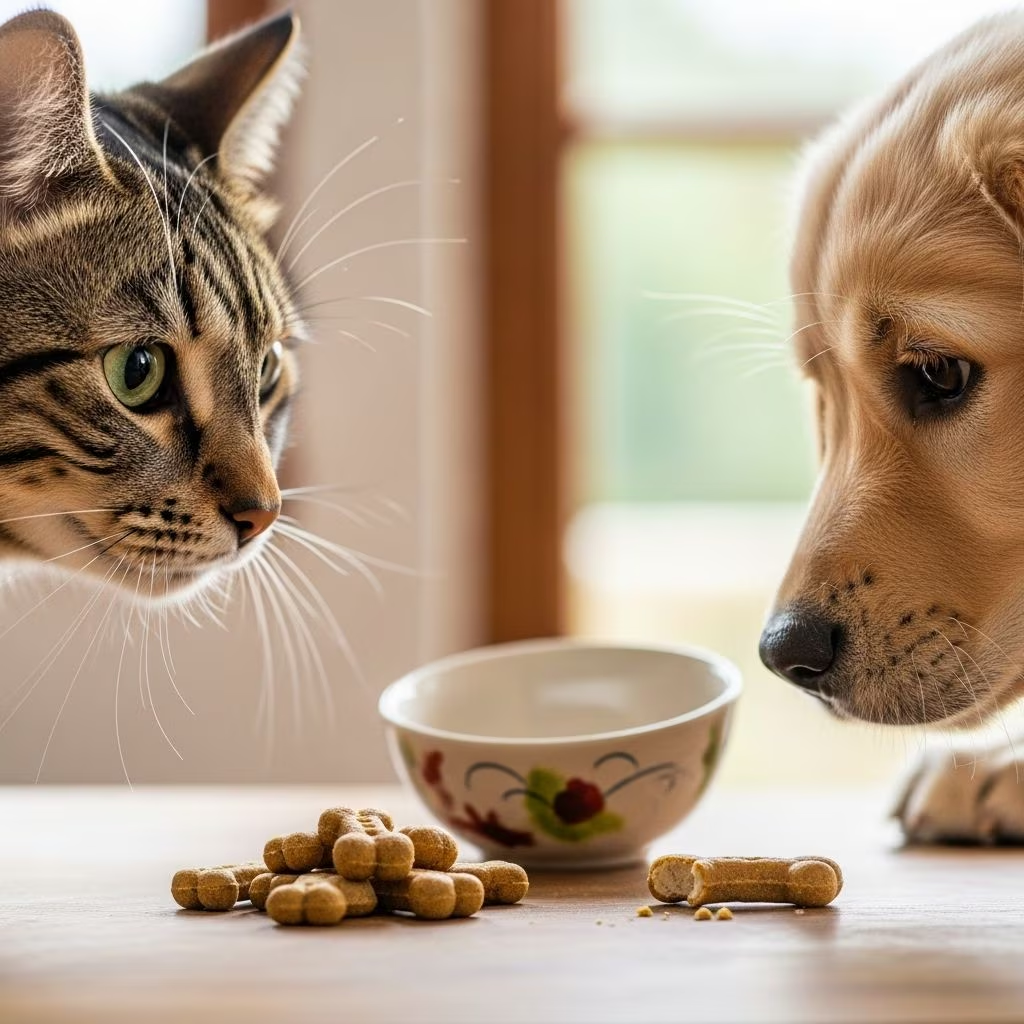
Can Cats Eat Dog Treats? A Complete Guide to Feline Safety
If your cat has accidentally gotten into your dog’s treat stash, there’s no need to panic. In most cases, it’s safe for your cat to eat a dog treat occasionally. However, making a habit of feeding your cat dog treats can lead to serious health complications over time. The key is understanding why cats and dogs have different nutritional needs and which ingredients in dog treats might pose a risk to your feline companion.
Understanding Nutritional Differences Between Cats and Dogs
The fundamental reason cats shouldn’t regularly eat dog treats comes down to basic biology. Cats are obligate carnivores, meaning they require specific nutrients that only meat-based sources can provide. Dogs, on the other hand, are omnivores and can digest a wider variety of food sources.
One critical nutrient that highlights this difference is taurine. Taurine is an essential amino acid that cats must obtain from their diet. This nutrient is crucial for maintaining healthy vision, heart function, and immune system health in cats. Unlike dogs, cats cannot synthesize taurine from plant-based sources, making meat-based proteins non-negotiable for feline health.
Dog treats are often formulated to cater to the omnivorous canine diet, which means they typically contain higher levels of carbohydrates and plant-based ingredients. Cat digestive systems lack the specific enzymes needed to effectively break down complex carbohydrates, making these ingredients problematic for feline consumption.
Key Risks of Cats Eating Dog Treats
While an occasional dog treat won’t cause immediate harm, regular consumption can lead to several health problems. Understanding these risks helps you make informed decisions about your cat’s diet.
Nutritional Deficiencies
Dog treats lack essential cat nutrients like taurine, which can cause serious deficiencies if your cat exclusively eats them. Over time, nutritional deficiencies can weaken your cat’s muscles, coat, and eyesight. Since cat bodies won’t absorb much of the content in dog treats, they’ll receive much less benefit than they would from treats specifically formulated for felines.
Digestive Upset
Cats with sensitive stomachs are particularly vulnerable to the effects of dog treats. The extra carbohydrates and protein in dog treats can cause your cat to experience:
- Nausea
- Fatigue
- Diarrhea
- Appetite loss
- Vomiting
- Loose stools
- Upset stomach
If a dog eats a large quantity of cat treats, they may experience significant gastrointestinal distress due to too much protein and fat. The same principle applies in reverse—cats’ digestive systems aren’t designed to process the carbohydrate-heavy composition of dog treats.
Obesity and Weight Gain
Dog treats contain more fats and carbs than cat treats, making them a significant contributor to weight gain. Cat treats usually have higher calories than those designed for dogs, which can lead to weight gain if consumed too often. This added weight contributes to obesity and can worsen existing health issues, such as joint problems, heart disease, and diabetes.
Extra carbs in dog treats can cause your cat to pack on the pounds—a particularly serious problem if your kitty already tends toward being overweight. Regular consumption of treats with these ingredients could lead to itching, skin irritation, and ear infections, further compromising your cat’s health.
Toxicity Concerns
Perhaps the most concerning risk involves toxic ingredients. Propylene glycol is a moistening agent found in some semi-moist dog treats that can be toxic to cats if consumed in large quantities. Pup-Peroni is one popular dog treat brand that contains this additive. While the occasional dog biscuit poses minimal risk, semi-moist dog treats with higher moisture content probably contain propylene glycol.
If your cat eats a dog treat containing toxic ingredients, you should contact your vet immediately. Although small amounts don’t always present an emergency, it’s better to be safe than sorry. Your veterinarian will be able to provide you with the best course of action to take.
Dental Issues
Dog treats may be too hard for your cat’s teeth to break down, as cats lack the grinding molars that dogs possess. Sometimes dog biscuits can be helpful for dental health, but often they’re not appropriate for feline teeth. Dog biscuits may be larger and harder than standard cat treats, so they might not be healthy for feline teeth. Furthermore, biscuits designed for specific dental benefits should be formulated specifically for your cat’s needs to ensure they’re effective and safe.
Choking Hazards
Certain dog treats present serious choking risks for cats. Bully sticks, for example, although not toxic to cats, should only be given to dogs. For cats, bully sticks are a choking hazard. Heat-dried treats have a high likelihood of splintering, which could pierce or get lodged in your pet’s throat or digestive system.
What Should You Do If Your Cat Eats Dog Treats?
The good news is that a single incident of your cat eating a dog treat is rarely cause for serious concern. In short, nothing much will happen unless your kitty sports an exceptionally sensitive stomach. However, you should monitor your cat’s behavior carefully.
If you notice any troubling signs such as vomiting or listlessness, you may want to contact your vet. Simply keep a close eye on your cat for the next 24-48 hours. If your cat experiences digestive upset or other symptoms, your veterinarian can provide guidance on treatment options.
Can Cats Eat Dog Food Regularly?
The same principles that apply to dog treats extend to dog food. Your cat definitely shouldn’t eat dog food regularly. While a one-off occurrence is likely fine, it shouldn’t become a regular thing. Dog food usually has less protein than cats need and doesn’t contain taurine, which is essential for healthy feline development.
That said, a mouthful out of your dog’s bowl won’t cause any immediate harm. Just make sure it doesn’t become a regular thing because it could lead to serious nutritional deficiencies and weight gain. Over time, eating dog food could cause your cat to suffer a vitamin A deficiency, which can weaken their muscles, coat, and eyesight.
Best Practices for Treating Your Cat
Rather than risking your cat’s health with dog treats, opt for high-protein cat treats that contain taurine and other nutrients tailor-formulated for feline bodies. The best course of action is to keep treats species-specific.
When selecting treats for your cat, look for options that:
- Contain high levels of animal-based protein
- Include essential amino acids like taurine
- Are specifically formulated for cats
- Avoid toxic additives like propylene glycol
- Match your cat’s dietary requirements
- Support dental health without being too hard
Some manufacturers offer treats formulated to be safe for both cats and dogs, eliminating the typical risks associated with feeding cats dog treats. However, you should verify that these products meet feline nutritional standards before offering them to your cat.
Understanding Pet Treat Guidelines
Beyond choosing the right type of treat, it’s important to understand how much you should be feeding your cat. There can be serious health risks if your pet becomes overweight from eating too many treats. Overweight cats can have a higher incidence of arthritis pain and diabetes.
As a general rule, treats should make up no more than 10% of your cat’s daily caloric intake. The remaining 90% should come from a balanced, species-appropriate diet. This helps prevent obesity and nutritional imbalances while still allowing you to enjoy rewarding your cat with occasional treats.
Frequently Asked Questions (FAQs)
Q: Is it okay if my cat eats a dog treat just once?
A: Yes, a single dog treat is generally safe for most cats. However, monitor your cat for any signs of digestive upset or unusual behavior over the next 24-48 hours. Unless your cat has an exceptionally sensitive stomach, they’ll likely be fine.
Q: What ingredients in dog treats are toxic to cats?
A: The primary concern is propylene glycol, a moistening agent found in some semi-moist dog treats. This additive can be toxic to cats if consumed in significant quantities. If your cat eats a treat containing toxic ingredients, contact your veterinarian immediately.
Q: Can cats eat dog biscuits?
A: As long as the ingredients are safe, your cat can eat dog biscuits without much worry. However, it’s probably better to avoid making it a regular practice. Dog biscuits may be too hard for your cat’s teeth and aren’t formulated specifically for feline dental health.
Q: Why can’t cats digest carbohydrates like dogs can?
A: Cats’ digestive systems lack specific enzymes needed to break down complex carbohydrates effectively. As obligate carnivores, their bodies are designed to process meat-based proteins, not plant-based carbohydrates. This is why high-carbohydrate dog treats can cause digestive upset in cats.
Q: What should I do if my cat accidentally eats dog food?
A: Don’t panic. A small amount of dog food won’t cause immediate harm. However, monitor your cat for any signs of illness or digestive upset. If problems develop or your cat regularly consumes dog food, consult your veterinarian about potential nutritional deficiencies.
Q: Are there dog treats that are safe for cats?
A: Some manufacturers offer treats formulated to be safe for both cats and dogs. These treats are designed to meet the nutritional needs of both species. However, always verify the ingredient list and consult your veterinarian to ensure the product meets your cat’s specific nutritional requirements.
Conclusion: Prioritizing Your Cat’s Health
It’s not a big deal if your cat eats a dog treat once in a blue moon, but they shouldn’t make a habit of it. In the long term, regular consumption could lead to obesity or severe nutritional deficiencies. Additionally, make sure there are no toxic ingredients like propylene glycol included in any treats you offer your cat.
The best approach is to keep your kitty focused on their own grub and provide cat treats designed specifically for them. By understanding the nutritional differences between cats and dogs and making informed choices about treat selection, you can help ensure your feline companion enjoys a long, healthy life. When in doubt, consult with your veterinarian about appropriate treat options and serving sizes for your individual cat.
References
- Can You Give Dogs Cat Treats? A Guide On Safe Treats For Dogs — Coops and Cages. https://www.coopsandcages.com.au/blog/can-you-give-dogs-cat-treats/
- Can Cats Eat Dog Treats? Vet-Approved Nutrition Facts & FAQ — Catster. https://www.catster.com/nutrition/can-cats-eat-dog-treats/
- Can Cats Eat Dog Treats Safely? — Darwin’s Natural Pet Products. https://www.darwinspet.com/blogs/resources/can-cats-eat-dog-treats
- Can My Cat Eat Dog Treats? — Freeze Dry Australia. https://www.freezedryaustralia.com/cats/can-my-cat-eat-dog-treats/
- Can cats eat dog food & what should I feed my cat? — Vets Now. https://www.vets-now.com/pet-care-advice/can-cats-eat-dog-food-and-what-should-i-feed-my-cat/
- Treats for Pets: When Are They Too Much? — Zoetis Petcare. https://www.zoetispetcare.com/blog/article/treats-pets-too-much



