

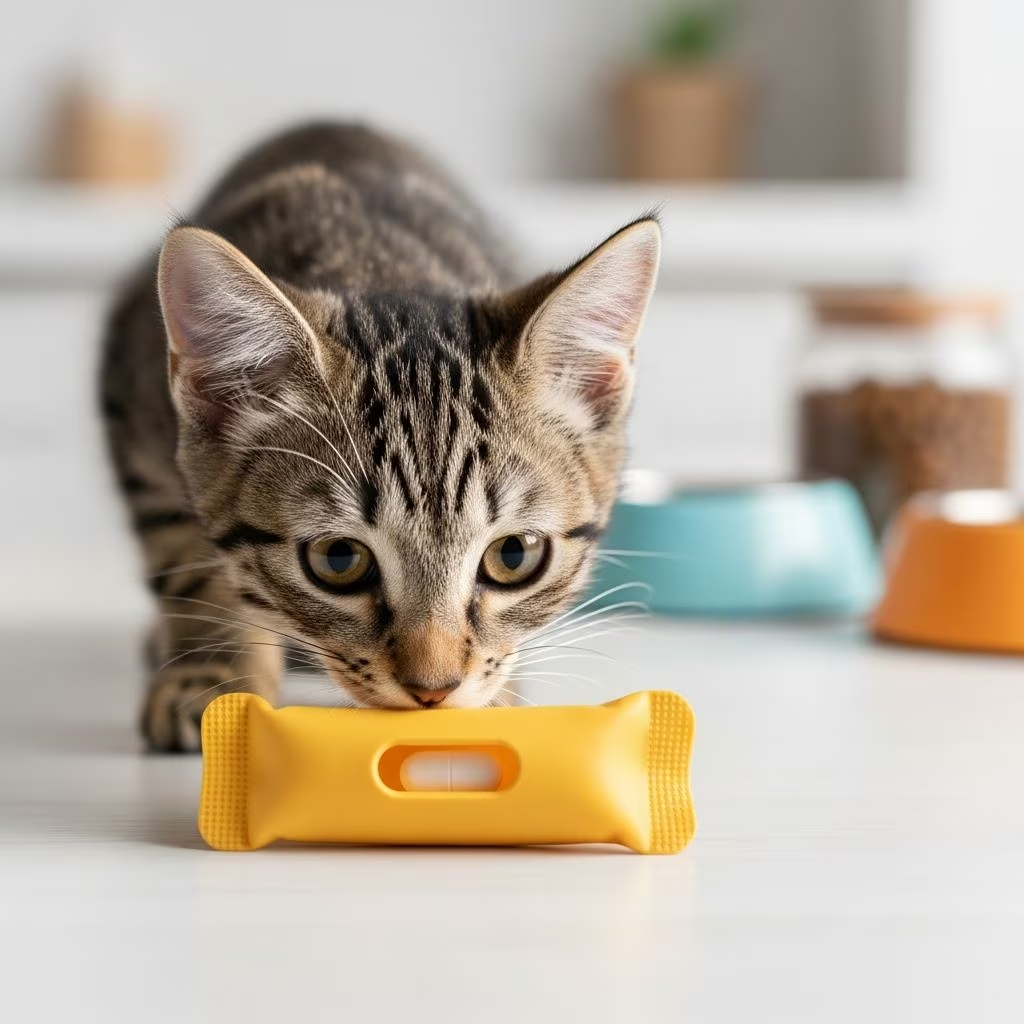
Can Cats Eat Dog Pill Pockets? A Complete Safety Guide
Administering medication to a cat can be one of the most challenging aspects of pet ownership. While some feline medications come in liquid form, many do not, leaving cat owners searching for creative solutions to ensure their pets take their prescribed pills. Pill pockets—specially designed treats with a hollow center perfect for concealing medications—have become a popular choice for pet owners. However, if you only have dog pill pockets on hand, you might be wondering whether they’re safe for your feline companion.
The straightforward answer is that dog pill pockets probably won’t harm your cat if given infrequently, but it’s always best to consult with your veterinarian about the specific product before offering it to your pet. In this comprehensive guide, we’ll explore the differences between dog and cat pill pockets, discuss potential concerns, and review alternative methods for administering medication to your cat.
Understanding Pill Pockets: Purpose and Design
Pill pockets are specialized treats designed to make medication administration easier for both pets and their owners. These treats feature a convenient hollow center that allows medications to be safely hidden inside, encouraging pets to consume the pill without resistance. The concept is straightforward: your cat receives their necessary medication while enjoying a tasty treat, and you avoid the stress of struggling to force a pill down your pet’s throat.
However, not all pill pockets are created equal. Different formulations exist for dogs and cats, each tailored to the specific nutritional needs and taste preferences of their respective species. Understanding these differences is crucial when deciding whether dog pill pockets are appropriate for your feline friend.
Key Differences Between Dog and Cat Pill Pockets
Size Considerations
The most immediately obvious difference between dog and cat pill pockets is their size. Dog pill pockets are significantly larger than their feline counterparts, which can present several challenges when trying to medicate a cat.
When your cat encounters a large dog pill pocket, they will likely need to chew it rather than swallow it whole. This chewing action creates a meaningful risk that your cat might bite directly into the medication itself, exposing them to the pill’s taste. Since most medications taste unpleasant, even a single negative experience could cause your cat to reject pill pockets entirely in future medication attempts. This resistance can make ongoing treatment significantly more difficult.
Caloric Content and Weight Management
Another critical difference lies in the caloric content of dog versus cat pill pockets. Dog pill pockets typically contain more calories than cat-specific versions. For example, comparing Greenies brand products, the dog version contains approximately 10 kilocalories per treat, while the cat version contains only 4 kilocalories.
For cats requiring short-term medication, this calorie difference may be negligible. However, for cats on long-term or lifelong medications, the additional calories from dog pill pockets can accumulate and potentially contribute to unhealthy weight gain over time. Given that obesity is a growing concern in domestic cats and can exacerbate various health conditions, this consideration deserves attention.
Ingredient Analysis and Allergen Concerns
While dog and cat pill pockets often share similar base ingredients, subtle but important differences exist. When examining the ingredient lists of chicken-flavored pill pockets, the cat version typically includes pieces of dried chicken liver, which enhances palatability for felines.
More significantly, different flavors of dog pill pockets may contain ingredients that aren’t ideal for cats. For instance, cheese-flavored dog pill pockets contain dairy products. Many cats are lactose intolerant, meaning they lack sufficient lactase enzyme to properly digest milk and dairy products. Consuming dairy-based treats can result in gastrointestinal upset, including diarrhea and vomiting.
Additionally, since all dog treats—including pill pockets—are formulated specifically for canine nutritional requirements and preferences, there’s always a possibility they contain ingredients that are safe and beneficial for dogs but potentially problematic for cats. This is why veterinary approval is essential before offering any dog product to your feline companion.
Safety Considerations and Potential Risks
Short-Term Consumption
If your cat accidentally consumes a single dog pill pocket or you offer one occasionally, the risk of serious harm is minimal. Pill pockets are not toxic to cats and won’t cause immediate danger in small quantities.
Excessive Consumption
However, if your cat eats multiple dog pill pockets at once, they may experience gastrointestinal upset. Consuming many pill pockets could lead to an upset stomach or diarrhea. This occurs because the sudden introduction of a large quantity of treats—designed for a larger animal—can overwhelm your cat’s digestive system.
How to Safely Give Dog Pill Pockets to Your Cat
If you’ve determined with your veterinarian’s approval that dog pill pockets are acceptable for your specific cat, follow these guidelines to minimize potential issues:
- Confirm ingredients with your vet: Before offering any dog product to your cat, have your veterinarian review the ingredient list to ensure nothing is harmful to felines.
- Use partial portions: Rather than offering the entire dog pill pocket, break off only the amount needed to cover the medication. This smaller morsel is more appropriate for a cat’s mouth and reduces the calories they consume.
- Monitor closely: Watch your cat carefully after administering the pill pocket to ensure they swallow it rather than spitting it out. Observe them for at least 15-20 minutes after administration.
- Check for adverse reactions: Note any signs of gastrointestinal upset, loss of appetite, or behavioral changes in the hours following administration.
Alternative Methods for Administering Cat Medication
Using Cat-Specific Pill Pockets
The safest option is investing in pill pockets specifically formulated for cats. These are designed with feline nutritional requirements and taste preferences in mind, eliminating the guesswork about ingredient safety. Cat-specific pill pockets are appropriately sized and calorie-controlled for feline metabolism.
Hiding Pills in Preferred Foods
If your cat doesn’t enjoy pill pockets, you can attempt to hide the medication in foods you know your cat loves. Effective options include:
- Tuna or tuna juice
- Cooked chicken or turkey
- Lean deli meat
- Cream cheese (if your cat tolerates dairy)
- Canned cat food (particularly useful for cats on dry food diets)
The key to this method is using a small amount of food—just enough to cover the pill. A large portion increases the likelihood your cat will detect and reject the medication. Additionally, avoid crushing pills or opening capsules into food, as this typically releases unpleasant tastes that will cause your cat to reject the entire offering.
Manual Pilling Technique
Some cats flatly refuse to consume medication in any food or treat, requiring manual administration. While this technique is more challenging, it’s often successful. The process involves carefully placing the pill in the back of your cat’s mouth to trigger the swallowing reflex. Your veterinarian’s staff can demonstrate proper technique, as they handle this request regularly and can ensure you’re doing it correctly and safely.
Liquid Medication Alternatives
If your cat struggles with pills, ask your veterinarian whether the medication is available in liquid form. Some cats tolerate liquid medications significantly better than pills. Additionally, many medications can be specially compounded into liquid formulas with palatable flavoring, such as tuna or chicken.
When to Seek Veterinary Assistance
Medication administration can be stressful for both you and your cat. Your veterinary team exists to support you through this process and can:
- Recommend the safest medication delivery method for your specific cat
- Demonstrate proper pilling techniques
- Explore alternative medication formulations
- Discuss prescription modifications if certain types prove impossible to administer
- Review ingredient lists of any treats or foods you’re considering
Don’t hesitate to discuss these concerns with your vet. They understand that medications won’t benefit your cat if you can’t successfully get them to take them, and they’re committed to finding solutions that work for your household.
Making Medication Time Easier
Successfully medicating your cat requires patience, planning, and often some creativity. Whether you’re managing a short-term illness or a lifelong condition, establishing a reliable medication routine improves compliance and your cat’s health outcomes. While dog pill pockets can work in a pinch under veterinary guidance, investing in cat-specific alternatives or exploring other delivery methods provides greater peace of mind and typically better results.
Remember that your cat’s safety and well-being are paramount. When in doubt, consult with your veterinarian before introducing any new products or methods into your medication administration routine.
Frequently Asked Questions
Q: Are dog pill pockets toxic to cats?
A: Dog pill pockets are not inherently toxic to cats when consumed in small amounts. However, they may contain ingredients that aren’t ideal for felines, such as dairy products or other dog-specific formulations. Always consult with your veterinarian before offering dog products to your cat.
Q: What happens if my cat eats too many dog pill pockets?
A: Consuming multiple dog pill pockets at once could lead to gastrointestinal upset, including an upset stomach or diarrhea, due to the larger serving size designed for dogs.
Q: Can I break apart a dog pill pocket to give to my cat?
A: Yes, breaking off a smaller portion of a dog pill pocket can make it more appropriate for your cat’s size and reduce caloric intake. However, use only cat-specific pill pockets when possible.
Q: What are the best alternatives to pill pockets for medicating cats?
A: Effective alternatives include hiding pills in tuna, cooked chicken, cream cheese, or canned cat food. For cats that reject all food-based methods, manual pilling or liquid medication formulations may be necessary.
Q: Should I crush my cat’s pill to make it easier to take?
A: No, crushing pills or opening capsules typically releases unpleasant tastes that cause cats to reject the entire offering. Always consult with your veterinarian before modifying medication form.
Q: How often can I safely give my cat dog pill pockets?
A: While occasional use probably won’t harm your cat, regular use isn’t recommended due to ingredient and caloric differences. Opt for cat-specific pill pockets or veterinary-approved alternatives for long-term medication needs.
References
- Can Cats Eat Dog Pill Pockets? Nutritional Facts & Safety Guide — Hepper. 2024. https://articles.hepper.com/can-cats-eat-dog-pill-pockets/
- Is it safe if my cat eats too many pill pockets? — Dial A Vet. 2024. https://www.dialavet.com/vet-answers/cat-eaten-pill-pockets-22076
- Giving Pills to Cats — VCA Animal Hospitals. 2024. https://vcahospitals.com/know-your-pet/giving-pills-to-cats
- Medicating Picky Eaters — ASPCApro. 2024. https://www.aspcapro.org/resource/medicating-picky-eaters



