

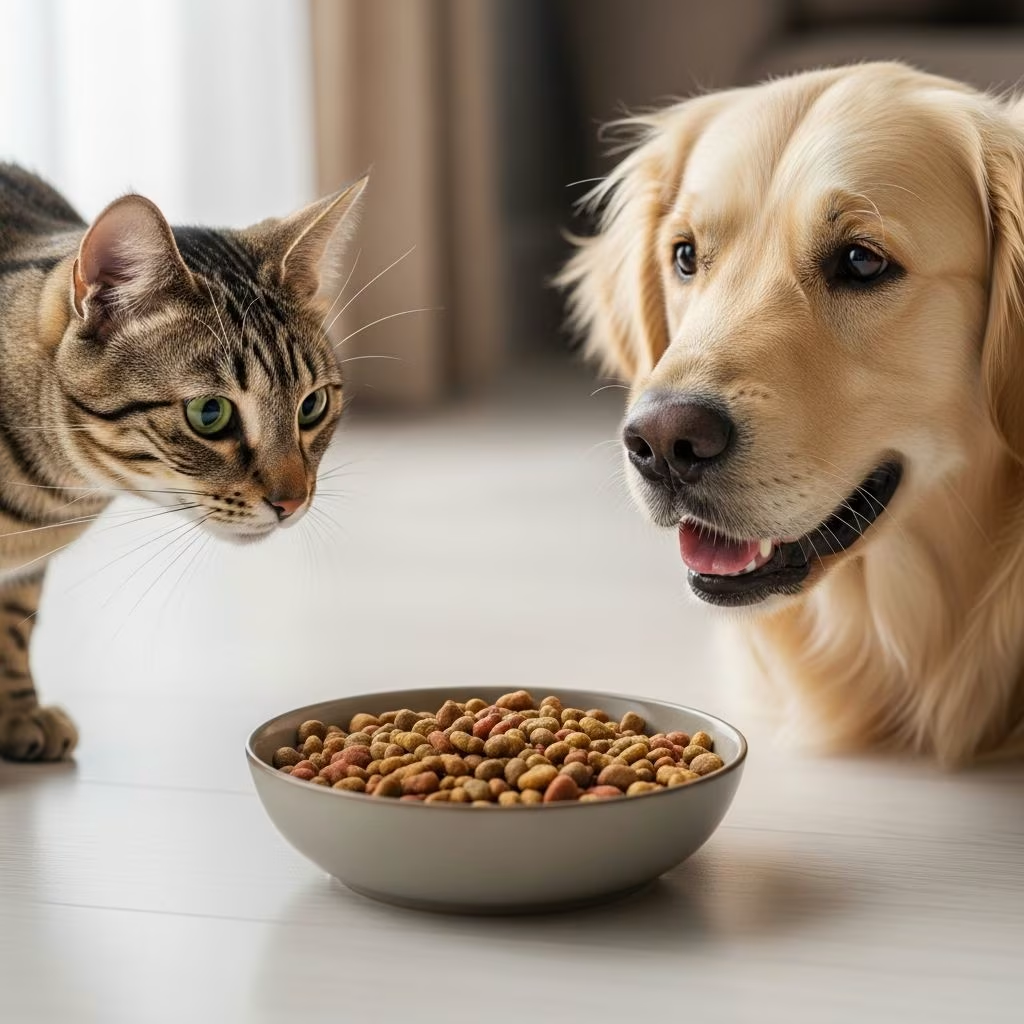
Can Cats Eat Dog Food? Understanding the Basics
Many pet owners share homes with both cats and dogs, and it’s common for cats to sneak bites of their canine companion’s food bowl. If you’ve caught your feline friend nibbling on dog food, you might wonder whether this is truly a cause for concern. The short answer is straightforward: while occasional consumption of dog food won’t cause immediate harm to your cat, feeding it regularly can lead to serious nutritional deficiencies and health problems.
Because dog food isn’t toxic to cats, there are no real concerns in the short term if a cat eats dog food. A few kibbles or a small taste won’t cause lasting damage. However, the fundamental issue lies not in toxicity but in nutritional compatibility. Dogs and cats have evolved with vastly different dietary needs, and these differences are reflected in their respective food formulations. Understanding these distinctions is essential for any pet owner who wants to maintain their cat’s long-term health and wellbeing.
Why Dogs and Cats Have Different Nutritional Needs
The primary reason cats shouldn’t eat dog food regularly stems from a fundamental biological difference: cats are obligate carnivores, while dogs are omnivores. This distinction shapes every aspect of their dietary requirements and has profound implications for their nutrition.
Obligate Carnivores vs. Omnivores
Obligate carnivores thrive on eating meat—and only meat—whereas omnivores can eat both meat and plants. Dogs, as omnivores, can digest and derive nutrients from a wide variety of food sources including grains, vegetables, and meat. Their digestive systems evolved to process diverse diets. Cats, however, evolved as strict hunters that consumed primarily protein-rich prey. Their bodies are specialized for processing animal tissue, and they lack certain metabolic pathways that omnivores possess.
This fundamental difference means that cats need diets with higher protein levels and must obtain certain nutrients from their food instead of synthesizing them internally. Dog food is simply not formulated to meet these specialized requirements. While it may sustain a cat briefly, it cannot provide the complete nutritional profile necessary for long-term health.
Key Nutritional Differences Between Cat and Dog Food
Protein Requirements
One of the most significant differences between cat and dog nutrition is protein content. Cats require substantially more protein than dogs to maintain healthy body function and energy levels. According to U.S. Food and Drug Administration standards, canned cat food must contain at least 26 to 30 percent protein and nine percent fat to meet minimum nutritional requirements. In contrast, dog food only needs to contain 18 to 22 percent protein and five to eight percent fat to meet FDA standards. A cat’s protein requirement is nearly double that of dogs.
Cats need this elevated protein intake because they process amino acids differently than dogs do. When cats consume dog food regularly, they never receive enough protein, which eventually leads to muscle weakness, lethargy, and long-term health consequences. The protein deficiency that results from sustained dog food consumption can have serious repercussions for your cat’s physical condition and vitality.
Taurine: The Critical Amino Acid
One of the most important nutrients for cats is taurine, an amino acid found naturally in meat. Unlike dogs, cats cannot produce taurine in their bodies, so it must come directly from their food. This is a fundamental physiological difference that underscores why cat food is specifically formulated with taurine supplementation.
Without adequate taurine, cats face serious health risks including blindness, heart disease (dilated cardiomyopathy), reproductive issues, and poor growth in kittens. Dog food doesn’t contain adequate levels of taurine because dogs synthesize this amino acid internally and don’t require dietary sources. Unfortunately, dog food doesn’t contain enough taurine, putting cats at serious risk if it replaces their proper meals. This single nutrient deficiency can have devastating consequences for your cat’s vision and cardiac health.
Vitamin and Fat Requirements
Cats have unique vitamin requirements that differ significantly from dogs. For instance, cats cannot obtain vitamin A from beta-carotene, an antioxidant found in carrots and sweet potatoes. Instead, they need preformed vitamin A either from supplements or animal livers. Dog food may contain beta-carotene sources but lacks the preformed vitamin A that cats require.
Additionally, cats need roughly five times more B-vitamin thiamine than dogs. If cats do not get enough thiamine in their diet, they can experience seizures, neurological problems, appetite loss, and in severe cases, death. Dog food formulations are simply not calibrated to meet these elevated thiamine requirements.
Cats also require specific acids found in animal fats, such as arachidonic acid, which are essential for key biological functions. Cat food typically contains higher quantities of animal fats specifically to provide these critical nutrients. Dog food, formulated for omnivores, may not contain sufficient quantities of these specialized fatty acids.
Short-Term vs. Long-Term Consumption: What You Should Know
Occasional Consumption
If your cat occasionally sneaks a few bites of dog food, there’s no need to panic. Short-term consumption of small amounts won’t cause lasting harm. In fact, occasional consumption might result in nothing more than mild digestive upset. Some cats may experience vomiting, diarrhea, or constipation if they eat dog food, though these symptoms are typically mild and temporary. In rare cases, pancreatitis has been reported, but this is uncommon.
The key point is that a single meal or even several meals of dog food won’t create nutritional deficiencies or serious health consequences. If you run out of cat food temporarily, your cat can have a meal or two of dog food in an emergency without suffering major ill effects.
Daily or Long-Term Feeding
The situation becomes dramatically different when cats eat dog food regularly or for extended periods. If your cat has been eating dry dog food on a daily basis for months or years, this will likely lead to prolonged malnourishment with serious health consequences. The cumulative effect of nutritional deficiencies becomes increasingly severe over time.
Long-term dog food consumption causes cats to miss out on essential amino acids, fatty acids, and vitamins they need to maintain optimal health. This sustained nutritional inadequacy results in possible malnutrition and various health issues ranging from weakness and poor coat condition to serious diseases. In severe cases, eating dog food as an everyday diet will not support your cat’s optimal health and can even cause death in certain situations.
Wet Dog Food vs. Dry Dog Food: Which Is Riskier?
Wet Dog Food
Wet dog food may seem like a safer option for cats because of its moisture content, which can benefit cats prone to dehydration. Cats have a naturally low thirst drive and often don’t drink enough water, so foods with higher moisture content support hydration. However, even though wet dog food offers this advantage, it still lacks the essential nutrients cats require. Occasional bites of wet dog food won’t cause harm, but feeding it daily can cause nutrient deficiencies to develop over time.
Dry Dog Food
Dry dog food poses even greater risks for cats compared to wet varieties. Beyond missing key nutrients, its texture isn’t ideal for cats. Cats often struggle to chew large kibbles, which may cause dental issues or create choking hazards in smaller breeds. The kibble size and hardness are designed for canine teeth and jaws, not feline anatomy. Additionally, dry dog food contains lower moisture content, which could exacerbate dehydration concerns in cats that don’t drink sufficient water.
What Experts Recommend for Cat Nutrition
Characteristics of Quality Cat Food
Experts recommend high-quality, meat-based cat food with balanced levels of taurine, protein, fatty acids, and vitamins. The best cat foods are specifically formulated to meet the unique needs of obligate carnivores and include appropriate quantities of all essential nutrients.
Cat food is packed with more protein and nutrients compared to dog food, including:
- Higher protein content to support muscle maintenance and energy
- Higher calories to meet feline metabolic needs
- Higher fat content for concentrated energy
- Vitamin A in preformed versions your cat can utilize
- Vitamin B complex, including elevated niacin levels
- Taurine for cardiac and vision health
- Essential fatty acids including arachidonic acid
Wet vs. Dry Cat Food
Both wet and dry cat food can be appropriate options when properly formulated for feline nutrition. Wet food is often beneficial for hydration, supporting cats that don’t drink enough water independently. Dry kibble can support dental health if properly formulated for cats, as the chewing action helps maintain tooth structure. Many veterinarians recommend a combination of both wet and dry cat food to provide variety and optimize hydration while maintaining dental benefits.
The Golden Rule
Always feed cats food specifically designed for them. The golden rule of feline nutrition is that commercial cat food, whether wet or dry, formulated to meet feline-specific nutritional standards is far superior to any alternative. Your cat’s long-term health and wellbeing depend on a balanced, species-appropriate diet.
Practical Tips for Preventing Cats From Eating Dog Food
If you have both cats and dogs in your home, implementing practical strategies can help prevent your cat from regularly consuming dog food:
- Feed cats and dogs in separate rooms to prevent cross-contamination and stealing
- Establish a strict feeding schedule so you can supervise meal times
- Store dog food in sealed, airtight containers rather than leaving kibble accessible
- Supervise meal times actively to prevent cats from stealing bites from the dog’s bowl
- Feed dogs on elevated platforms that cats cannot easily access
- Clean up any uneaten dog food promptly after meals
These small steps can save your cat from nutritional harm and ensure both pets receive appropriate nutrition for their species.
Emergency Alternatives If You Run Out of Cat Food
If you find yourself in an emergency situation without cat food available, opt for safe alternatives to dog food. Cooked meats like chicken or turkey provide protein without the nutritional imbalances present in dog food. Eggs are another emergency option that provides protein. These temporary substitutes are far more appropriate than dog food for emergency situations. However, never rely on dog food as a substitute, as it simply cannot meet your cat’s complete nutritional requirements even in limited quantities.
If you anticipate running low on cat food, plan ahead by maintaining a small emergency supply or researching local resources for obtaining cat food quickly.
What About Raw or Specialized Dog Food Diets?
Some pet owners feed raw meat diets to their dogs and might wonder whether these are more appropriate for cats. While raw meat diets are compatible with cats’ ancestral needs and nutritional requirements as exclusive carnivores, raw dog food is still specifically formulated with dogs in mind. The nutritional balance in raw dog food recipes doesn’t necessarily align with feline requirements.
In a true emergency, raw meat designed for dogs would be a more appropriate choice than processed dog kibble, as it provides the animal-based protein cats need. However, raw pet foods are still specially formulated with species in mind, and feeding cats raw meals designed specifically for cats is the optimal choice.
Frequently Asked Questions
Q: Can cats survive on dog food?
A: No, cats cannot survive long-term on dog food. It lacks taurine, adequate protein levels, and vitamins essential for their health. While a cat might survive briefly on dog food, it would develop serious nutritional deficiencies that lead to malnutrition and disease.
Q: What happens if my cat accidentally eats dog food once?
A: Nothing serious will likely happen from a single accidental consumption. At worst, mild stomach upset such as vomiting, diarrhea, or constipation may occur. The real issue arises from long-term or frequent feeding of dog food.
Q: Can my dog eat cat food?
A: Dogs can technically eat cat food, though it’s not recommended as a regular diet. Cat food has high protein content, caloric density, and fat content optimized for cats. If dogs eat only cat food long-term, they may be at higher risk for obesity or pancreatitis due to the elevated fat and caloric content.
Q: Are there any serious health conditions that result from cats eating dog food long-term?
A: Yes, serious health conditions can develop including dilated cardiomyopathy (heart disease) from taurine deficiency, blindness from insufficient taurine, muscle weakness from protein deficiency, and neurological problems from thiamine deficiency. In severe cases, malnutrition can be life-threatening.
Q: How can I tell if my cat has been eating dog food regularly?
A: Signs include weight loss despite adequate food, lethargy, poor coat condition, muscle weakness, and behavioral changes. If you suspect regular dog food consumption, consult your veterinarian for a nutritional assessment and bloodwork to identify any deficiencies.
Conclusion
So, can cats eat dog food? The answer is straightforward: they can, but they shouldn’t. While a small nibble of dog food isn’t dangerous, long-term feeding can cause serious, even life-threatening health issues. Cats have unique dietary needs that only cat food specifically formulated for feline nutrition can properly provide.
The physiological differences between cats and dogs mean that dog food simply cannot meet your cat’s nutritional requirements. From the essential amino acid taurine that cats cannot synthesize internally to the elevated protein and specialized vitamins cats require, every aspect of feline nutrition differs from canine needs.
By understanding these differences, implementing practical feeding strategies to prevent cross-contamination, and committing to species-appropriate nutrition, you can ensure your feline companion maintains optimal health throughout their life. Your cat depends on you to make informed nutritional choices, and selecting high-quality cat food specifically formulated for their unique needs is one of the most important decisions you can make as a pet owner.
References
- Can Cats Eat Dog Food? – Chewy Education — Chewy. 2025-11-28. https://www.chewy.com/education/cat/food-and-nutrition/can-cats-eat-dog-food
- Can Cats Eat Dog Food Safely? Vet-Backed Facts — Purrfect Grooming. https://purrfectgrooming.pet/blog/b/can-cats-eat-dog-food/
- Can Cats Eat Dog Food? A Guide to Safety — Purina US. https://www.purina.com/articles/cat/feeding/can-cats-eat/can-cats-eat-dog-food
- Can Cats Eat Dog Food? Learning Pet Safety — Optimeal. https://optimeal.com/blogs/news/can-cats-eat-dog-food
- Cat Food for Thought: Can Cats Eat Dog Food? — Texas A&M College of Veterinary Medicine & Biomedical Sciences. https://vetmed.tamu.edu/news/pet-talk/cat-food-for-thought/
- U.S. Food and Drug Administration Pet Food Standards — U.S. Food and Drug Administration. https://www.fda.gov



