

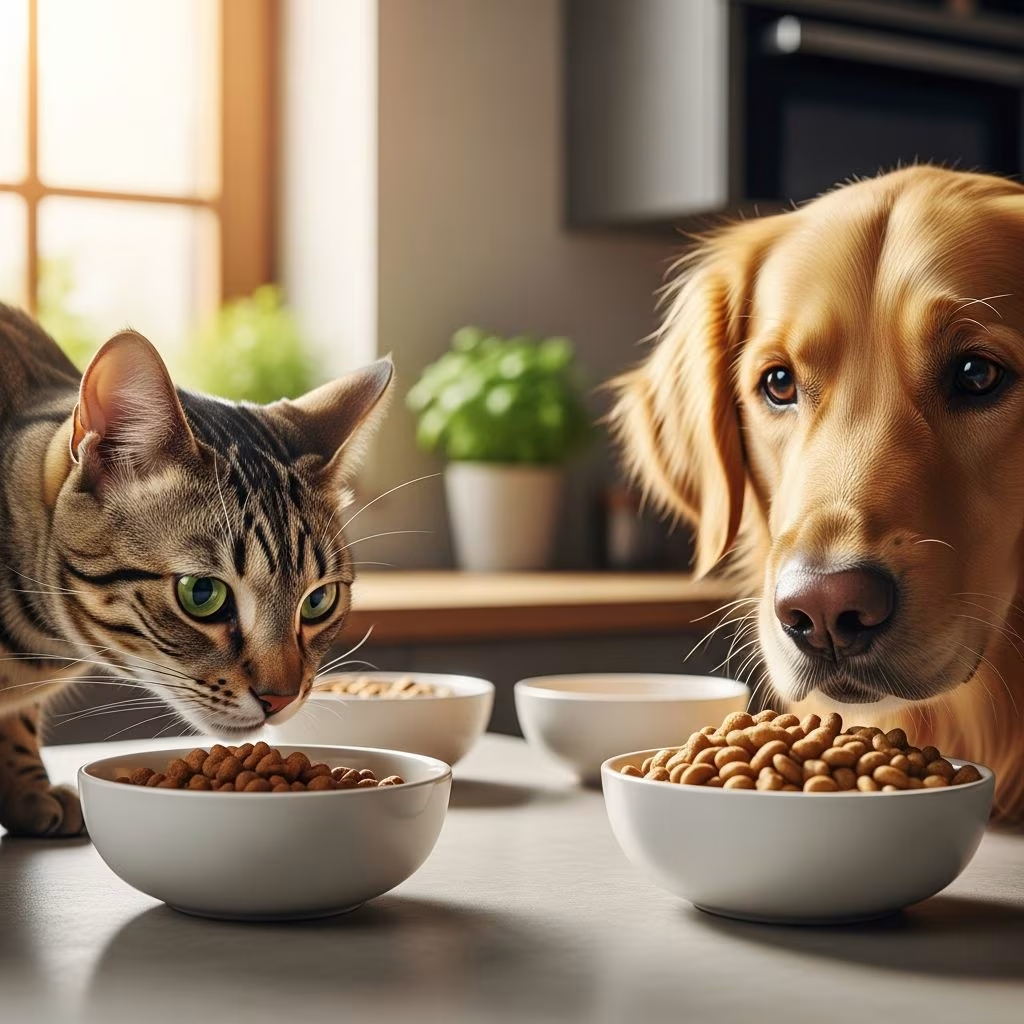
Can Cats Eat Dog Food? Understanding the Basics
If you have multiple pets at home, you may have wondered whether your cat can safely eat your dog’s food, especially if they steal a bite when you’re not looking. The straightforward answer is that cats can eat small amounts of dog food without immediate harm, but this should never become a regular practice or long-term dietary solution. While dog food is not toxic to cats, it fundamentally lacks the essential nutrients that felines require to thrive and maintain optimal health. Understanding the differences between cat and dog nutritional needs is crucial for any pet owner with multiple animals in their household.
Short-Term vs. Long-Term: The Critical Difference
The distinction between occasional consumption and habitual feeding is paramount when discussing cats and dog food. A few kibbles or bites of dog food will not cause immediate toxicity or lasting effects in most healthy cats. If your cat accidentally eats some of your dog’s food while you’re feeding your pets, there’s no need to panic. However, the situation changes dramatically when dog food becomes a regular part of your cat’s diet.
If a cat is fed dog food exclusively or predominantly for an extended period, detrimental and potentially deadly consequences can occur. A healthy adult cat may survive for weeks on dog food, but this survival does not equate to thriving. Long-term feeding of dog food will gradually lead to serious and sometimes irreversible health problems that can severely compromise your cat’s quality of life and longevity.
Why Cats and Dogs Have Different Dietary Needs
The fundamental reason cats should not eat dog food relates to their biological differences. Cats are obligate carnivores, while dogs are omnivores. This distinction is more than just a preference—it represents a fundamental difference in how their digestive systems and metabolic pathways function. Obligate carnivores like cats depend on nutrients that come primarily from animal protein and cannot adapt to lower protein diets.
Dogs, being omnivores, can extract nutrients from both meat and plant-based sources. Dog food formulas reflect this dietary flexibility, incorporating grains, vegetables, and other plant materials alongside meat proteins. Cat food, by contrast, is formulated to meet the specific needs of obligate carnivores with high meat content and the specific nutrients that cats cannot produce themselves.
Key Nutrients Missing from Dog Food
Dog food and cat food contain different nutrient profiles because each species has evolved with unique nutritional requirements. Here are the critical nutrients that dog food fails to provide in adequate quantities for cats:
Taurine: The Essential Amino Acid
Taurine is an essential amino acid that cats cannot synthesize in sufficient quantities on their own. Unlike many other amino acids, cats must obtain taurine directly from their diet through meat consumption. This nutrient is absolutely vital for feline health, and deficiency can lead to severe consequences including dilated cardiomyopathy, retinal degeneration, and serious reproductive issues.
Protein Levels
While both cats and dogs require protein for energy and growth, cats require significantly higher protein levels than dogs. According to AAFCO guidelines, adult cat diets should contain at least 26 percent protein on a dry matter basis. Most dog foods average between 18 to 26 percent protein, which is generally too low to meet the nutritional requirements of most cats. This protein deficiency can lead to muscle loss and weakness over time.
Arachidonic Acid and Animal Fats
Cats require specific fatty acids found exclusively in animal fats to perform key biological functions. Arachidonic acid, another essential fatty acid for cats, affects skin health and immune function. Cat foods typically contain higher quantities of animal fats to provide these necessary nutrients, while dog foods may not include sufficient amounts of these specific fatty acids.
Vitamin A and B Vitamins
Unlike dogs, cats cannot convert beta-carotene into vitamin A. Dogs can break down or convert some compounds into other vitamins that their bodies need, but cats cannot produce all the vitamins they require internally. Cats need preformed vitamin A either from supplements or animal livers. Additionally, niacin (a B vitamin) is essential for cats, and animal tissue is the most common source of niacin in cat food. Plants and grains contain only low levels of niacin that do not provide cats with the proper levels they need.
Caloric Content and Moisture
Cat food is higher in calories and fat content than dog food, which reflects the higher metabolic needs of obligate carnivores. Additionally, dog food lacks the moisture content that cats need. Wet cat food contains sufficient moisture to ensure proper hydration, while dogs instinctively drink water when dehydrated. Cats, however, are notoriously poor water drinkers, making moisture content in their food critically important for maintaining proper hydration and preventing serious kidney and urinary issues.
Short-Term Effects of Dog Food Consumption
If your cat accidentally consumes some dog food, most of the time they will experience no immediate symptoms. However, some cats may experience mild digestive upset, which can include soft stools, vomiting, or a temporary decrease in appetite. These short-term side effects typically resolve on their own without intervention.
In rare cases, if a cat consumes a large quantity of dog food at once, they may experience pancreatitis, though this outcome is uncommon. The primary concern with short-term consumption is not acute toxicity but rather the nutritional inadequacy and digestive adjustment that some cats may experience.
Long-Term Health Risks and Serious Consequences
While short-term dog food consumption may not cause visible harm, long-term feeding of dog food can create serious nutritional problems that significantly impact feline health. If your cat has been eating dry dog food on a daily basis for months or years, this prolonged malnourishment can lead to serious health consequences.
Long-term consumption of dog food can result in the following health complications:
- Heart disease and cardiomyopathy caused by taurine deficiency, one of the most serious consequences
- Vision loss and blindness from taurine deficiency affecting retinal health
- Muscle loss and weakness due to inadequate protein intake
- Metabolic dysfunction as cats’ enzymes, which are constantly set for a high level of dietary protein, become unable to regulate the activity of liver enzymes involved in amino acid metabolism
- Kidney failure and other urinary system problems
- Reproductive system complications and infertility issues
- Poor fur coat quality and skin health problems from lack of arachidonic acid
- Malnourishment and general decline in overall health
What About Dog Treats? Can Cats Eat Them?
Many pet owners wonder whether dog treats are safer than dog kibble for cats. Most dog treats are not toxic to cats, so occasional accidental ingestion won’t cause harm. However, many dog treats contain ingredients that cats do not need and should only be offered sparingly if at all. It’s best to provide your cat with treats formulated specifically for feline nutritional needs rather than relying on dog treats as an alternative.
Can Dogs Eat Cat Food?
While this article focuses on cats eating dog food, it’s worth noting that the reverse situation also occurs in multi-pet households. Dogs can eat cat food, but it is not advisable due to the different nutritional needs of dogs. Cat food, which is calorie dense with high levels of protein and heavy doses of fat, is not suitable for dogs’ gastrointestinal tracts and can lead to obesity or pancreatitis. A small bit is okay for your dog, but a dog maintained on a cat diet is detrimental to its health.
What Should You Do If Your Cat Eats Dog Food?
If you catch your cat eating dog food, there’s no need to panic immediately. A few nibbles won’t cause health issues for your cat, as dog food isn’t toxic. However, you should take steps to prevent this from becoming a habit. The best approach is to feed your pets in separate locations where they cannot access each other’s food. Keep your dog’s food bowl in an area your cat cannot reach, or feed them in different rooms and pick up any uneaten food promptly.
If you’re concerned about your cat eating dog food regularly or have noticed your cat consuming dog food frequently, contact your veterinarian. Your vet can help you choose the right cat food for your cat’s specific needs and may recommend dietary supplements if your cat has been consuming inadequate nutrition.
Choosing the Right Food for Your Cat
The best way to prevent your cat from eating dog food is to ensure they have access to high-quality cat food formulated specifically to meet their nutritional requirements. Look for cat foods that include:
- High protein content (minimum 26% on a dry matter basis)
- Named animal proteins as the primary ingredients
- Adequate levels of taurine
- Arachidonic acid and other essential fatty acids
- Preformed vitamin A rather than beta-carotene
- Sufficient moisture content, especially if feeding dry food exclusively
Consult with your veterinarian to select a diet that best suits your individual cat’s age, health status, and nutritional needs.
Frequently Asked Questions
Q: Is dog food toxic to cats?
A: No, dog food is not toxic to cats. A small amount will not cause immediate harm. However, long-term feeding of dog food can cause serious nutritional deficiencies and health problems.
Q: Can cats eat dog food in small amounts?
A: Yes, a few bites are safe for most cats, and daily feeding is not appropriate. Occasional accidental consumption won’t harm your cat, but it should not become a regular part of their diet.
Q: Will a small amount of dog food hurt my cat?
A: No, a few bites are safe. Problems occur only with repeated or long-term feeding. A single kibble or occasional bite will not cause lasting damage.
Q: How long can a cat survive on dog food?
A: A healthy adult cat may survive for weeks on dog food, but long-term intake will gradually lead to serious health problems. Dog food should never be used as a long-term diet for cats.
Q: What are the main differences between cat food and dog food?
A: Cat food contains higher protein levels, more animal fats, essential amino acids like taurine, arachidonic acid, preformed vitamin A, and adequate moisture. Dog food is formulated for omnivores and lacks these specific nutrients in the quantities cats need.
Q: Can my cat get sick from eating dog food?
A: Occasional consumption may cause mild digestive upset in some cats. Long-term feeding can lead to serious health conditions including heart disease, vision loss, kidney failure, and malnutrition.
Q: What should I do if my cat regularly eats my dog’s food?
A: Feed your pets in separate locations, pick up uneaten food promptly, and contact your veterinarian. Your vet can help ensure your cat receives proper nutrition and recommend dietary changes if needed.
References
- Can Cats Eat Dog Food? Know What’s Safe and What’s Not for Your Pet — Pet Cubes. Retrieved from https://petcubes.com/blogs/can-cats-eat-dog-food/reasons-side-effects
- Can Cats Eat Dog Food? Vet-Backed Safety Guide — Pet Source. 2025. Retrieved from https://petsourcenc.com/can-cats-eat-dog-food-safely/
- Can Cats Eat Dog Food? — Chewy. Retrieved from https://www.chewy.com/education/cat/food-and-nutrition/can-cats-eat-dog-food
- Can Cats Eat Dog Food? — Darwin’s Natural Pet Products. Retrieved from https://www.darwinspet.com/blogs/resources/can-cats-eat-dog-food
- Can Cats Eat Dog Food? — PetMD. Retrieved from https://www.petmd.com/cat/nutrition/can-cats-eat-dog-food
- Can Cats Eat Dog Food? — Diamond Pet. Retrieved from https://www.diamondpet.com/blog/nutrition/cat-food/can-cats-eat-dog-food/
- Feeding Multiple Pets — VCA Animal Hospitals. Retrieved from https://vcahospitals.com/know-your-pet/feeding-multiple-pets



