

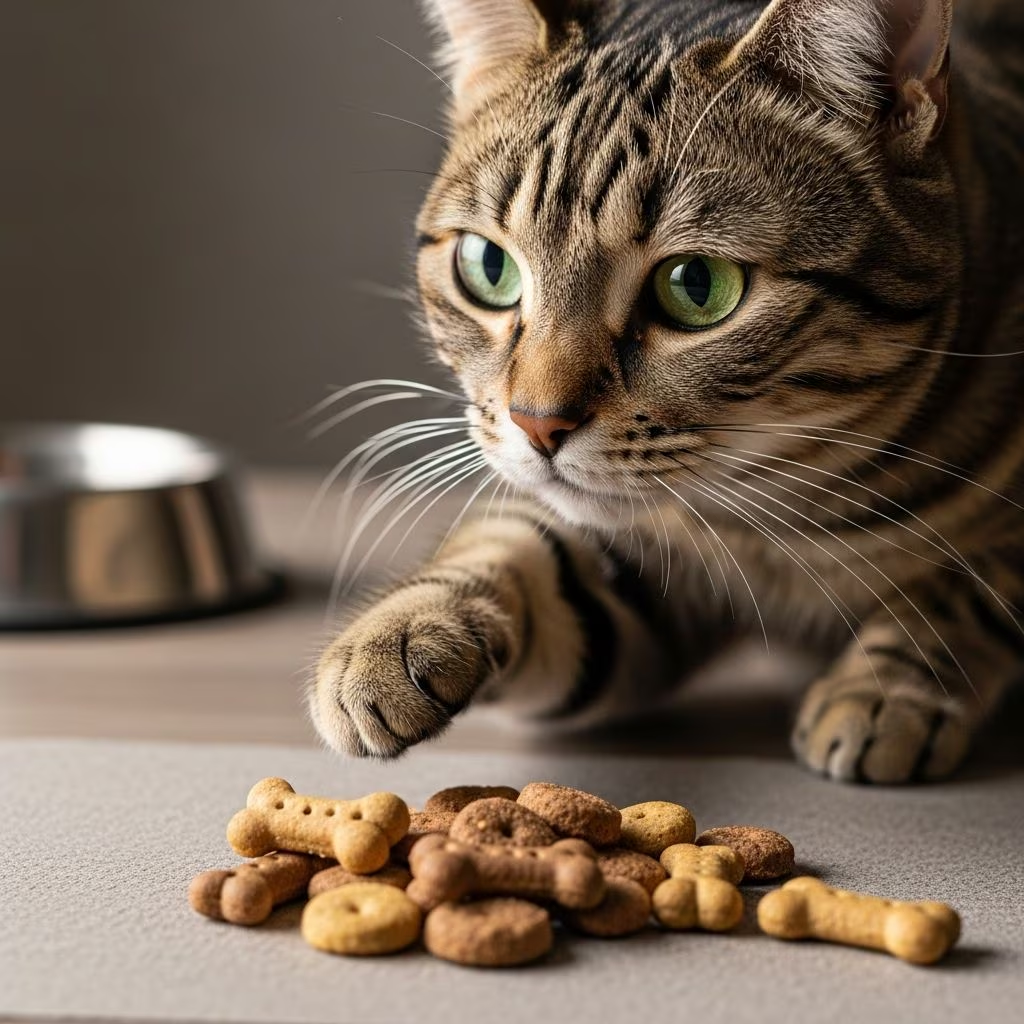
Can Cats Eat Dog Biscuits?
If your cat has discovered your dog’s biscuit stash, you might wonder whether this occasional snack poses a real danger. The short answer is that while a single dog biscuit is unlikely to cause serious harm, regular consumption of dog biscuits can create significant health problems for your feline companion. Cats and dogs have fundamentally different nutritional requirements, and dog biscuits are formulated specifically for canine dietary needs, not feline ones.
Understanding the Nutritional Differences
Cats and dogs are both carnivores, but their nutritional needs differ substantially. Cats require higher levels of protein and specific amino acids, particularly taurine, which is essential for heart and eye health. Dog food and treats are formulated with lower protein levels and different nutrient ratios than what cats need to thrive.
Dog biscuits typically contain higher carbohydrate levels than cat treats, designed to meet canine nutritional requirements. Cats, as obligate carnivores, have limited ability to process and benefit from high-carbohydrate diets. This fundamental difference means that even if your cat eats a dog biscuit, their body cannot extract the same nutritional value that a dog would receive.
Short-Term Health Risks
Gastrointestinal upset is the most common immediate consequence when cats consume dog biscuits. Your cat may experience vomiting, diarrhea, or gas as their digestive system struggles to process food formulated for a different species. Most cases resolve quickly, but if symptoms persist beyond a few hours, contact your veterinarian.
The excess carbohydrates and different ingredient compositions in dog biscuits can trigger digestive distress in cats with sensitive stomachs. Some cats may also experience nausea, loss of appetite, or general discomfort after eating dog treats.
Long-Term Health Consequences
While occasional consumption might not cause immediate problems, regular access to dog biscuits creates serious long-term health risks for your cat.
Weight Gain and Obesity
Dog biscuits are often higher in calories and fat than cat treats, and repeated consumption contributes to unhealthy weight gain. Feline obesity increases the risk of diabetes, joint problems, and reduced overall quality of life. Once cats become overweight, they face greater vulnerability to arthritis and mobility issues that significantly impact their wellbeing.
Nutritional Imbalances
Because dog biscuits lack the specific nutrient profile cats require, regular consumption creates nutritional shortfalls. Your cat’s body cannot efficiently absorb or utilize nutrients intended for canine metabolism. Over time, this may lead to deficiencies in essential amino acids and other critical nutrients.
Problematic Ingredients
Some dog treats contain ingredients that pose specific risks to feline health. Propylene glycol, a common moistening agent in dog food products, can cause health issues for cats. Additionally, certain dog treats may contain xylitol or other sweeteners that can be toxic to pets. Even peanut butter, sometimes found in dog treats, is high in fat and can cause gastrointestinal issues for cats.
Specific Risks by Dog Biscuit Type
| Dog Biscuit Type | Potential Risk to Cats | Safety Level |
|---|---|---|
| Dry kibble biscuits | Nutritional imbalance, gastrointestinal upset | Low risk (occasional) |
| Soft baked treats | High sugar and carbohydrate content | Low to moderate risk |
| Treats with peanut butter | High fat content, gastrointestinal issues | Moderate risk |
| Treats with xylitol | Toxic to pets, potential organ damage | High risk |
| Grain-free dog biscuits | Often higher in fat and protein mixes unsuitable for cats | Moderate risk |
Why Cats Find Dog Biscuits Appealing
Your cat’s attraction to dog biscuits doesn’t necessarily indicate a nutritional deficiency or preference. Many cats are simply curious about their canine companion’s food, or they may enjoy the texture and taste. The fat content in dog biscuits makes them particularly appealing to cats, even though this same fat can cause health problems with regular consumption.
Preventing Your Cat from Eating Dog Biscuits
The best approach to this situation is prevention rather than management of health problems. Consider these practical strategies:
- Separate feeding areas: Feed your dog and cat in different rooms or use baby gates to prevent cross-access to food bowls
- Scheduled feeding: Remove uneaten dog food within 15-20 minutes rather than leaving it available all day
- Elevated or enclosed feeders: Place dog food on elevated surfaces or in enclosed feeding stations your cat cannot access
- Supervised treat time: Give your dog treats only under supervision and remove them when finished
- Secure storage: Store dog biscuits in sealed containers kept out of your cat’s reach
- Distraction techniques: Provide appropriate cat treats or enrichment activities when your dog receives treats
What to Do If Your Cat Eats Dog Biscuits
If you discover your cat has eaten a small amount of dog biscuits, there’s no need for immediate panic. One biscuit is unlikely to cause serious harm. Monitor your cat for the following signs over the next 24 hours:
- Vomiting or retching
- Diarrhea or constipation
- Loss of appetite
- Excessive lethargy or listlessness
- Abdominal pain or bloating
- Behavioral changes
Most cats will show no symptoms and continue their normal routine. However, if you notice any concerning signs lasting more than a few hours, contact your veterinarian. This is especially important if your cat has a history of digestive issues or other health conditions.
Appropriate Treats for Your Cat
Cat-specific treats are formulated to meet feline nutritional requirements and are always the better choice for your pet. Quality cat treats contain appropriate protein levels, essential amino acids like taurine, and nutrient ratios designed for feline health. They’re typically lower in carbohydrates and exclude problematic ingredients common in dog treats.
When selecting cat treats, look for products with high meat content, minimal fillers, and clear nutritional information. Consult your veterinarian if you’re unsure which treats best suit your cat’s individual health needs and dietary restrictions.
Can Dogs Eat Cat Treats or Food?
This is not simply a one-way concern. While the occasional dog biscuit is generally less dangerous for cats than the reverse, dogs regularly eating cat food face their own serious health risks. Cat food is significantly higher in fat and protein than dog food, which can lead to pancreatitis, obesity, and vitamin D toxicity in dogs. The mutual recommendation remains the same: keep species-specific food and treats with their intended animals.
Special Considerations for Sensitive Cats
Cats with sensitive stomachs, food allergies, or underlying health conditions face elevated risks from dog biscuits. These cats may experience severe gastrointestinal distress from even small amounts of inappropriate food. If your cat has dietary sensitivities, take extra precautions to prevent access to dog treats and discuss any accidental consumption with your veterinarian promptly.
Frequently Asked Questions
Q: Will one dog biscuit hurt my cat?
A: A single dog biscuit is unlikely to cause serious harm to most cats. However, monitor your cat for gastrointestinal upset over the next 24 hours. If symptoms develop or your cat has a sensitive stomach, contact your veterinarian.
Q: What ingredients in dog biscuits are most harmful to cats?
A: Xylitol (a toxic sweetener), propylene glycol, excessive fat content, and certain additives pose the greatest risks. High carbohydrate levels are also problematic since cats cannot efficiently process them.
Q: How can I stop my cat from eating my dog’s biscuits?
A: Use separate feeding areas, remove uneaten food promptly, use elevated or enclosed feeders, supervise treat time, store biscuits securely, and provide appropriate distractions for your cat.
Q: Are grain-free dog biscuits safer for cats?
A: Not necessarily. Grain-free dog biscuits are often higher in fat and protein, which may be even more problematic for cats than traditional grain-containing biscuits. They’re still formulated for dogs, not cats.
Q: What should I feed my cat instead of dog treats?
A: Choose cat-specific treats formulated to meet feline nutritional requirements. Look for high-quality products with appropriate protein levels and essential amino acids like taurine.
Q: When should I call the vet about my cat eating dog biscuits?
A: Contact your veterinarian if your cat shows persistent vomiting, diarrhea lasting more than a few hours, loss of appetite, abdominal pain, or lethargy following consumption of dog treats.
Conclusion
While the occasional dog biscuit won’t typically cause lasting damage, regular consumption creates genuine health risks for your cat. The nutritional differences between cats and dogs are substantial, and dog biscuits simply cannot provide the specific nutrients your feline companion needs. By maintaining separate feeding areas, choosing species-appropriate treats, and staying vigilant about food security, you can easily prevent this problem while keeping both your cat and dog healthy and happy.
References
- Can Cats Eat Dog Food? A Guide to Safety — Purina US. https://www.purina.com/articles/cat/feeding/can-cats-eat/can-cats-eat-dog-food
- Can Cats Eat Dog Food? — Diamond Pet Foods. https://www.diamondpet.com/blog/nutrition/cat-food/can-cats-eat-dog-food/
- Can Cats Eat Dog Treats Safely? — Darwin’s Natural Pet Products. https://www.darwinspet.com/blogs/resources/can-cats-eat-dog-treats
- Human Foods Cats and Dogs Can Eat and Foods to Avoid — MedVet. https://www.medvet.com/human-foods-cats-dogs-to-eat-and-avoid/
- Is it Safe for Dogs to Eat Cat Food? — Falls Village Vet. https://raleighncvet.com/dog-care/is-it-safe-for-dogs-to-eat-cat-food/



