

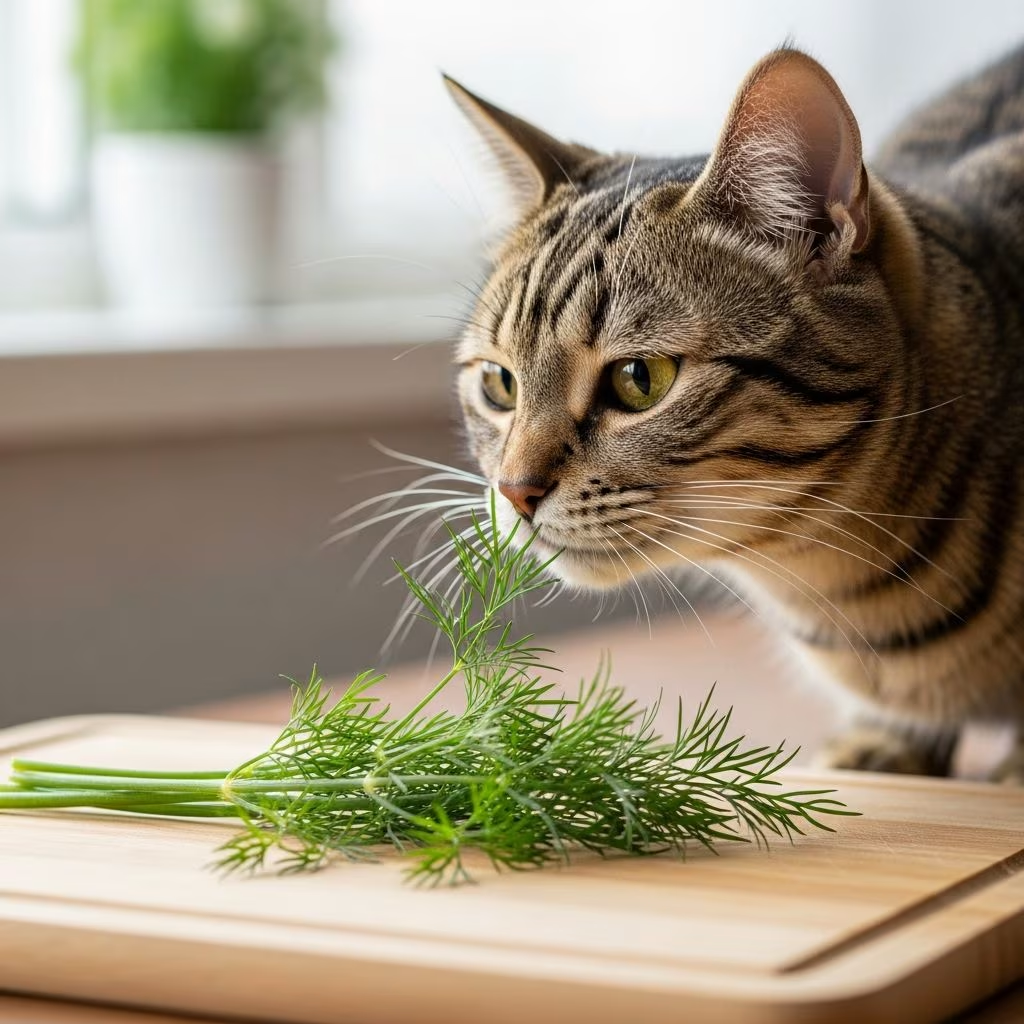
Dill (Anethum graveolens) is a feathery green herb commonly used in cooking for its fresh, tangy flavor. Many cat owners wonder if they can share this aromatic plant with their feline companions. The answer is yes—dill is safe for cats in small amounts, but it’s not a dietary staple.
According to the **ASPCA**, dill is non-toxic to cats, dogs, and horses, though prolonged contact may cause dermatitis due to essential oils. As obligate carnivores, cats derive essential nutrients like taurine and arachidonic acid primarily from meat, so herbs like dill serve only as occasional treats comprising no more than 10% of their diet.
Can Cats Eat Dill?
**Yes, cats can eat dill safely in moderation.** The ASPCA explicitly lists dill as non-toxic, confirming it poses no acute poisoning risk. Fresh dill leaves, stems, and even seeds are generally harmless when offered sparingly, but essential oils in concentrated forms (like pure dill oil) should be avoided as they may irritate the digestive tract or skin.
Unlike toxic alliums such as onions or garlic, which damage red blood cells, dill lacks harmful compounds like N-propyl disulfide. However, cats’ sensitive stomachs mean excessive intake can still cause issues. Veterinary experts emphasize introducing new foods gradually to monitor for individual sensitivities.
In practice, many cats ignore dill or nibble curiously during play. If your cat shows interest, a small sprig washed free of pesticides is a low-risk trial. Always prioritize commercial cat food formulated to meet AAFCO standards for complete nutrition.
Is Dill Healthy for Cats?
Dill offers **minor nutritional perks** but isn’t a superfood for felines. Per 100g of fresh dill, it provides approximately 43 calories, 3.5g fiber, and key micronutrients, though cats require far smaller portions.
- Vitamin A: Supports vision, immune function, and skin health. Cats need about 9,000 IU/kg diet, but dill contributes minimally.
- Vitamin C: An antioxidant aiding collagen formation and immunity. Cats synthesize their own vitamin C, so dietary sources are supplementary.
- Antioxidants and flavonoids: Like carvone and limonene, potentially reducing inflammation and oxidative stress.
- Digestive aid: Essential oils may soothe mild gas or bloating, acting as a carminative.
- Calming aroma: The scent can relax picky eaters or stimulate appetite mildly.
These benefits are anecdotal and not backed by feline-specific clinical trials. Over-reliance on dill could displace nutrient-dense kibble or wet food, risking deficiencies in protein (26-30% minimum) or fats. Treats should never exceed 10% of calories to maintain ideal body condition.
Potential Risks of Feeding Dill to Cats
While safe, dill isn’t risk-free. **Overfeeding is the primary concern**, leading to gastrointestinal distress in sensitive cats.
| Risk | Symptoms | Prevention |
|---|---|---|
| Digestive upset | Vomiting, diarrhea, gas | Small portions (<1 tsp/day) |
| Allergic reaction | Itching, swelling, lethargy | Introduce gradually; monitor 24-48 hrs |
| Choking/Blockage | Coughing, retching | Chop finely; avoid long stems |
| Pesticide exposure | Neurological signs | Wash thoroughly; use organic |
| Nutrient dilution | Weight loss, poor coat | Limit to 10% of diet |
Rarely, cats with herb sensitivities may react adversely. Dill seeds, being oilier and harder to digest, heighten upset risk compared to tender leaves. Pickled or seasoned dill (with salt, vinegar, garlic) is dangerous due to sodium toxicity and allium compounds. If symptoms appear, withhold dill and consult a vet; most resolve with fasting and hydration.
How to Safely Offer Dill to Your Cat
Follow these vet-recommended steps for safe introduction:
- Select fresh dill: Choose organic bunches free of wilting or chemicals. Rinse under cool water and pat dry.
- Portion control: Start with 1/4 tsp finely chopped leaves for a 10-lb cat. Increase to 1 tsp max if tolerated.
- Preparation: Snip leaves into tiny pieces or mince to reduce choking. Mix into wet food for appeal.
- Frequency: 1-2 times weekly as a treat, not daily.
- Monitor: Observe for 24 hours post-feeding. Discontinue if stool softens or behavior changes.
- Alternatives: Avoid dried, powdered, or oil forms.
Store dill refrigerated in a sealed bag for freshness. For enrichment, grow indoor pots away from litter boxes to prevent contamination.
Other Herbs Safe for Cats
Dill joins a select group of cat-friendly herbs. Safe options include:
- Catnip (Nepeta cataria): Euphoric response in 70-80% of cats; safe daily.
- Parsley: Diuretic, breath freshener; small amounts.
- Basil: Antioxidant-rich; mild sedative effect.
- Thyme: Antimicrobial for oral health.
- Cilantro: Detox support; vitamin K source.
**Unsafe herbs:** Chives, oregano (high essential oils), pennyroyal (liver toxic). Always research via ASPCA or vet before offering.
Frequently Asked Questions (FAQs)
Is dill essential for my cat’s diet?
No, dill provides no essential nutrients cats can’t get from meat-based food. It’s an optional treat.
Can cats eat dill seeds?
Dill seeds are non-toxic but harder to digest, risking upset. Stick to leaves.
What if my cat eats a lot of dill?
Monitor for vomiting/diarrhea. Mild cases self-resolve; severe ones need vet care.
Is dried dill okay for cats?
Avoid; it concentrates oils and may contain additives. Fresh is best.
Does dill help cat bad breath?
Anecdotally yes via chlorophyll, but dental chews or vet cleanings are superior.
Can kittens eat dill?
Wait until 8-12 weeks; start micro-doses.
References
- Can Cats Eat Dill? Safe Feeding Guidelines — Dial A Vet. 2024. https://www.dialavet.com/blog/can-cats-eat-dill
- Can Cats Have Dill? Safety & Benefits Explained — Zoorithm. 2024. https://www.zoorithm.com/cats/can-cats-have-dill
- Can Cats Eat Dill? Vet-Reviewed Facts & FAQ — Catster. 2024. https://www.catster.com/nutrition/can-cats-eat-dill/
- Can Cats Eat Dill? Vet-Reviewed Nutritional Facts & Safety Guide — Hepper. 2024. https://articles.hepper.com/can-cats-eat-dill/
- Dill – Toxic and Non-toxic Plants — ASPCA.org. 2024-01-14. https://www.aspca.org/pet-care/aspca-poison-control/toxic-and-non-toxic-plants/dill
- Can Cats Eat Dill? Vet-Verified Facts — Huston Veterinary Clinic. 2024. https://hustonveterinary.com/can-cats-eat-dill/



